AI-Powered Safety Tech Reshapes Fleet Operations as New Regulations Loom
Fleet operators embrace AI-driven safety platforms while preparing for FMCSA's 2026 regulatory changes, linking safety technology directly to profitability.

AI Safety Technology Gains Momentum Across Fleet Sectors
Fleet operators are rapidly adopting artificial intelligence-powered safety platforms as the technology proves its value in both accident prevention and operational efficiency. The partnership between Motive and GEICO represents a significant milestone in this evolution, leveraging AI to create comprehensive fleet safety programs that go beyond traditional monitoring approaches.
Meanwhile, electric fleet operator BillionE Mobility has deployed Netradyne's AI-powered platform to strengthen safety across its vehicle operations. This implementation demonstrates how AI safety technology is becoming essential for specialized fleet segments, particularly as electric vehicle adoption accelerates and operators seek to optimize both safety performance and operational costs.
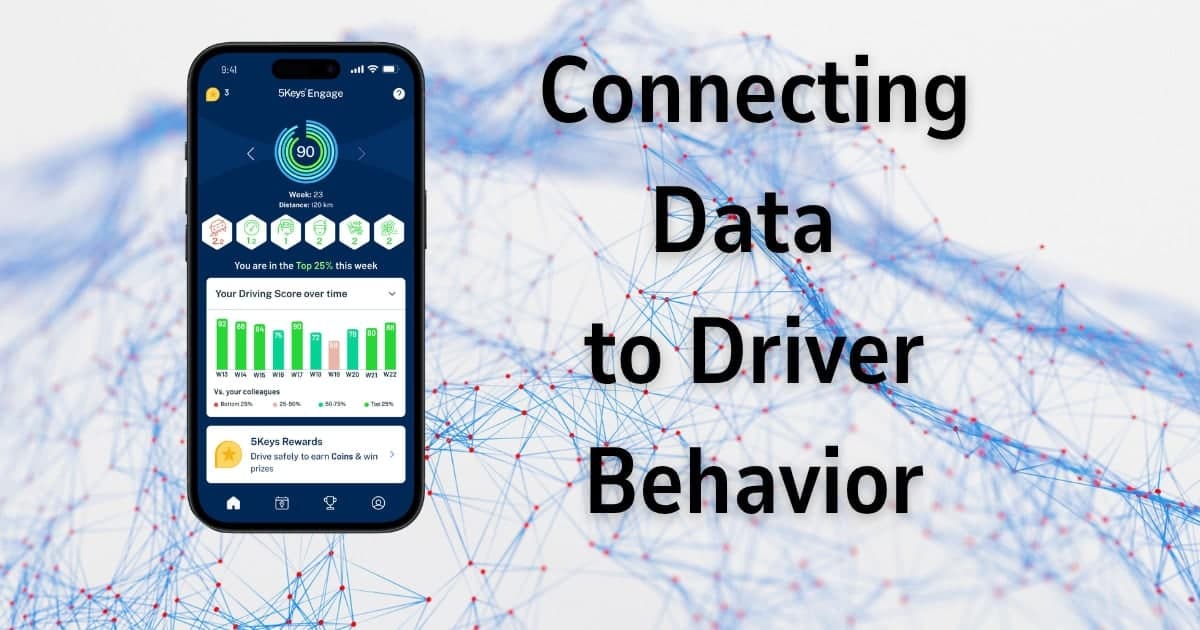
The integration of AI in fleet safety systems is transforming how operators approach risk management. These platforms use machine learning algorithms to analyze driver behavior patterns, predict potential incidents, and provide real-time coaching that significantly reduces accident rates. For fleet managers, this represents a shift from reactive safety management to proactive risk prevention.
Regulatory Landscape Shifts with FMCSA's 2026 Proposals
The Federal Motor Carrier Safety Administration's proposed safety regulations for 2026 are creating new compliance challenges that fleet operators must navigate carefully. These regulatory changes are expected to impose stricter safety requirements while potentially affecting operational flexibility, making advanced safety technology even more critical for maintaining compliance.
Adding complexity to the regulatory environment, safety advocacy groups are actively opposing proposals to extend truckers' workdays, citing concerns about driver fatigue and road safety. This opposition highlights the ongoing tension between operational efficiency demands and safety imperatives that fleet managers must balance daily.
Fleet operators should prepare for these regulatory changes by investing in technology that not only ensures current compliance but also provides the flexibility to adapt to evolving requirements. The integration of AI-powered safety systems positions fleets to meet stricter safety standards while maintaining operational efficiency.
Direct Link Between Safety Technology and Fleet Profitability
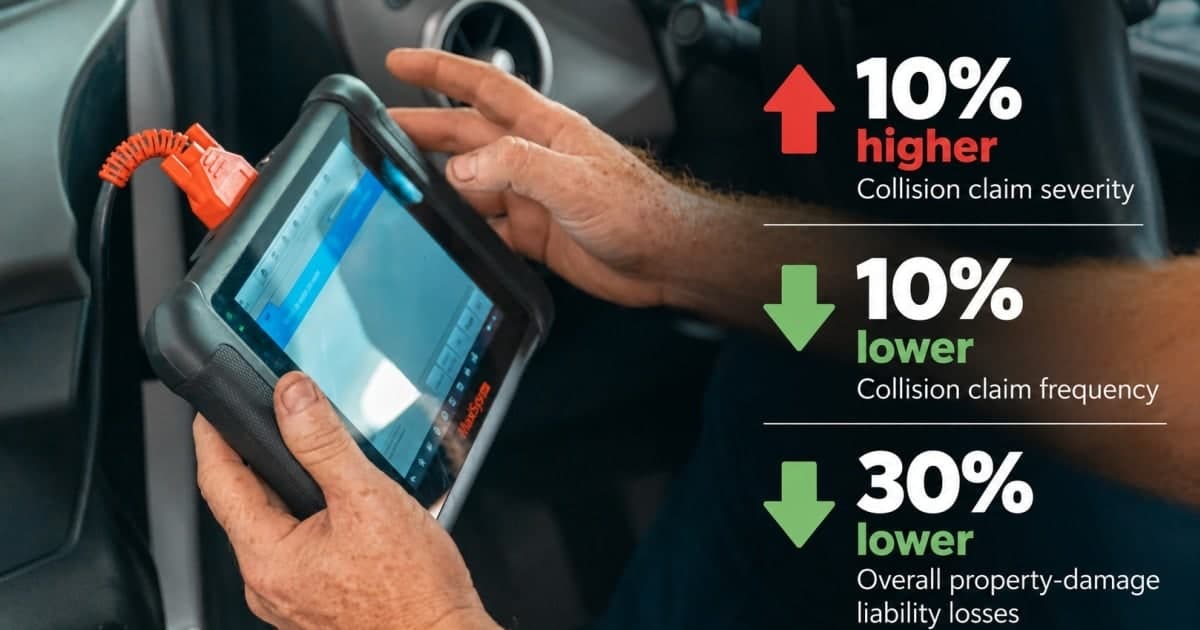
Recent industry analysis reveals that safety technology is now directly tied to fleet profitability, fundamentally changing how operators evaluate their technology investments. Advanced telematics and AI-powered safety platforms are no longer viewed as cost centers but as profit drivers that deliver measurable returns through reduced insurance premiums, lower accident costs, and improved operational efficiency.
During Road Safety Week, fleet management companies like Northgate are highlighting the tangible benefits of telematics systems, demonstrating how real-time data collection and analysis translate into concrete financial advantages. These systems provide fleet managers with actionable insights that reduce fuel consumption, optimize route planning, and minimize vehicle downtime.
The business case for safety technology has become increasingly compelling as insurance companies offer premium reductions for fleets that demonstrate consistent safety performance through technology platforms. This creates a direct financial incentive for operators to invest in comprehensive safety systems, making technology adoption a strategic business decision rather than a regulatory compliance requirement.
Strategic Implications for Fleet Operations
The convergence of AI safety technology, evolving regulations, and proven profitability benefits is reshaping fleet management strategies across all sectors. Fleet managers must now consider safety technology as a core component of their operational infrastructure, not an optional enhancement.
For fleet operators evaluating their technology roadmaps, the current landscape presents both opportunities and imperatives. Companies like Chevron are demonstrating how integrated solutions that combine fuel management, lubricant optimization, and safety technology create synergistic benefits that enhance overall fleet performance.
The success of implementations across diverse fleet types—from traditional commercial operations to specialized electric vehicle fleets—proves that AI-powered safety technology scales effectively across different operational models. This scalability ensures that investments in safety technology remain valuable as fleet compositions and operational requirements evolve.
Fleet managers should prioritize safety technology platforms that offer comprehensive data integration, predictive analytics capabilities, and demonstrated ROI metrics. The ability to quantify safety improvements and their financial impact has become essential for justifying technology investments and securing organizational support for ongoing safety initiatives.