Amazon Opens LTL Service Beyond Its Own Freight
Amazon is expanding its LTL service to all businesses, offering palletized freight moves beyond Amazon facilities while analysts debate how much share it can take from legacy carriers.
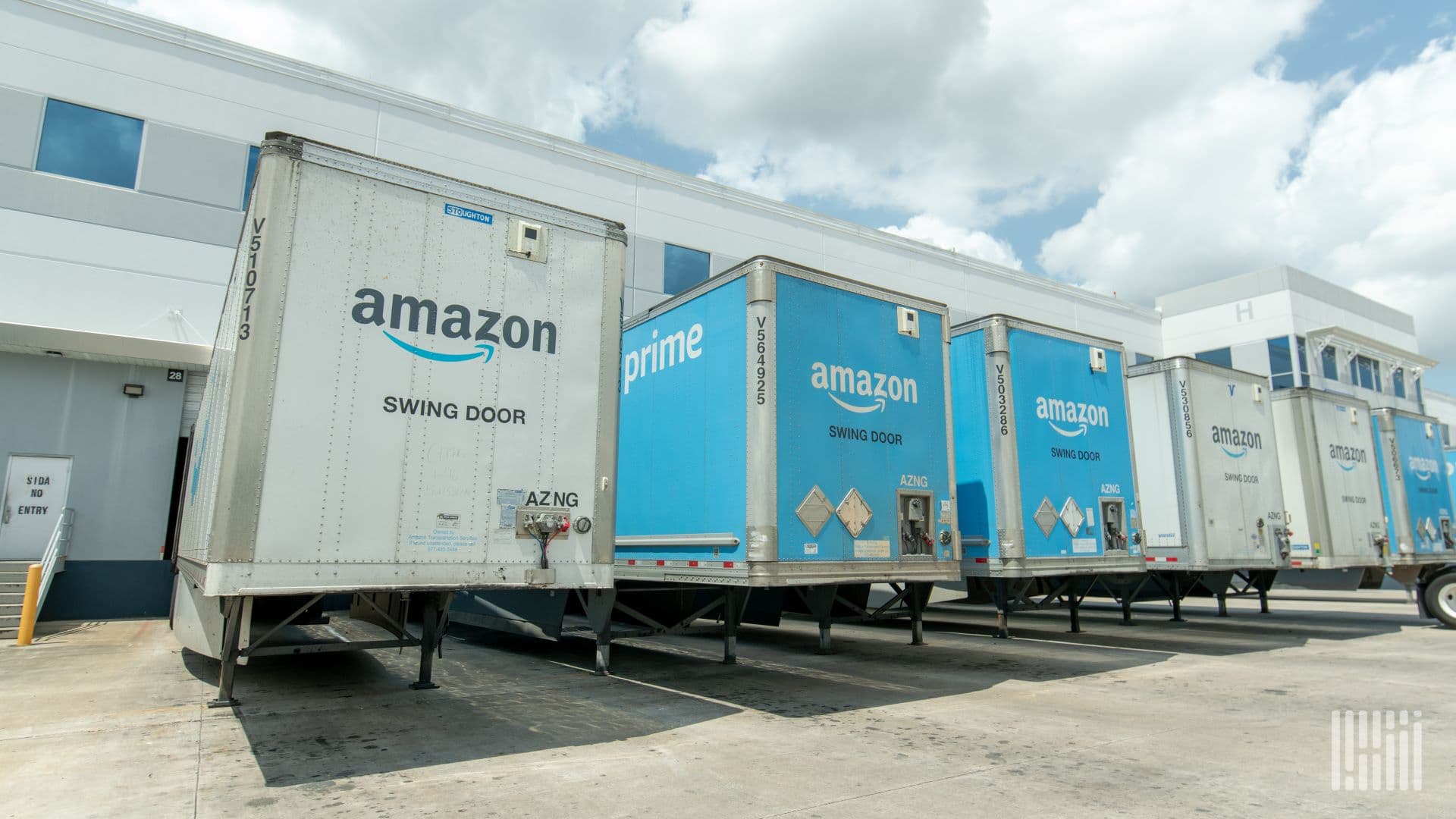
Amazon Moves From Inbound LTL to Open Market
Amazon is opening its less-than-truckload service to all businesses, expanding a partial-load network that had been focused mainly on inbound freight moving into Amazon facilities. The new service covers palletized shipments to third-party warehouses, distribution centers, retail stores, and other business destinations.
The company is positioning the offer as a lower-cost LTL option for shipments of one to six pallets, or roughly 150 to 15,000 pounds. Amazon says customers can use next-day live pickup, same-day pickup through drop trailers, standing daily pickups for higher-volume shippers, real-time GPS tracking, appointment scheduling, electronic proof of delivery, and sensor-equipped trailers.
Analysts See a Limited First Step
The move sounds like a direct challenge to legacy LTL carriers, but analysts are treating it as more targeted than a full national carrier launch. FreightWaves reported that Amazon's footprint appears closer to an asset-light or brokered model in many lanes, with less control than an established hub-and-spoke LTL network.
Amazon still brings scale. Its freight operation includes a large trailer pool, intermodal capacity, and customer-facing technology that many small shippers already use. But the early service appears most likely to compete in economy lanes and selected markets rather than immediately displace national LTL carriers.
Why Fleets Should Care
For shipper fleets and private fleets that buy LTL capacity, the rollout adds another option at a time when service quality, visibility, and pickup flexibility are still uneven across the market. For carriers, it is another sign that large retailers are turning internal logistics networks into external products.
The near-term effect may be modest. The longer-term question is whether Amazon keeps adding density, terminals, and service commitments until the LTL offer starts looking less like overflow capacity and more like a standing competitor.