Cargo Crime Gets Smarter: Double Brokering and Identity Fraud Are Now the Standard Threat
Strategic cargo theft -- built on fake carrier identities, compromised load boards, and cybercrime -- now accounts for roughly a third of all cargo crime incidents, forcing fleet operators and brokers to rethink verification from the ground up.
The Shift From Smash-and-Grab to Sophisticated Fraud
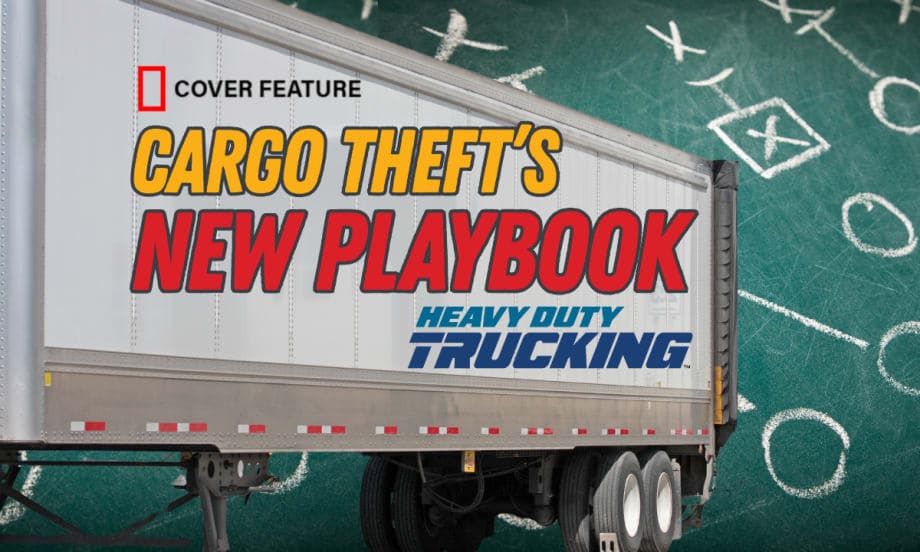
Cargo theft has moved well past the roadside smash-and-grab. Strategic theft now accounts for roughly one-third of all cargo crime, according to industry reports, and the incidents involve levels of premeditation that traditional physical security measures weren't designed to catch. Criminals are using fake carrier identities, compromised load boards, and cybertools to redirect freight before a shipment ever gets on a truck.
The shift matters for fleet operators because exposure isn't just about physical cargo security anymore. Carriers whose credentials are compromised can find themselves implicated in theft operations they had no part in -- creating financial and reputational liability on top of any direct loss.
Double Brokering Is the Core Mechanism
Double brokering has become the central tool in the modern cargo theft playbook. Fraudsters create fake carrier profiles on load boards, accept shipments, and then either steal the cargo outright or pass it through accomplices while collecting payment. The fraudulent profiles are often built on stolen credentials from legitimate carriers, making initial vetting difficult -- the name, DOT number, and insurance documentation all check out.
The cyber dimension has expanded alongside the fraud dimension. Criminal groups are hacking into transportation management systems to monitor high-value shipment schedules, stealing carrier login credentials, and intercepting broker communications to identify targets. High-value lanes -- electronics, pharmaceuticals, consumer goods -- attract the most sophisticated operations.
Three Risks Fleet Operators Need to Manage
Fleet operators face cargo theft exposure across three distinct vectors. First, identity theft of carrier credentials can allow criminals to impersonate a legitimate carrier without the carrier's knowledge, creating liability that takes significant time and legal effort to untangle. Second, load board fraud can ensnare carriers who unknowingly pick up freight that's already been double-brokered through a fraudulent chain. Third, cyber vulnerabilities in fleet management systems -- particularly systems with weak authentication or legacy integrations -- give criminals a window into shipment planning.
The operational response requires tightening verification at multiple points: enhanced carrier vetting before booking, real-time shipment monitoring, and tighter controls on who has access to TMS credentials and communications. Most of the freight industry's standard verification processes were built for a simpler threat environment -- they weren't designed to catch a well-constructed fake carrier identity.
Insurance and Operations Costs Are Rising
The financial impact of strategic cargo theft runs beyond the value of stolen freight. Carriers and brokers facing theft incidents are seeing higher insurance premiums, lost customer contracts, and potential liability claims from shippers. The compliance burden of enhanced verification adds overhead that falls disproportionately on smaller brokers and carriers who lack dedicated security resources.
The freight industry is investing in technology solutions -- better identity verification tools, real-time shipment visibility, and AI-assisted anomaly detection on load boards -- but criminal methods are evolving in parallel. The gap between sophisticated fraud operations and standard industry security practices remains wide, and closing it will require sustained investment across carrier, broker, and shipper communities.