Electric Yard Tractors Move Past Pilot Stage
New NACFE research covered by Heavy Duty Trucking found more than half of surveyed fleets had moved electric terminal tractors beyond pilots.
Cost Savings Lead The Case
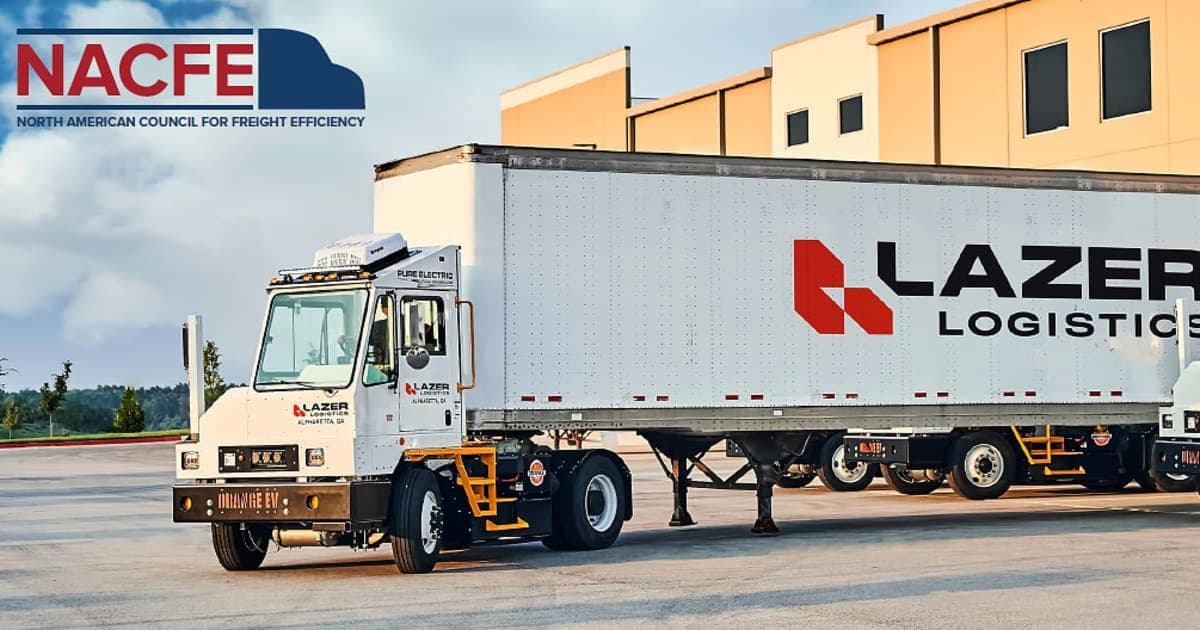
Electric terminal tractors are moving beyond demonstration projects in one of the Class 8 duty cycles best suited to battery-electric equipment, according to new NACFE research covered by Heavy Duty Trucking.
The North American Council for Freight Efficiency found that 76% of surveyed fleet operators reported at least moderate operating-cost savings from electric terminal tractors compared with diesel models. More than half, 54%, said they had moved beyond a pilot into partial deployment or full standardization.
The Yard Is A Controlled Test Bed
The application works because terminal tractors usually stay inside one yard or distribution center, follow repetitive duty cycles and return regularly to a central parking area. That gives fleets more control over charging and range than they have with over-the-road trucks.
NACFE surveyed 62 members of its fleet and industry-partner network, including 44 fleet operators and 18 industry partners. Among fleet operators, 58% either adopted electric terminal tractors before adding any other battery-electric vehicle or used them as their only battery-electric equipment.
Still A Site-Specific Decision
Direct financial benefit was the most commonly cited reason for adoption, selected by 60% of fleet operators. Corporate sustainability goals followed at 57%, suggesting the business case has started to move from emissions-only messaging into operating math.
NACFE also noted limits. The sample was small and drawn from organizations already connected to the topic, and Orange EV supported the research while NACFE said the manufacturer did not write the report. For fleets, the practical test remains local: daily duty cycle, site control, charging access, capital, incentives, maintenance support and whether the yard is predictable enough for electrification to pay back.