Fleet Industry Faces Fuel Price Surge Amid Tech Innovation Push
Rising diesel costs from Middle East conflicts squeeze carriers already battling weak freight rates, while industry accelerates adoption of AI-powered fleet management solutions.
Fuel Price Volatility Hits Already-Strained Carriers
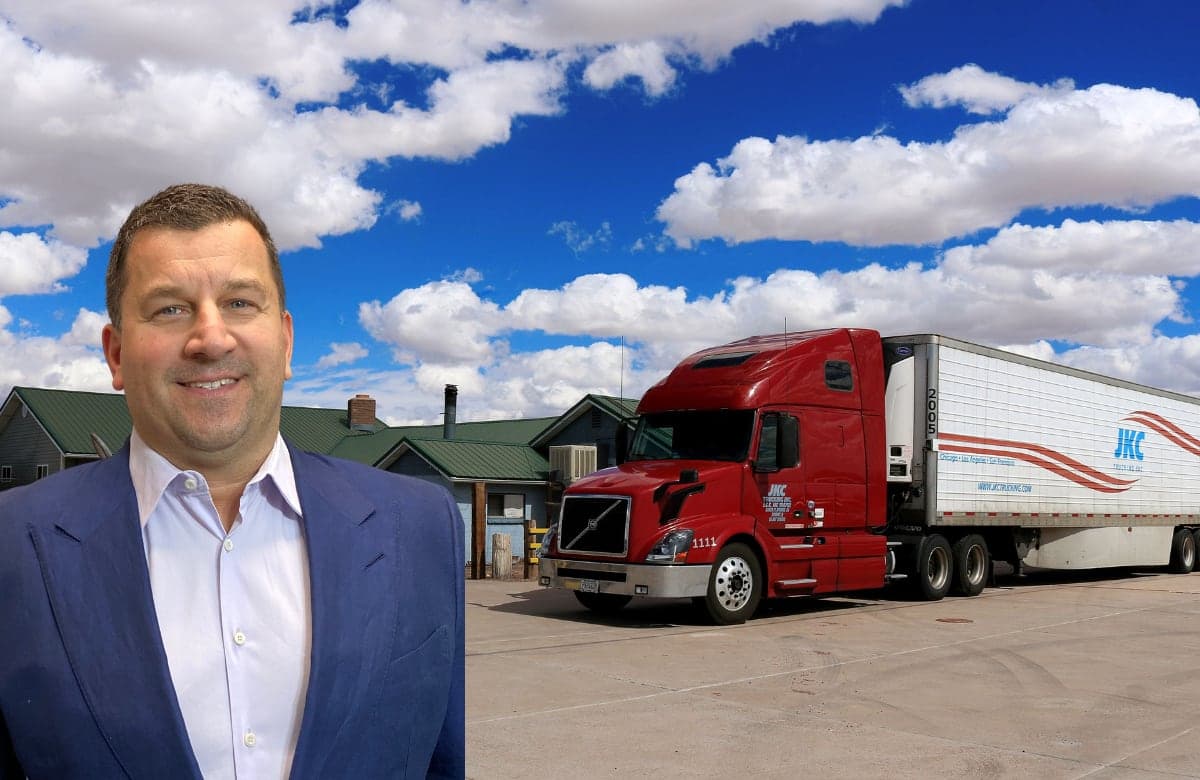
Fleet operators are grappling with a sharp spike in diesel prices tied to escalating Middle East conflicts, adding pressure to an industry already struggling with depressed freight rates. Mike Kucharski, vice president of refrigerated carrier JKC Trucking, warns that these fuel price jumps are hitting carriers fast and hard, creating additional financial strain for companies operating on thin margins.
The timing couldn't be worse for trucking companies. With freight rates remaining weak throughout early 2026, carriers have limited ability to pass fuel cost increases through to customers. This price squeeze is forcing fleet managers to look more critically at fuel management strategies and operational efficiency tools that can help offset rising costs.
Industry experts note that fuel typically represents 20-30% of total operating costs for long-haul carriers, making price volatility a critical concern for fleet profitability. The current geopolitical instability suggests these elevated fuel costs may persist, requiring fleets to develop more sophisticated hedging and management strategies.
AI and Technology Reshape Fleet Operations
Amid these cost pressures, the fleet industry is experiencing a technological revolution driven by artificial intelligence and integrated platforms. Geotab CEO Neil Cawse emphasizes that fleets must "adapt or die" as AI rapidly reinvents fleet management practices, fundamentally changing how operators approach everything from route optimization to predictive maintenance.
The shift toward AI-powered solutions is evident across multiple fleet management categories. Companies like Samsara and Geotab are leveraging machine learning to provide deeper insights into vehicle performance and driver behavior, while platforms such as Fleetio, Proaction, and TMT compete to become the operational backbone for fleet managers seeking integrated workflow solutions.
Maintenance management represents a particularly active area of innovation. Fleetio and Motive recently announced a new fleet maintenance and optimization platform, while companies like Proaction are gaining traction with their "System of Action" approach that unifies inspections, service management, and TCO accounting into a single integrated layer. These platforms increasingly integrate with existing telematics providers like Samsara and Geotab, creating more comprehensive operational ecosystems.
Technology Accessibility for Smaller Operators
A significant trend emerging in 2026 is the democratization of enterprise-level fleet technology for smaller operators. Historically, advanced fleet management capabilities were primarily available to large carriers with substantial IT budgets. However, new solutions are making big-fleet functionality accessible to mid-market and smaller operations.
Mobile technology is playing a crucial role in this accessibility shift. PeopleNet has introduced a fleet management app specifically designed for iPad, while ARI has expanded mobile capabilities for their fleet management platform. These mobile-first approaches reduce implementation complexity and costs, making advanced tools viable for smaller fleets.
The integration trend is also benefiting smaller operators. Platforms like Proaction's Explore tool, which turns fleet spreadsheets into dashboards via plain-English queries, exemplify how AI-powered solutions can provide sophisticated analytics without requiring extensive technical expertise. Similarly, companies like WebFleetLog are combining fuel and fleet management into unified platforms that simplify operations for resource-constrained fleets.
Industry Education and Sustainability Focus
As technology advances, the industry is emphasizing education and sustainability initiatives. Multiple fleet management seminars and exclusive events are being organized to help operators navigate the rapidly evolving landscape. Heavy Duty Trucking is actively seeking nominations for their Top Green Fleets of 2026 awards, highlighting the industry's growing focus on environmental sustainability.
The emphasis on green fleet operations reflects both regulatory pressures and customer demands for more sustainable transportation solutions. Fleet managers are increasingly evaluating technologies not just for operational efficiency, but for their potential to reduce emissions and environmental impact. This dual focus on efficiency and sustainability is driving adoption of integrated platforms that can optimize routes, reduce fuel consumption, and track environmental metrics in real-time.
Looking ahead, the combination of economic pressures from volatile fuel costs and accelerating technology adoption suggests 2026 will be a pivotal year for fleet operations. Companies that successfully leverage AI-powered tools and integrated platforms while managing fuel cost volatility are likely to emerge stronger, while those that fail to adapt may struggle to remain competitive in an increasingly sophisticated market.