Fleet Industry Faces Market Turbulence as Carriers Exit, Fraud Evolves
Rising carrier exits and evolving freight fraud present new challenges while FedEx Freight pursues LTL growth and Uber expands carrier partnerships.
Carrier Market Becomes 'Unsustainable' as Exits Climb
The trucking industry is experiencing a wave of carrier exits as market conditions deteriorate to what industry experts are calling 'unsustainable' levels. The trend reflects broader economic pressures facing fleet operators, from rising operational costs to compressed profit margins in an increasingly competitive landscape.
This market consolidation is creating both challenges and opportunities for remaining carriers. Larger fleets with stronger balance sheets are positioning themselves to capture market share from departed competitors, while smaller operators face difficult decisions about their long-term viability. Fleet managers are closely monitoring these developments as they impact capacity availability and pricing strategies.
The exits are particularly pronounced among smaller carriers who lack the financial reserves to weather extended periods of reduced freight demand and elevated operating costs. This dynamic is reshaping the competitive landscape and forcing fleet operators to reassess their strategic positioning.
FedEx Freight Targets LTL Growth as Independent Entity
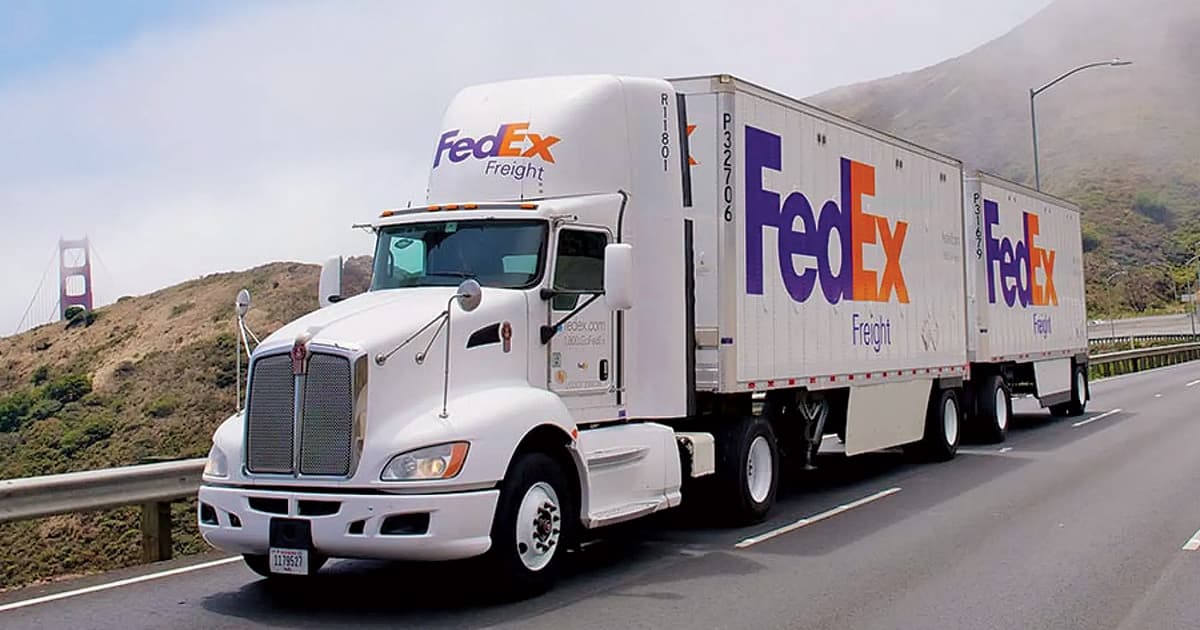
FedEx Freight is making aggressive moves to capture increased market share across four key segments of the less-than-truckload (LTL) market as it operates as a stand-alone carrier. The strategic shift represents a significant opportunity for the company to leverage its established infrastructure and brand recognition in pursuit of growth.
According to top executives, the independent structure allows FedEx Freight to focus more intently on LTL-specific opportunities without the constraints of broader corporate priorities. This targeted approach comes at a time when the LTL market is experiencing its own pressures from capacity constraints and evolving customer demands.
The company's market share ambitions reflect confidence in its operational capabilities and network advantages. Fleet managers in the LTL space will be watching closely to see how this increased competition affects service levels and pricing across the segment. The move also signals potential opportunities for partnerships or competitive responses from other major LTL carriers.
Freight Fraud Evolution Demands New Mitigation Strategies
The freight industry is grappling with increasingly sophisticated fraud schemes that are evolving faster than traditional prevention methods. These emerging threats require carriers and fleet operators to implement more comprehensive mitigation strategies beyond conventional verification processes.
Modern freight fraud has become more technologically sophisticated, with bad actors leveraging digital tools to create convincing false identities and documentation. This evolution puts additional pressure on fleet operators to enhance their verification and monitoring capabilities, often requiring investment in new technologies and processes.
Fleet management platforms are responding to these challenges by integrating more robust fraud detection capabilities. Companies utilizing comprehensive operational platforms like Proaction, Fleetio, and Decisiv are finding that centralized data management helps identify suspicious patterns and anomalies that might indicate fraudulent activity. The integration of AI-powered analytics tools is becoming increasingly important for real-time fraud detection and prevention.
The financial impact of freight fraud can be devastating for carriers, making investment in prevention technologies a critical business imperative. Fleet managers are increasingly viewing fraud mitigation as an essential component of their risk management strategies.
Technology Partnerships Reshape Carrier Relationships
Uber's expansion of its Carrier Advisory Board represents a broader trend toward technology-driven partnerships in the freight industry. These collaborative relationships are becoming essential for carriers looking to access new freight opportunities and optimize their operational efficiency.
The advisory board structure allows carriers to have direct input into platform development and feature priorities, creating a more collaborative relationship between technology providers and fleet operators. This approach contrasts with traditional vendor-customer relationships and reflects the industry's recognition that successful technology adoption requires deep operational understanding.
For fleet managers, these partnerships offer access to broader freight networks and enhanced visibility into market opportunities. However, they also require careful evaluation of data sharing agreements and operational integration requirements. The success of such partnerships often depends on how well the technology platforms integrate with existing fleet management systems and workflows.
The trend toward advisory boards and collaborative partnerships is likely to accelerate as technology becomes increasingly central to freight operations. Fleet operators who engage proactively with these platforms may gain competitive advantages in terms of freight access and operational efficiency.