Fleet Managers Revisit Which Services Belong With an FMC
A Fleet Forward roundtable found fleet managers still rely on fleet management companies for financing, factory ordering and fuel, while taking a closer look at direct supplier relationships for areas such as acquisition, titles, tolls and accident management.
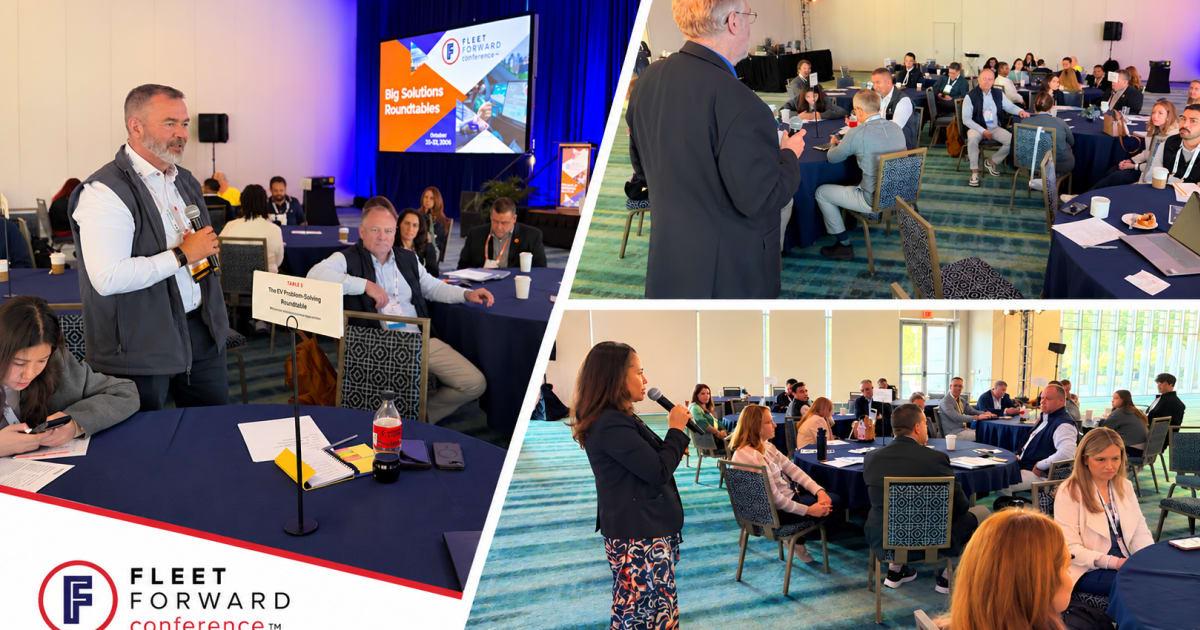
Fleet managers are revisiting a familiar operating question: which services should stay with a fleet management company, and which may work better through direct supplier relationships?
At a 2026 Fleet Forward roundtable facilitated by Cavis founder Diana Holland, managers described continued reliance on FMCs for financing, factory ordering and fuel management. Those functions benefit from scale, established processes and buying power, participants said.
The pressure points are speed and visibility
The conversation became more nuanced around stock-vehicle acquisition, title and registration, toll administration, remarketing and accident management. Managers with established dealer relationships said they could sometimes locate stock faster by working directly with dealers. Others pointed to title and registration delays, missing paperwork and limited status visibility as recurring frustrations.
Toll management also drew scrutiny when administrative fees appeared disconnected from the underlying charge. One example discussed at the roundtable involved a $5 fee on a $1.50 toll. That does not make a direct model right for every fleet, but it does show why teams need service-level data rather than relying solely on a bundled relationship.
Unbundling adds work of its own
Working directly with specialists can add flexibility, but it also means more contracts, invoices, integrations and supplier relationships to coordinate. The right split depends on the fleet's internal expertise, capacity and existing market relationships.
That coordination gap is also creating room for software and service providers, including Proaction, that are designed to give fleet teams more visibility and control as they work across direct suppliers rather than relying on a single bundled relationship.
The practical takeaway is not to move away from an FMC by default. It is to set clear performance measures for each service, review unresolved issues regularly and compare the full operating cost of a bundled program against the work required to manage a specialist directly. The sourcing decision becomes more useful when it is tied to response times, visibility and accountability rather than a generic preference for one model.