FMCSA Moves on Chameleon Carriers as $158M Florida Ponzi Scheme Unravels
Federal regulators are closing the loophole that lets bad carriers rebrand overnight, just as a Florida operator's collapse exposes how 2,000 investors lost $158 million chasing impossible trucking returns.
FMCSA Takes Aim at the Industry's Rebrand-and-Run Problem
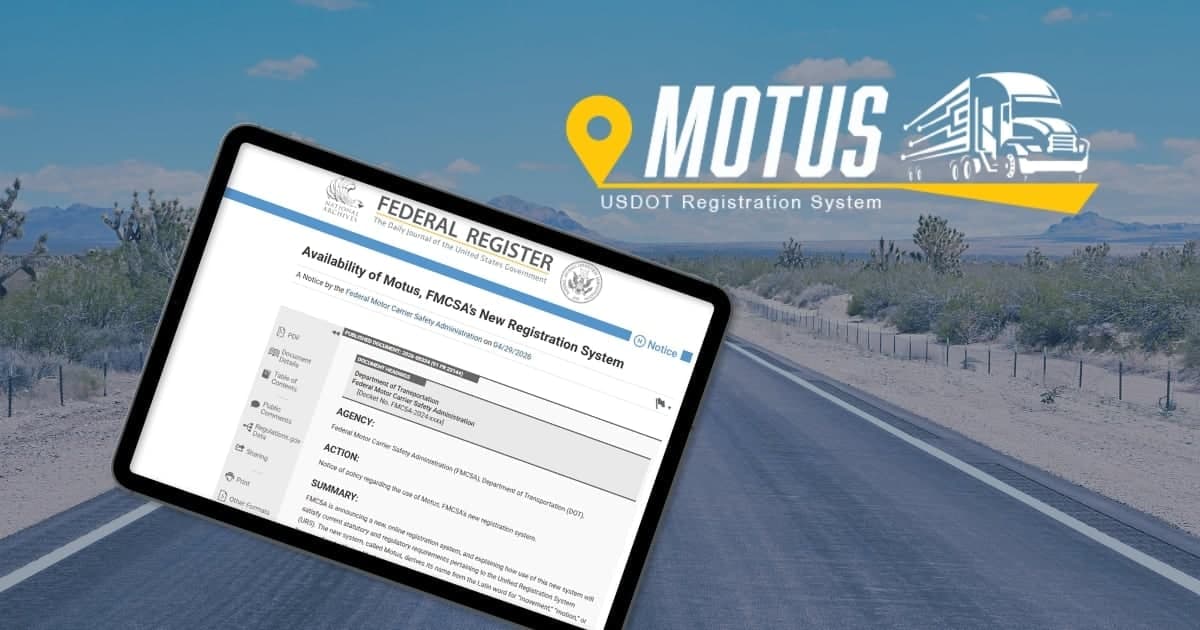
The Federal Motor Carrier Safety Administration has unveiled a reform package targeting chameleon carriers, the operators who shutter failing companies and resurface under new names, new DOT numbers, and the same old safety problems. The move is part of a broader FMCSA push to shut down the loophole that lets high-risk carriers stay on the road by laundering their identities through fresh operating authorities.
The pattern is well-worn: a carrier facing enforcement action folds, then reopens within weeks under a new banner, keeping the same ownership, the same trucks, and the same unsafe practices. Safety advocates and compliant fleets have complained for years that the practice tilts the competitive field toward bad actors, who sidestep fines and out-of-service orders that law-abiding operators absorb.
So what for fleet managers: Expect tighter vetting of new authorities, deeper scrutiny of ownership links, and potentially new documentation requirements when onboarding small carriers or owner-operators into your network.
A $158 Million Ponzi Scheme Targeted Trucking's Most Vulnerable
A Florida-based trucking company has been exposed for defrauding roughly 2,000 investors of $158 million, dangling returns of 200% per month to lure in small carriers and industry insiders desperate for a lifeline. The pitch: ordinary trucking operations somehow generating extraordinary profits, with the spoils passed back to those who bought in early.
It was textbook Ponzi mechanics. Early investors got paid with money from later ones, while the operators siphoned most of the capital into personal spending rather than actual freight operations. What makes the case particularly damaging is the victim profile. The scheme didn't target Wall Street. It preyed on mom-and-pop carriers already squeezed by weak rates and hungry for a way out.
Rate Pressure Keeps Grinding Down Carrier Sentiment
Carrier sentiment remains stuck in the basement, according to Ritchie Bros. data, as weak freight rates and macroeconomic uncertainty continue to hammer margins. The wreckage is visible: a Texas-based carrier recently filed for bankruptcy, and the sudden closure of ECM Transport has left the industry guessing at the full picture behind the shutdown.
Against that backdrop, the American Trucking Associations has launched a new driver compensation study, asking carriers to share current pay data as recruitment and retention pressures mount. The tension is familiar to anyone running a fleet right now: drivers expect raises, but rates don't support them. The study's value will hinge on whether it captures what carriers are actually paying, not what they wish they could.
EPA Holds the Line on 2027 NOx, and ELD Data Gets Teeth
The Environmental Protection Agency has rejected the industry's bid to delay the 2027 NOx emissions rule, keeping the current timeline intact despite warnings about compliance costs and technology readiness. For fleets already modeling replacement cycles, the message is clear: plan for the rule as written, not the one the industry hoped to negotiate.
Meanwhile, a new study has drawn a strong statistical link between Electronic Logging Device violations and unsafe carrier operations, giving regulators fresh ammunition to prioritize enforcement. Expect ELD compliance patterns to factor more heavily into targeting decisions, audits, and the broader conversation about which carriers deserve a closer look.
So what for fleet managers: Lock in your 2027 emissions strategy now, and treat ELD hygiene as a safety metric, not a paperwork chore. Both will shape how regulators see your operation in the next audit cycle.