Maersk Shifts SoCal Containers From BNSF to UP
Maersk has moved most eastbound containers leaving Los Angeles-Long Beach from BNSF to Union Pacific, according to RailState data. The shift covers about 1,000 TEUs a week as peak season gets underway.
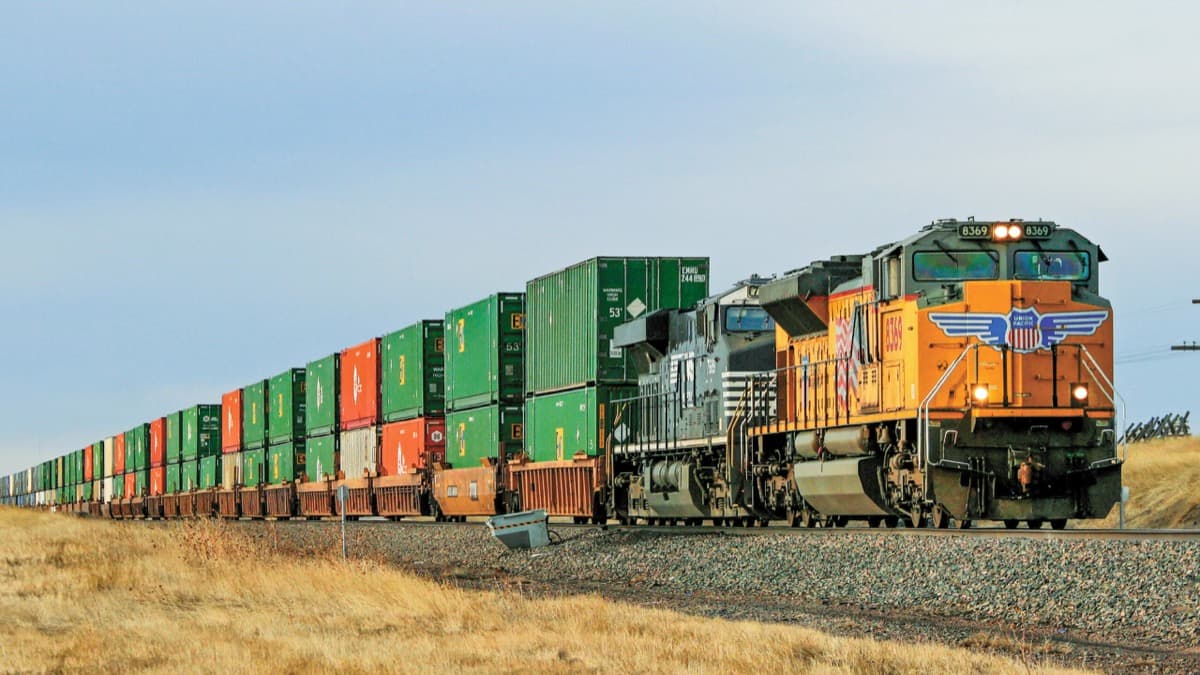
Maersk Moves More Boxes to Union Pacific
Maersk has shifted most of its eastbound Southern California intermodal containers away from BNSF Railway and onto Union Pacific, according to RailState data reported by FreightWaves. The move affects freight leaving the Los Angeles-Long Beach port complex, one of the most important inbound gateways for retailers and importers heading into peak season.
RailState said UP's share of Maersk volume in the region climbed from single digits in mid-May to about 59% over the tracking period, with current regional share near 77%. The change equals roughly 1,000 TEUs a week, with volume concentrated on UP's Sunset Route.
Why the Routing Shift Matters
The freight is mainly moving through UP's Long Beach-to-Chicago service into the Global 4 terminal near Joliet, Illinois, and the Long Beach-to-Dallas corridor. RailState said Maersk moved 100,559 TEUs east along the corridor during the period it tracked, with BNSF handling about 90% before the switch accelerated.
The timing is notable because peak season is already building. UP has also extended a $300 peak season surcharge for certain Southern California intermodal freight moving above committed baseload levels beginning July 5.
What Fleets Should Watch
For shippers and drayage partners, the practical question is less about railroad share and more about execution: ramp availability, appointment timing, chassis balance and whether customer routing guides need updates. A rail shift of this size can change where containers show up, which inland ramps get busier and how quickly exceptions surface during the busiest import weeks of the year.