NHTSA Funds State Recall Alerts at Registration Renewal
NHTSA will invest $1.5 million to help states notify vehicle owners about open safety recalls during registration and renewal, a process fleets can use to tighten recall-closeout controls.
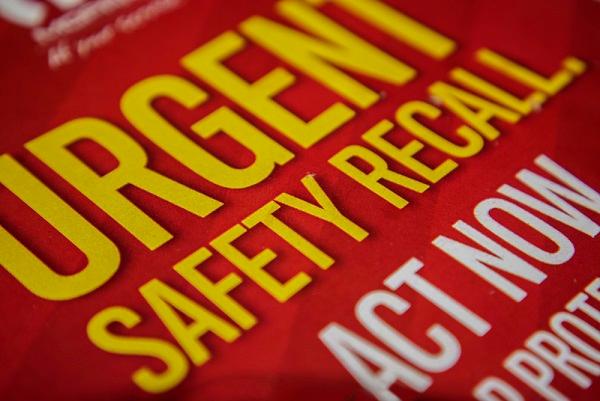
The National Highway Traffic Safety Administration will invest $1.5 million to help states alert drivers to open vehicle safety recalls during registration and renewal. The agency says the funding is intended to improve recall-completion rates and give states a repeatable way to flag unresolved safety work when owners interact with registration systems.
For fleet operators, the effort points to a familiar operational gap: an open recall can be visible in a manufacturer notice or VIN lookup but still remain unresolved if no team owns the follow-up through scheduling, repair confirmation and recordkeeping.
States will build repeatable notification processes
NHTSA said it will direct funding to states that prioritize a reliable process for informing owners about open recalls at registration or renewal. The agency also wants data-driven methods to measure recall completions and reports that document the process so states can share practices that work.
NHTSA Administrator Jonathan Morrison said an open recall is an avoidable road hazard and that the investment is meant to help states flag the issue before a vehicle stays in service. The program is a public-safety measure, but its workflow is relevant to any organization responsible for a group of vehicles.
Fleets still need their own recall controls
Registration-based notifications are a useful additional checkpoint, not a replacement for fleet recall management. A fleet may title or register vehicles across multiple jurisdictions, rely on leasing or management partners, or rotate units before a renewal date arrives. Those conditions make a centralized VIN-level review important.
A practical process starts with an authoritative vehicle list, then matches each VIN against manufacturer and NHTSA recall data, identifies the responsible repair channel and tracks completion evidence. Safety managers can add exception reporting for vehicles that cannot be scheduled promptly or that have been reassigned.
A reminder to close the loop
For teams that already receive recall notices, the value is in closure discipline: verify the repair was completed, retain the record and keep the vehicle's status current. The new state funding may improve the public reminder system, while fleet controls determine whether open recalls become finished work.