PC-12 Puts Engine-Oil Planning on the 2027 Fleet Maintenance Calendar
A new heavy-duty engine-oil category arrives January 1, 2027. Fleets running late-model diesel equipment should begin checking OEM guidance, lubricant inventory, and shop communication now.
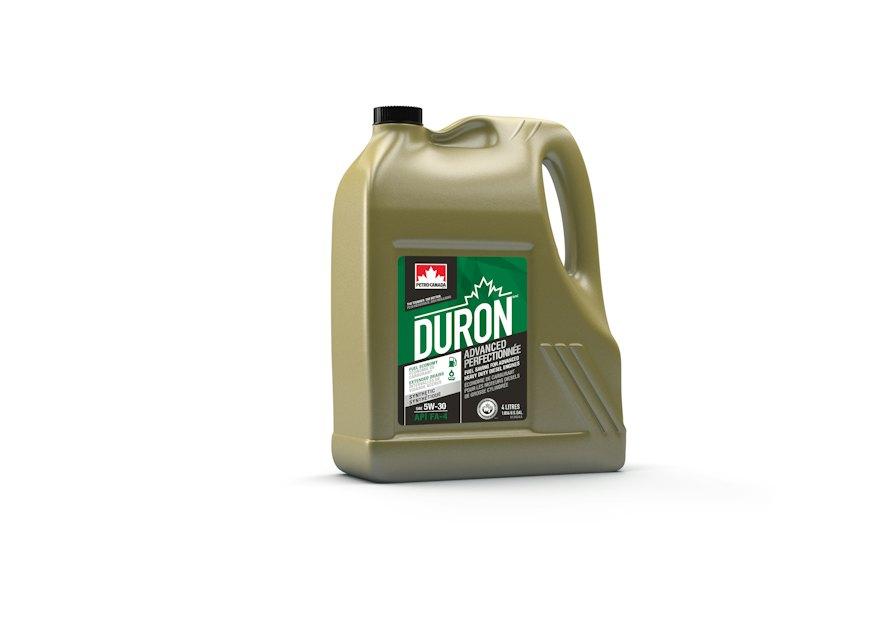
The PC-12 heavy-duty engine-oil category is scheduled to take effect on January 1, 2027, putting a maintenance detail that is easy to defer onto fleet planning calendars now.
Petro-Canada Lubricants this week previewed its next-generation DURON line for the transition. The larger point for fleet operators is not a single product launch: engine, aftertreatment, and lubricant requirements are moving together as 2027-model-year heavy-duty equipment reaches the market.
A new category after PC-11
PC-12 is the next North American heavy-duty engine-oil category after PC-11, which introduced the CK-4 and FA-4 categories in 2017. Industry coverage says the new specification will introduce CL-4 and FB-4 categories designed around the emissions and fuel-economy needs of 2027 engines.
Petro-Canada says its next-generation DURON products will be available January 1. Its guidance, like the broader industry guidance, is straightforward: use the oil category and viscosity that the engine maker specifies.
What fleets should check now
Maintenance leaders do not need to purge every drum or rewrite every preventive-maintenance plan today. They do need to map where new engines will enter the fleet, confirm each OEM's approved oil list, and make sure shop teams and suppliers can distinguish legacy and new categories. Mixed-age fleets are especially likely to carry more than one approved oil path for a period of time.
That makes this a procurement and process question as much as a lubricant question. Part numbers, bulk-tank labels, purchase contracts, oil-analysis baselines, and technician training all deserve a review before the new category becomes routine. The goal is to avoid a specification mix-up during the first 2027-model-year service event.
