Carrier Exits Keep Climbing as Weak Freight Rates Squeeze Small Operators Into 2026
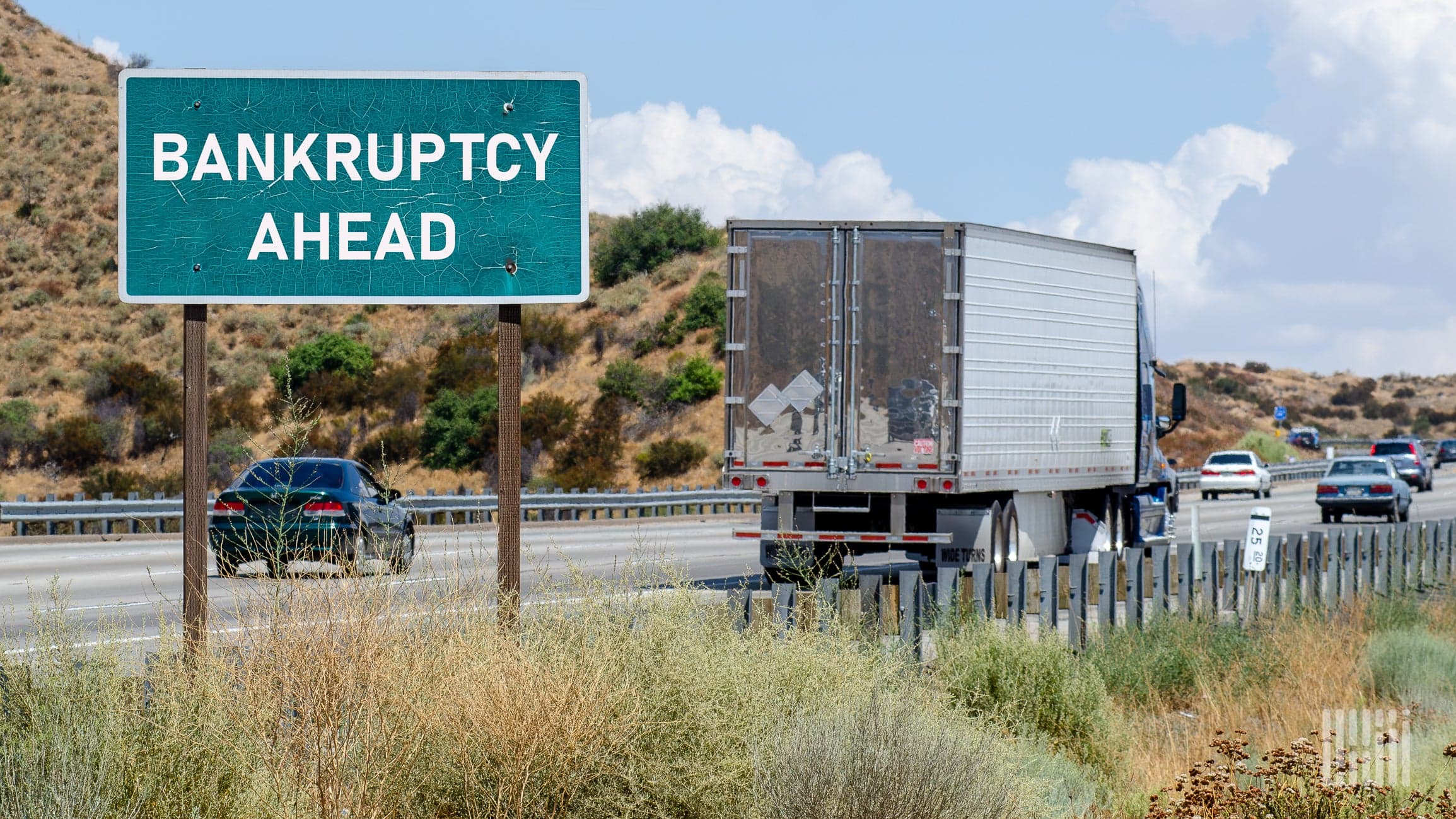
Bankruptcies among small and mid-size carriers continue to mount through early 2026 as low freight rates, suppressed demand, and tightening regulatory enforcement make survival increasingly difficult for thin-margin operators.
Bankruptcy Filings Continue Into Early 2026
The trucking industry's carrier exit cycle hasn't turned yet. A Texas-based carrier filed for bankruptcy in December 2025, followed by an Illinois carrier filing for Chapter 11 protection in January 2026 -- part of a pattern that the Commercial Carrier Journal described as reaching critical levels. The exits are concentrated among smaller operators and thin-margin segments, but the pressure is broad enough that few carriers are entirely insulated.
Ritchie Bros. reported that carrier sentiment remains suppressed heading into 2026. The combination of low spot rates, reduced shipping volumes, and rising operating costs has extended the industry's difficult stretch through multiple quarters, with no clear inflection point visible in the near-term data.
Profitability Remains Elusive for Most Carriers
The major carriers' financials reflect an industry still working through overcapacity added during the 2021-2022 freight boom. Commercial Carrier Journal's analysis of top carriers shows ongoing profitability struggles as the market works off excess supply. The challenge is compounded by driver compensation pressures -- the American Trucking Associations launched a compensation study in early 2026 seeking a clearer picture of wage trends across the industry.
Industry analysts note that the driver shortage facing carriers isn't primarily a headcount problem but a quality and retention problem. Carriers who've invested in competitive pay and working conditions are holding their driver base; those who haven't are seeing accelerated turnover that adds to operational costs at exactly the wrong time.
Regulators Add Pressure With Enforcement Push
The regulatory environment is also tightening. The FMCSA's crackdown on chameleon carriers -- operators who cycle through new business identities to escape enforcement history -- has picked up speed. New research linking ELD violations to broader safety failures gives regulators a sharper set of targeting criteria, and the 40-state emergency declaration extended the agency's enforcement reach into 2026.
On the legislative side, a bipartisan Congressional Trucking Caucus launched in December 2025 to bring more consistent federal attention to the sector. Whether that translates into meaningful policy relief for struggling carriers remains to be seen, but the political attention signals the industry's struggles have reached Washington.
Financial Innovation Offers Some Operational Relief
Technology companies are moving into some of the gaps. TCS Blockchain and PayPal announced financial innovation initiatives targeting trucking and transportation, aiming to reduce payment friction and improve cash flow for smaller operators. Faster payments and reduced factoring costs can meaningfully improve a thin-margin carrier's position -- even without a freight rate recovery.
The near-term outlook, however, depends heavily on freight demand. Until volumes recover, the carrier exit cycle is likely to keep working through the industry's excess capacity.