U.S. Trailer Duty Orders Put Equipment Costs on Fleet Watchlist
The U.S. International Trade Commission's final injury finding clears the way for antidumping and countervailing-duty orders on van-type trailers and subassemblies from China. Fleets sourcing trailer equipment should watch supplier pricing, lead times and country-of-origin exposure.
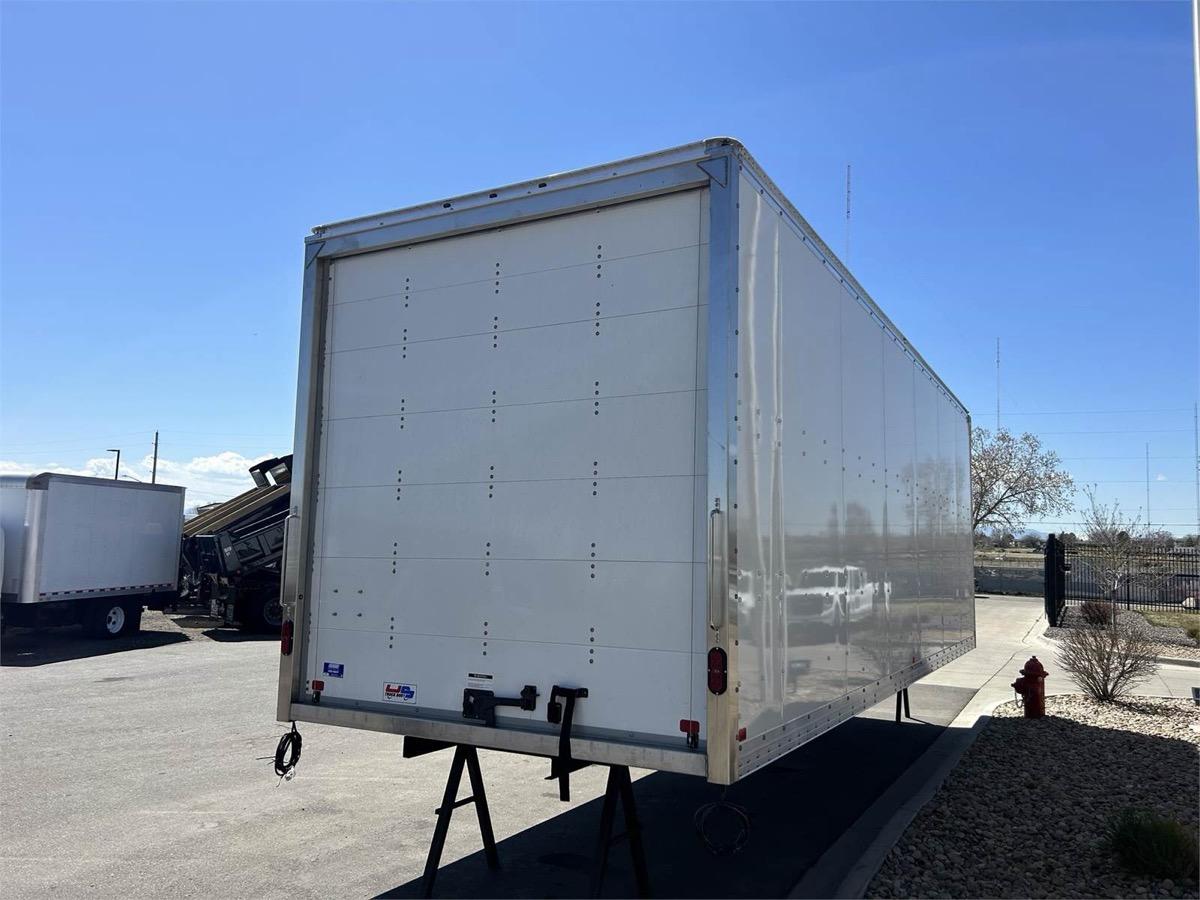
The U.S. International Trade Commission has made a final finding that imports of certain van-type trailers and subassemblies from China materially injure a U.S. industry, clearing the way for antidumping and countervailing-duty orders.
The decision follows Commerce Department findings that the products were sold in the United States at less than fair value and subsidized by the Chinese government. The investigation covers van-type trailers and related subassemblies, rather than every kind of trailer equipment.
What changes for buyers
The case moves from investigation to enforceable import orders. For fleets and lessors, the immediate issue is not a broad verdict on trailer demand. It is whether a planned purchase, replacement or supplier quote includes equipment or components within the order's scope.
Import duties can affect landed cost, supplier pricing and procurement timing even when a fleet buys through a domestic dealer or manufacturer. Equipment teams should ask suppliers to identify country of origin, clarify whether the quoted configuration contains covered subassemblies, and confirm how any duty exposure is being handled.
Keep specification decisions separate from headlines
A duty order does not automatically make one trailer configuration a better operating choice. Fleet teams should continue to compare payload needs, body type, maintenance support, warranty coverage and delivery timing. But where a replacement plan relies on imported van trailers or parts, the order is a reason to refresh cost assumptions before issuing a purchase order.