Diesel Hits $5.40 — and $7 in California. Here's How Fleets Are Adapting.
Middle East tensions have pushed national diesel to $5.40 and past $7 on the West Coast, forcing fleet operators to rethink everything from speed policies to load acceptance. The playbook for surviving this spike is already taking shape.
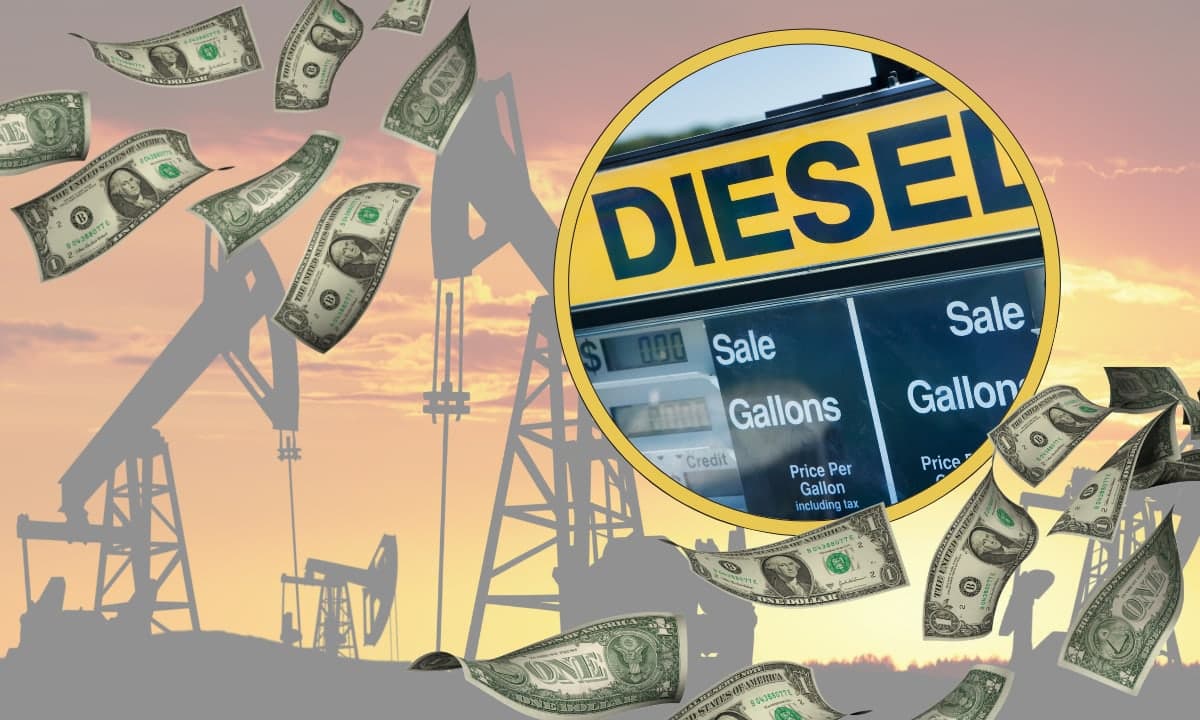
National Diesel Crosses $5.40 as California Blows Past $7
U.S. diesel has hit $5.40 per gallon nationally, with California shattering the $7 mark — the highest regional price recorded during the current Middle East conflict cycle. The culprit: ongoing hostilities that have rattled global energy markets and tightened supply chains feeding directly into trucking's cost structure.
For an industry already operating on razor-thin margins, the math is punishing. A long-haul truck burning 20,000 gallons a year absorbs tens of thousands of dollars in added cost at these levels. And unlike spot freight rates, fuel bills don't negotiate.
The Three Levers Fleets Are Pulling Right Now
Operators aren't waiting for relief at the pump. Across the industry, fleet managers are moving on three immediate fronts: dialing back governed speeds to squeeze more miles per gallon, attacking deadhead miles through tighter route optimization, and — perhaps most consequentially — walking away from freight that doesn't pencil out at current fuel prices.
That last point matters. When carriers start declining loads, shippers feel it fast. The ripple effect reshapes lane pricing and capacity availability, which means fleet leaders who understand their true per-mile cost have a real competitive edge right now.
Cyber Threats and Fraud Are the Second Front
Fuel costs grab the headlines, but the Iran conflict is opening a less visible and equally dangerous front: cybersecurity. Industry sources report a measurable uptick in cyberattacks and fraud schemes targeting trucking operations during the conflict period — from phishing campaigns aimed at back-office staff to fraudulent carrier identities in load boards.
For fleet managers, this means fuel strategy alone isn't enough. Operations leaders need to pressure-test their cybersecurity protocols alongside their fuel surcharge tables. The companies getting hit hardest are the ones treating these as separate problems.
Why This Isn't a Wait-It-Out Situation
Previous diesel spikes taught the industry to hunker down and wait for prices to normalize. This time is different. The combination of sustained fuel volatility and escalating security threats creates a compounding risk profile that temporary cost-cutting can't solve.
Smart fleet operators are treating this as a structural shift, not a blip — revisiting load acceptance algorithms, investing in fuel hedging where possible, and building cybersecurity into their operational risk frameworks. The fleets that come out ahead won't be the ones who cut the deepest. They'll be the ones who adapted the fastest.