Detroit Opens EPA 2027 Engine Orders
Daimler Truck North America says fleets can begin ordering Detroit Gen 6 DD13 and DD15 engines on Sept. 1 for Freightliner and Western Star trucks. The update keeps most of the existing platform while changing fuel, aftertreatment and thermal-management systems for EPA 2027.
Orders Open Sept. 1
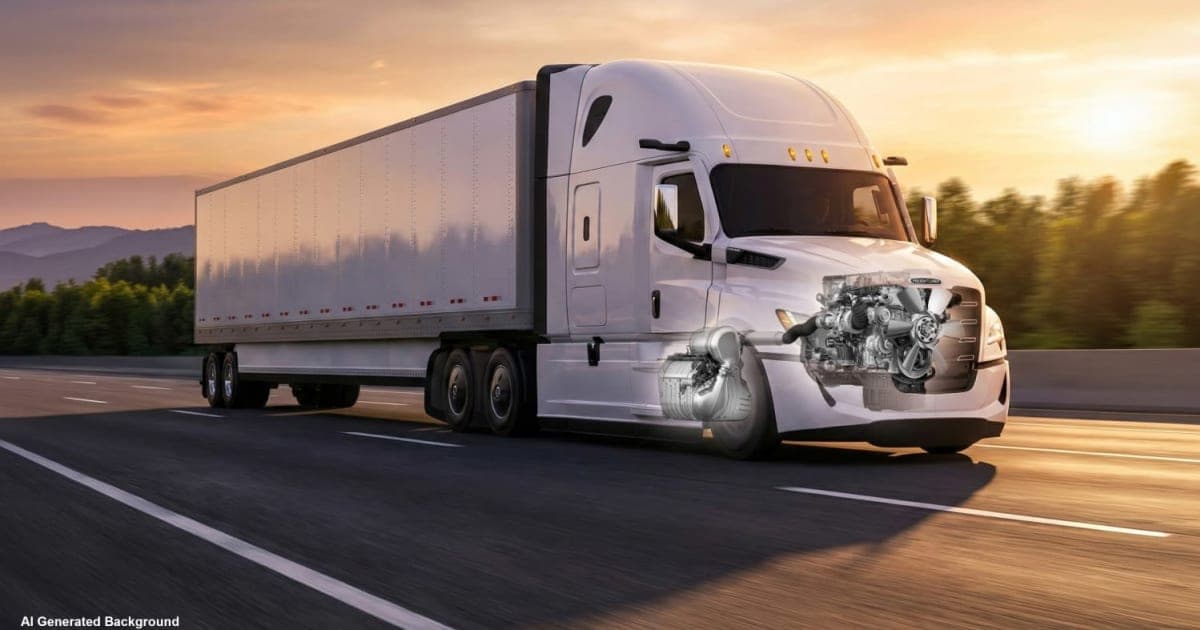
Daimler Truck North America says customers will be able to order Detroit's next-generation heavy-duty engines starting Sept. 1, putting another major EPA 2027 option into the fleet planning window.
The Detroit Gen 6 DD13 and DD15 engines will be available in Freightliner and Western Star trucks. Detroit is not treating the emissions change as a clean-sheet engine program. The company says about 75% of the new engines' core components carry over from the previous generation.
EPA 2027 Changes Are Focused Inside the System
The update is meant to meet the tougher EPA 2027 nitrogen oxide standards while keeping the platform familiar for fleets, technicians and body builders. Detroit said the changes focus on the fuel system, emissions controls and thermal management.
The fuel system has been redesigned with a simpler architecture intended to keep fuel flow more consistent. The emissions package adds a pre-SCR system, plus thermal-management work that uses exhaust heat to bring aftertreatment up to temperature faster. Detroit says the setup should reduce parked regenerations and deliver roughly a 3% driving fuel-efficiency improvement for a typical linehaul fleet when thermal management and idle discipline are in place.
Vocational Packaging Matters
For mixed and vocational fleets, the most practical detail may be packaging. Detroit says the Gen 6 aftertreatment system fits within existing chassis space without needing extra room behind the cab.
That matters for dump bodies, utility equipment, service bodies and other upfits where a few inches can become a real engineering problem. Detroit also said the platform has gone through three years of testing and more than 8 million miles of real-world validation. Fleets planning 2027 replacements now have one more concrete ordering path to compare against Cummins, Paccar and International transition plans.