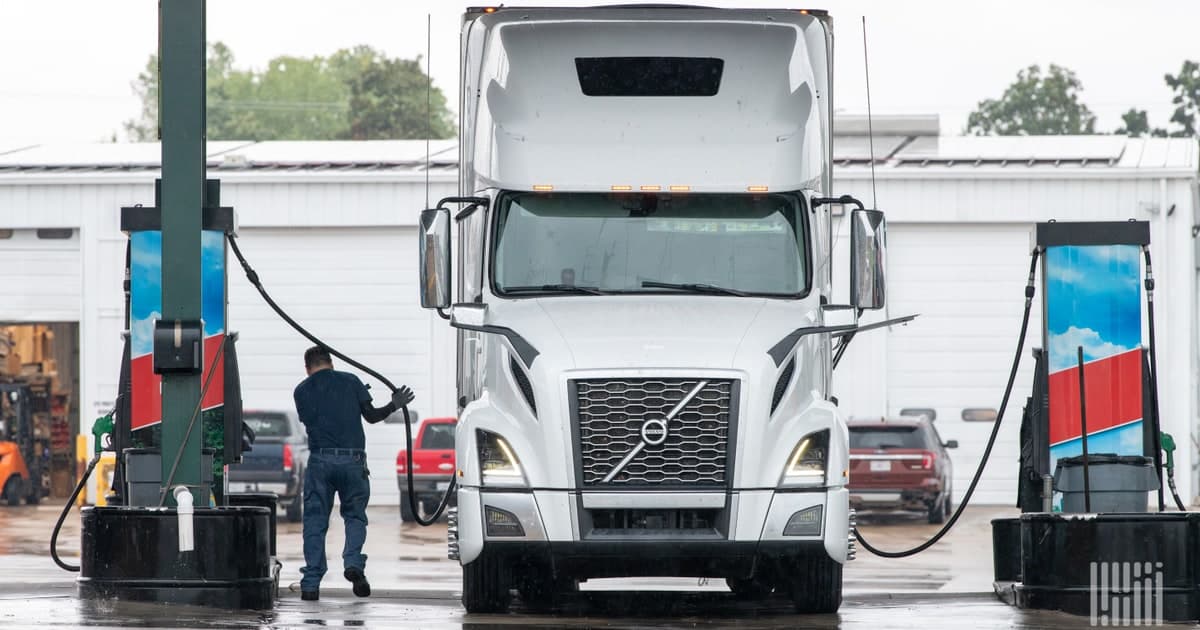
Diesel Stockpiles Hit Seasonal Low as Refining Tightens
U.S. distillate inventories fell to 103.4 million barrels for the week ending Aug. 21, the lowest seasonal level in federal data going back to the early 1980s. The pressure is showing up in diesel prices, refiner margins and fleet fuel programs.
Inventories Are Thin Ahead of Fall Demand
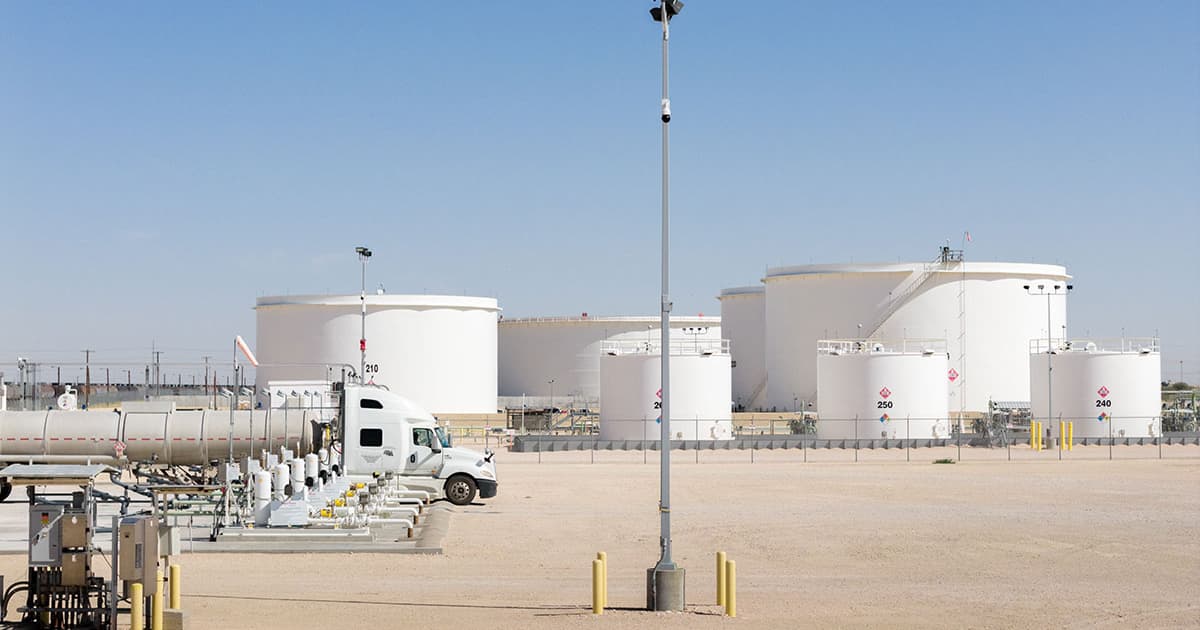
U.S. distillate fuel oil stocks, the category that includes diesel, fell to 103.4 million barrels in the week ending Aug. 21, according to Energy Information Administration data reported by Transport Topics. That is the lowest seasonal level in records stretching back to the early 1980s.
The timing is awkward for fleets. Global diesel demand typically rises into October as heating season, Northern Hemisphere harvests and Southern Hemisphere planting overlap. When stockpiles are already tight, a normal seasonal pull can put more pressure on wholesale and retail prices.
Refining Capacity Is the Pressure Point
Retail diesel in the U.S. is already above $5.60 a gallon, near the highs reached during the U.S.-Iran war period and less than 20 cents below the 2022 record cited in the source coverage.
FreightWaves reported a similar read from Aaron Decker, partner and CEO of Multi-Service Fuel Card: the issue is less about crude supply than refining capacity. Decker pointed to crack spreads above $100 per barrel, far above a typical $15-$25 range, as a sign that refined-product supply is the constraint.
What Fleets Can Control
The international backdrop is messy. Transport Topics cited reduced refined-fuel flows through the Strait of Hormuz and Russia's diesel export suspension after Ukrainian drone attacks on refineries. U.S. Gulf Coast exports are also elevated as overseas markets look for product.
Fleet managers cannot fix global refinery capacity, but they can tighten the fuel program. That means reviewing card controls, invoice terms, fraud-protection settings, purchase locations and exception reporting before price spikes turn into preventable leakage.