Fuel3w ago
FlowBelow Revises Trailer Aero System for Faster Retrofit
FlowBelow redesigned its Trailer AeroSlider with a lighter package that moves with sliding tandems, putting a fuel-saving retrofit question in front of dry-van and reefer fleets.

13 articles
FlowBelow redesigned its Trailer AeroSlider with a lighter package that moves with sliding tandems, putting a fuel-saving retrofit question in front of dry-van and reefer fleets.
EPA granted Texas a limited waiver for wider low-sulfur diesel use, but the fuel is restricted to older engines and can damage newer trucks with modern emissions systems.
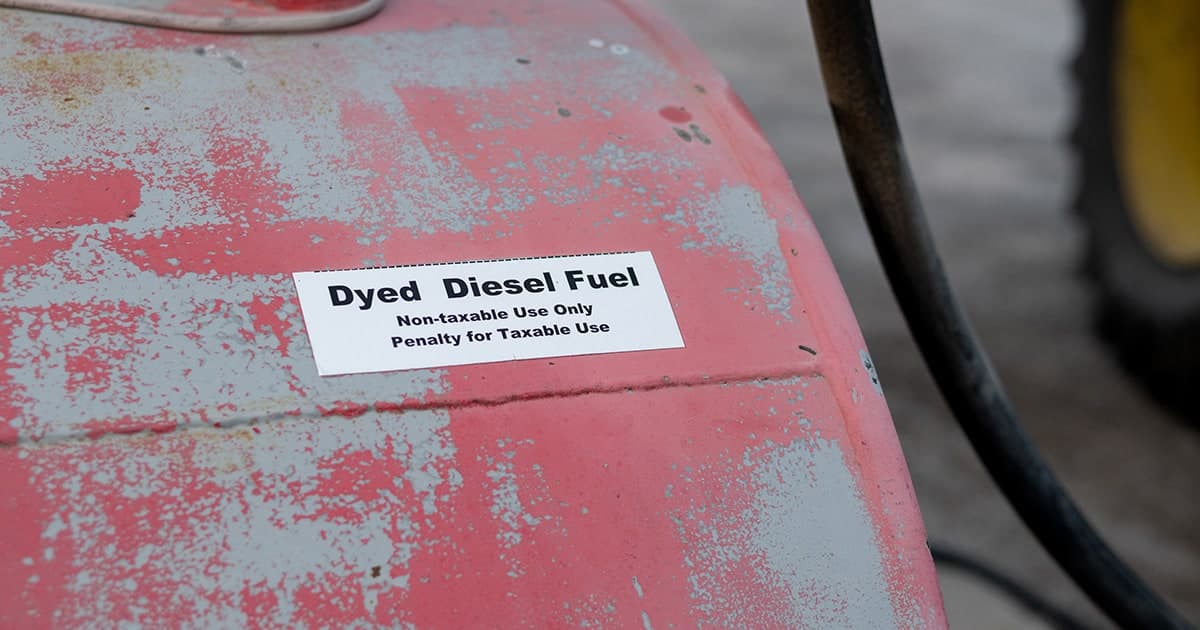
EPA's plan to reallocate small-refinery biofuel exemptions into 2026 and 2027 obligations could keep RIN credits, diesel economics and fuel budgets in focus for fleets.

North Carolina set its motor fuel excise tax to zero through Nov. 30, creating a short-term fuel-card, reimbursement and dyed-diesel audit item for fleets operating in the state.
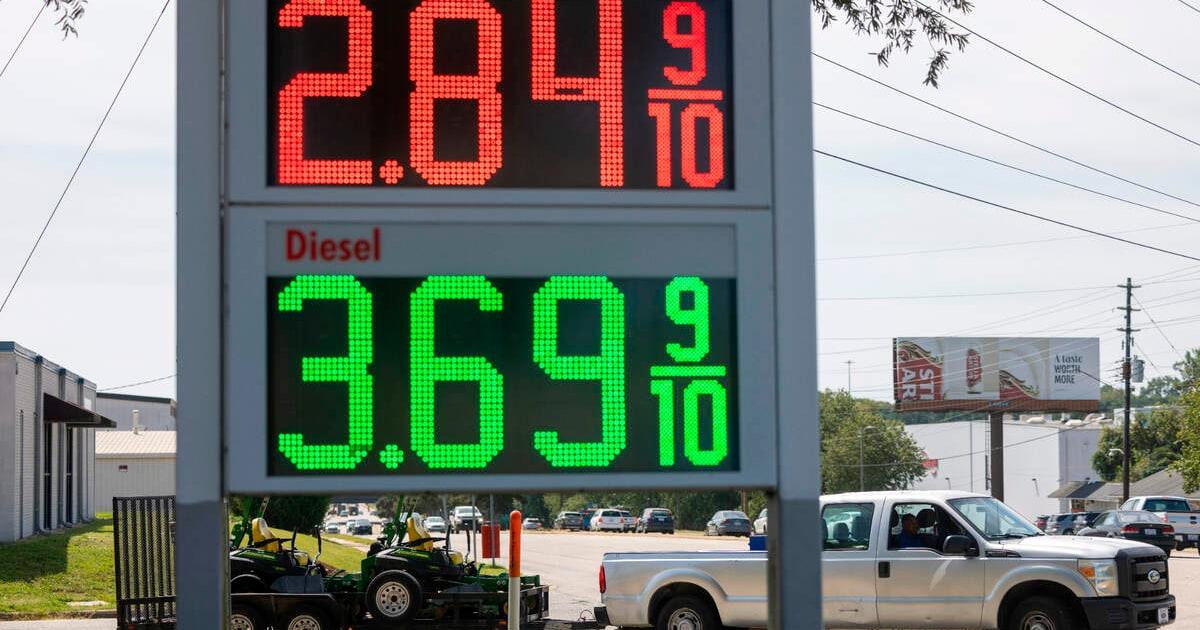
Gov. Greg Abbott's statewide disaster proclamation lets farmers and truckers use dyed diesel on Texas roads and move heavier fuel, crop and timber loads during the fuel-price surge.

The FTC says FleetCor, now Corpay, and CEO Ronald Clarke agreed to a $100 million settlement tied to hidden and unauthorized fuel-card fees. For fleets, the case turns vendor savings claims into an invoice-audit problem.
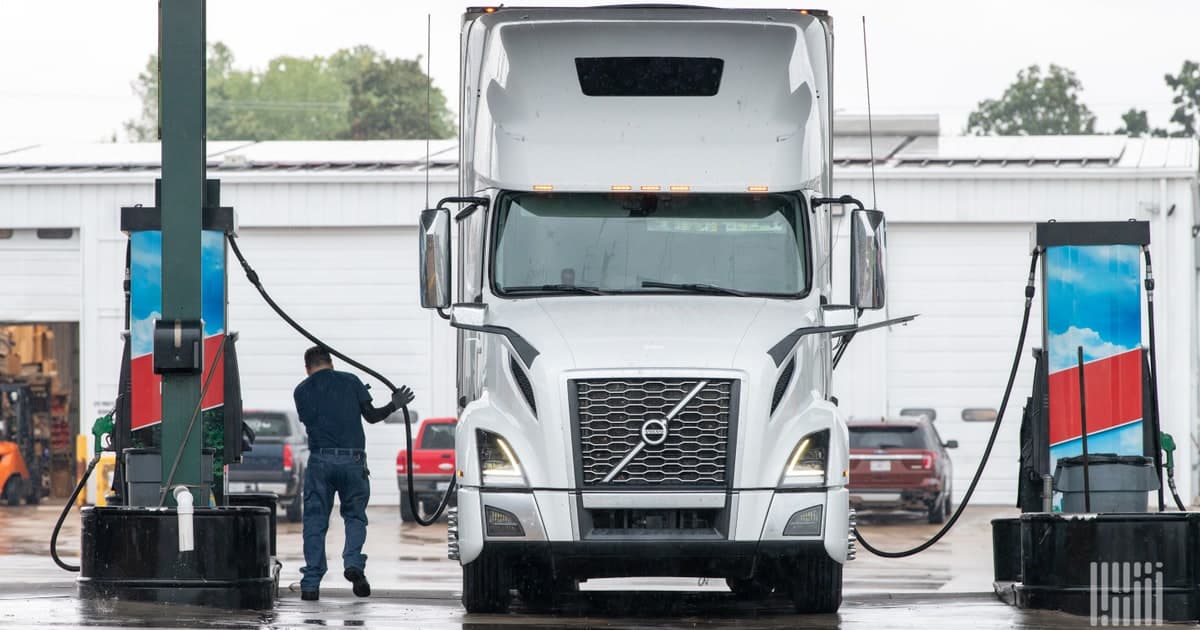
Energy Vision's updated analysis, reported by Heavy Duty Trucking, says some Class 8 fleets could recover the higher purchase price of an RNG tractor in 1.3 to 2.8 years under current fuel-price gaps.

Average U.S. retail diesel reached $5.97 per gallon in EIA's Sept. 9 report, topping the 2022 high and putting fuel controls back in the spotlight.

U.S. distillate inventories fell to 103.4 million barrels for the week ending Aug. 21, the lowest seasonal level in federal data going back to the early 1980s. The pressure is showing up in diesel prices, refiner margins and fleet fuel programs.
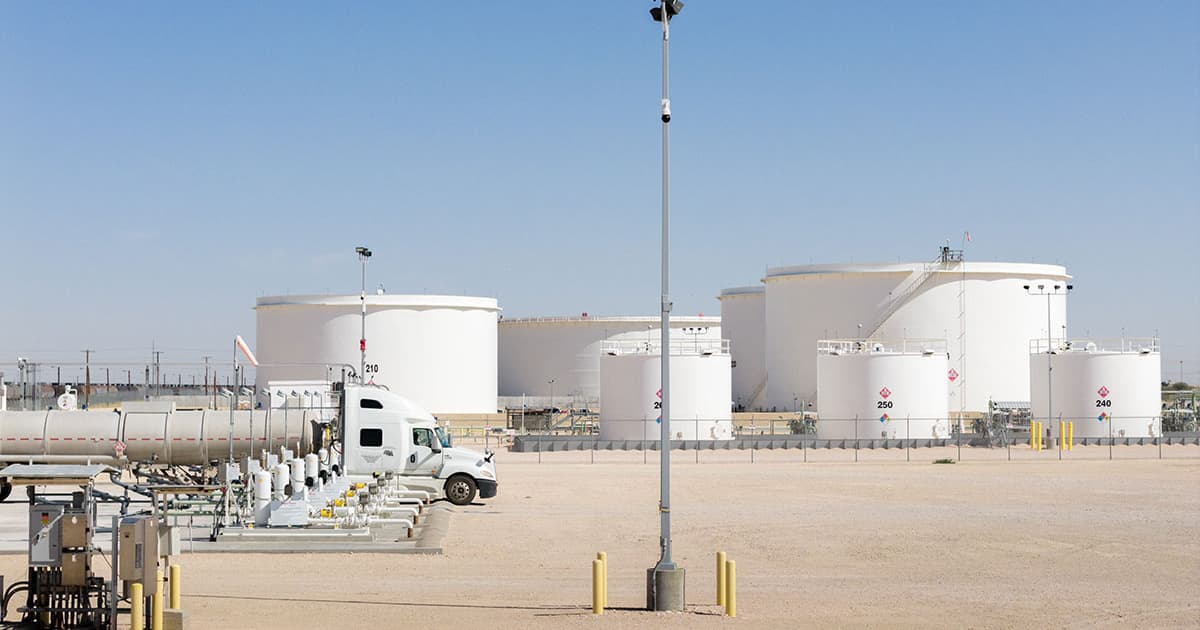
AAA data cited by Transport Topics put gasoline at $4 and diesel at $5.40 a gallon in the second week of August, adding late-summer pressure to fleet fuel budgets.
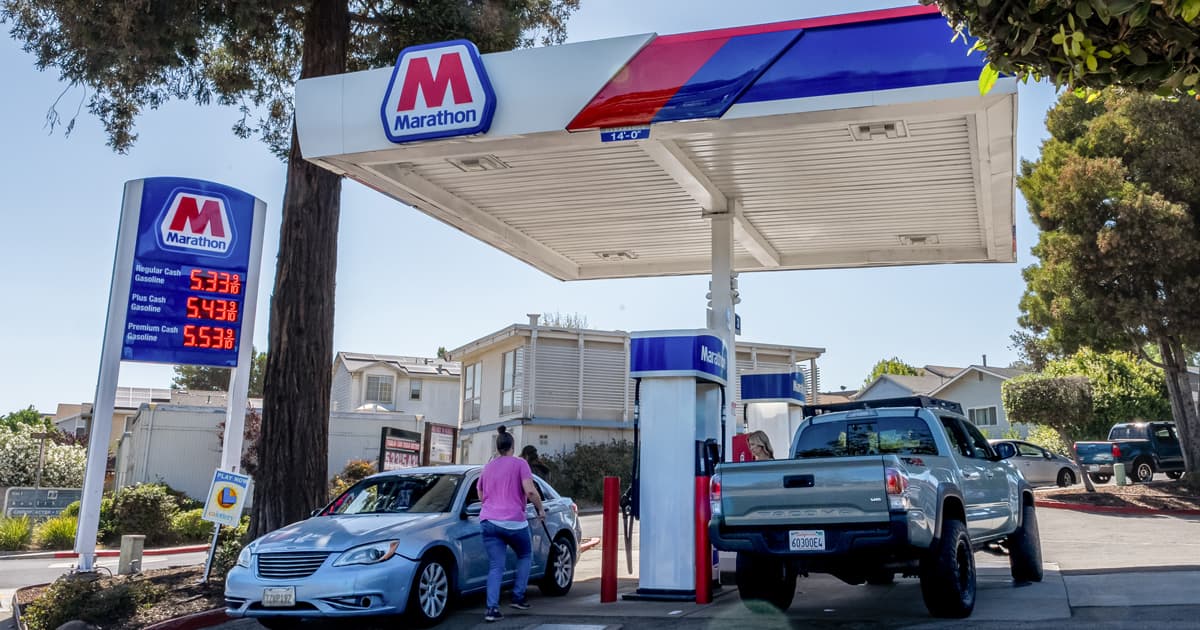
The IRS moved the 2026 business mileage rate from 72.5 to 76 cents per mile starting July 1, giving fleets with reimbursement programs a midyear policy decision.

Transport Topics' Top 100 for-hire survey found carriers still treating diesel as the default heavy-duty fuel, even as they test renewable diesel, CNG, battery-electric trucks, and hydrogen. Cost, range, infrastructure, and uptime remain the deciding issues.
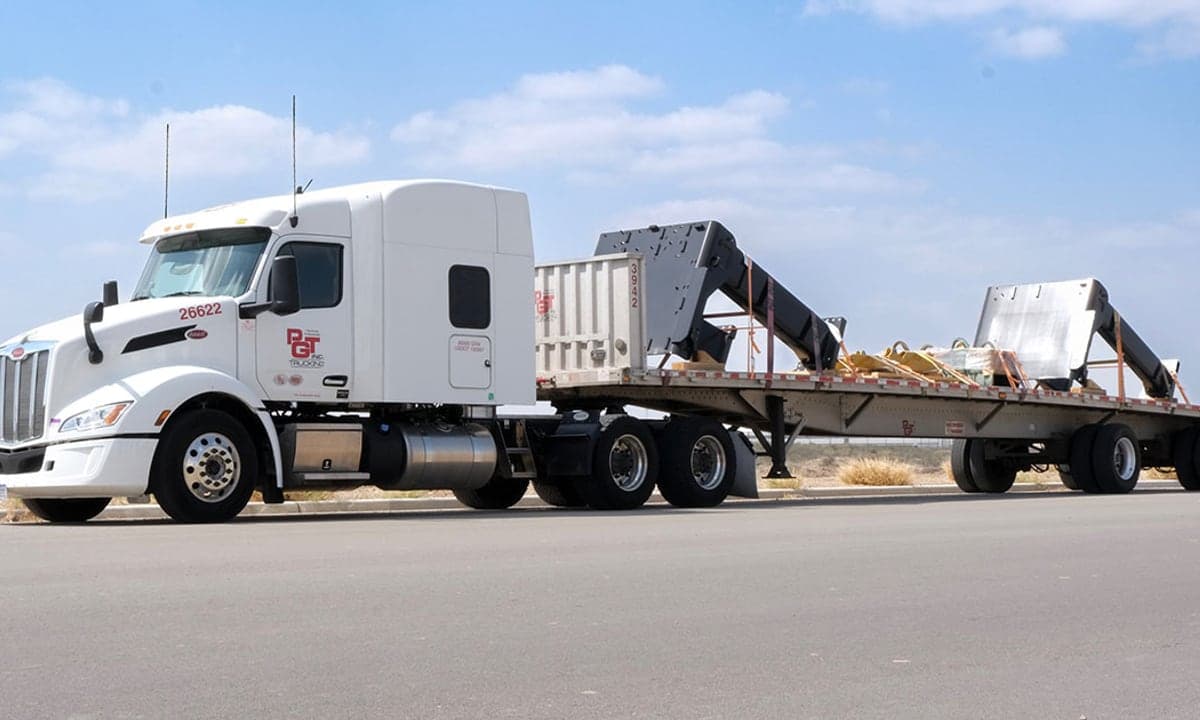
GasBuddy says the national gasoline average fell 17.9 cents in the week ending June 8, giving fleets short-term relief while global oil risk keeps the outlook unsettled.

The 5 stories fleet managers need this week. Every Friday.
Join fleet professionals who start their week informed