FTC Fuel-Card Settlement Puts Fee Audits Back on Fleet List
The FTC says FleetCor, now Corpay, and CEO Ronald Clarke agreed to a $100 million settlement tied to hidden and unauthorized fuel-card fees. For fleets, the case turns vendor savings claims into an invoice-audit problem.
Settlement Centers on Fuel-Card Fees
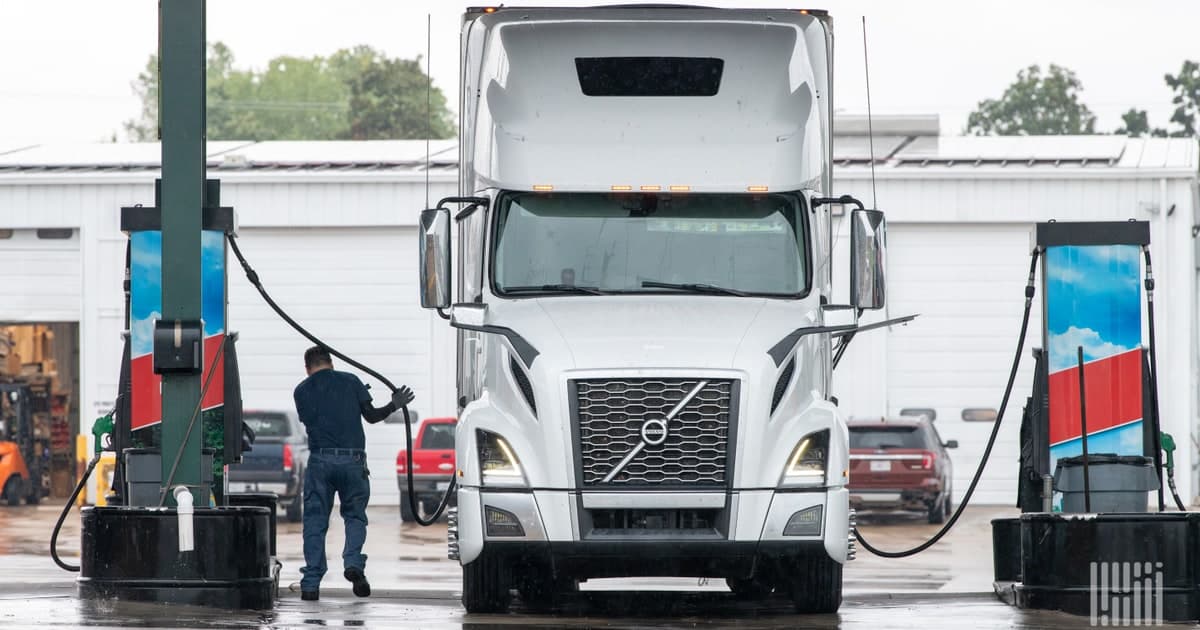
FleetCor, now known as Corpay, and CEO Ronald Clarke agreed to a $100 million settlement in a Federal Trade Commission case over commercial fuel-card fees.
The FTC said the money would be used for redress to harmed business customers if the proposed consent order becomes final. The agency accepted the agreement by a 1-0-1 vote, with Chairman Andrew N. Ferguson recused, and said the order would go through a 30-day public comment period after Federal Register publication.
What Regulators Found
The FTC said its case began with a 2019 complaint alleging that FleetCor charged small-business customers hidden or unauthorized fees connected to fuel-card use. Regulators said the company also charged some late fees when customers had paid on time or had been blocked from paying on time.
FreightWaves reported that the court record included claims about undisclosed billing practices, misleading savings claims, fraud-control representations, and card-related expenses. A federal district court granted summary judgment to the FTC in 2023, and a federal appeals court upheld the judgment against FleetCor in 2026.
Fleet Controls to Recheck
Fuel-card programs sit close to daily fleet spend, which makes small fee structures matter. The practical control is not just negotiating a headline discount, but checking whether invoices, management reports, exception fees, late charges, and rebate math match the contract.
For fleet teams, this is a reminder to put fuel-card billing on the same review cycle as tolls, maintenance invoices, rentals, and insurance claims. Ask for a plain fee schedule, audit sample invoices against it, and keep records when promised savings do not appear in the actual monthly statement.