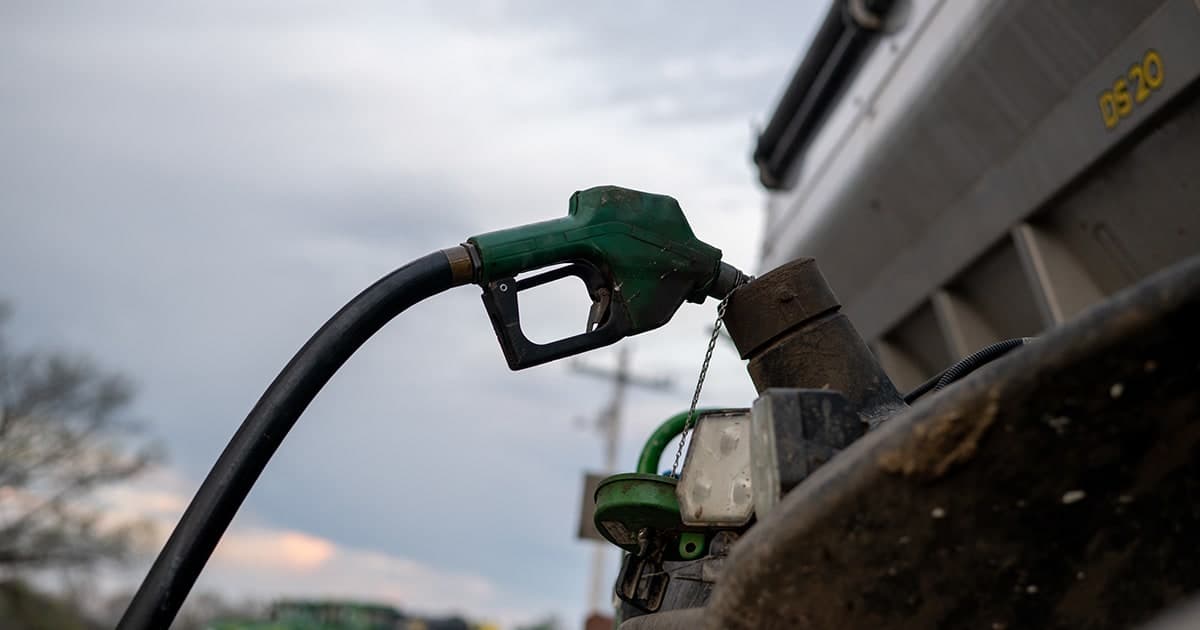
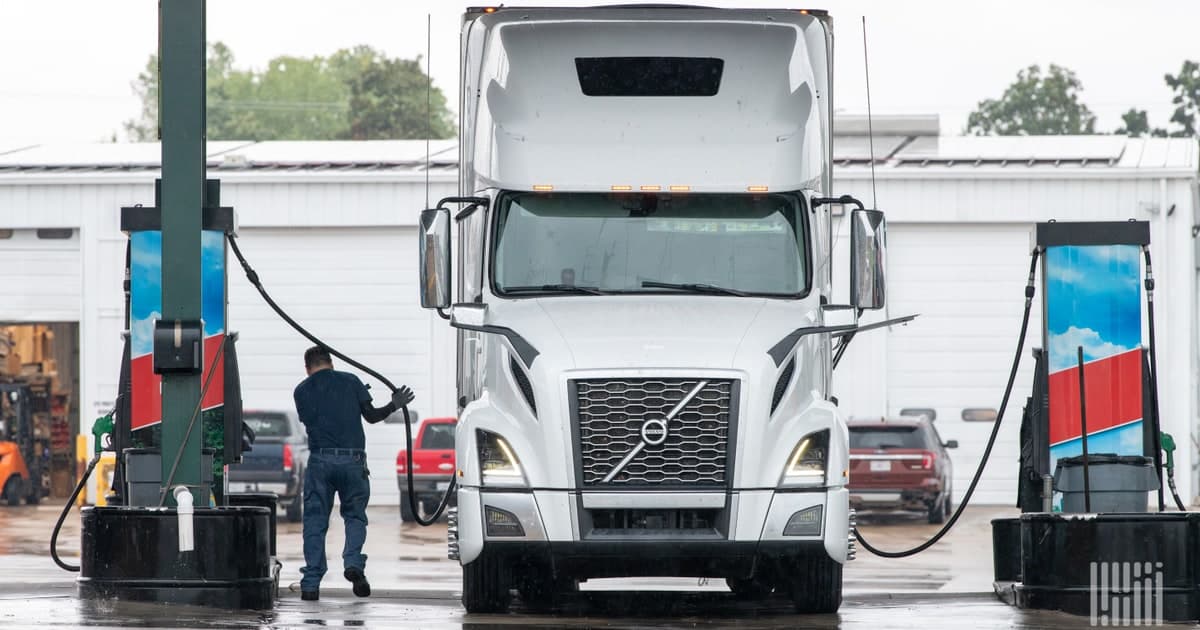
Carriers Say Diesel Still Sets the Trucking Baseline
Transport Topics' Top 100 for-hire survey found carriers still treating diesel as the default heavy-duty fuel, even as they test renewable diesel, CNG, battery-electric trucks, and hydrogen. Cost, range, infrastructure, and uptime remain the deciding issues.
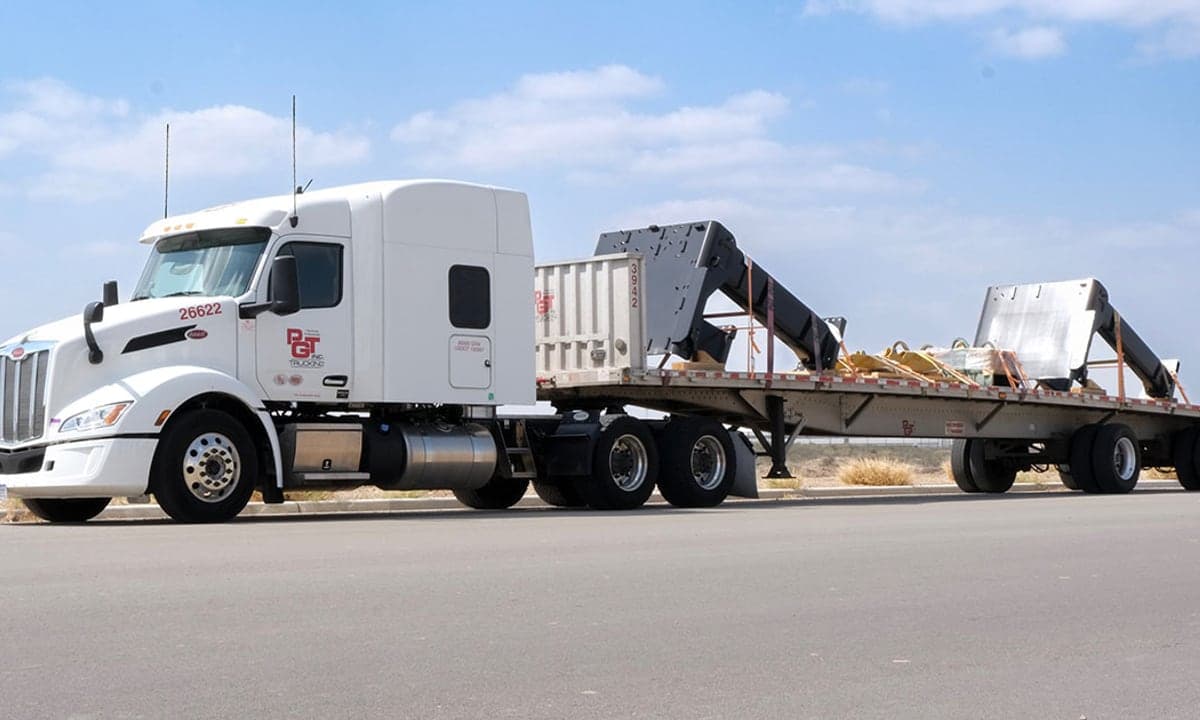
Diesel remains the default
Large and midsize for-hire carriers still expect diesel to carry most heavy-duty trucking work for years, according to Transport Topics' annual Top 100 for-hire carrier survey.
The survey responses landed in a messy moment for equipment planning. Federal greenhouse gas and EV mandates have shifted, stricter 2027 NOx limits are still approaching, and fuel volatility remains a budget risk for fleets.
What carriers are testing
The common thread was not anti-technology. It was operational fit. Carriers cited cost, range, charging availability, payload trade-offs, and total cost of ownership as the reasons battery-electric and hydrogen trucks still have narrower use cases.
Several fleets pointed to renewable diesel, biodiesel, and natural gas as nearer-term options because they can fit more easily into existing operations. Others are piloting electric trucks where grants, depot charging, and duty cycles make the math work.
NFI, for example, reported more than 100 battery-electric Class 8 tractors and yard tractors across East and West Coast operations. Other carriers described electric straight-truck tests, Tesla Semi pilots, CNG use, and continued fuel-economy improvements on diesel equipment.
The fleet angle
The clearest signal is that fleets are moving toward mixed powertrain strategies rather than one universal replacement for diesel. Regional and drayage lanes may electrify faster. Longhaul, high-utilization, cold-weather, and cross-border freight still depends heavily on diesel's range and infrastructure.
For fleet managers, the planning question is becoming more specific: which lanes, customers, incentives, and facilities can support an alternative powertrain without sacrificing uptime? The answer will vary by operation.