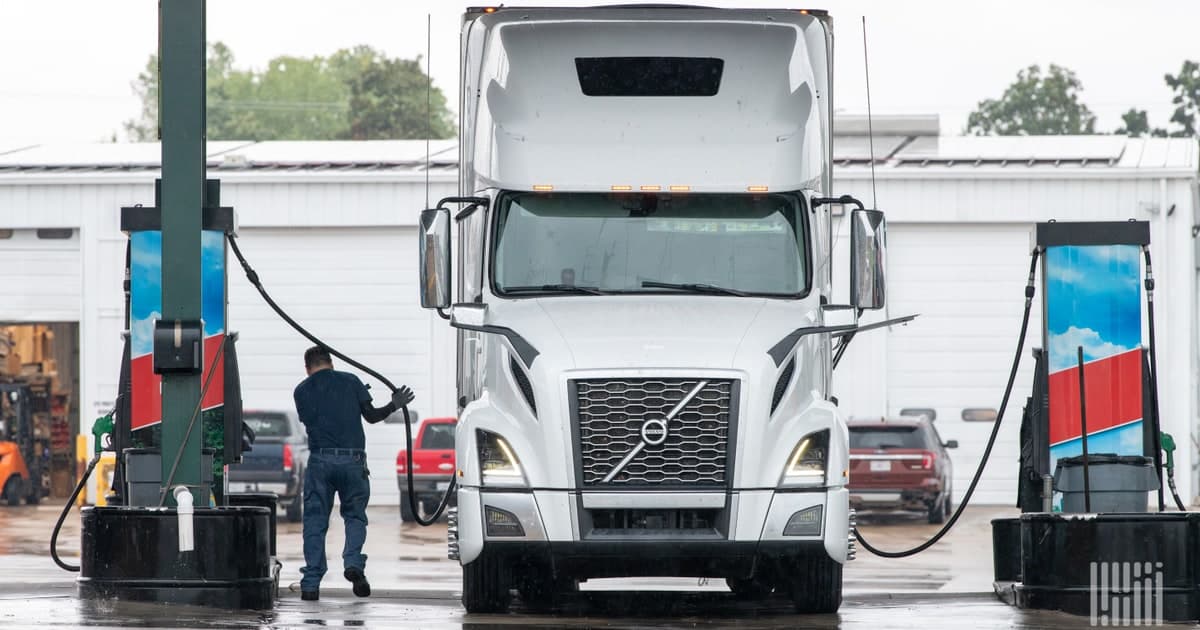
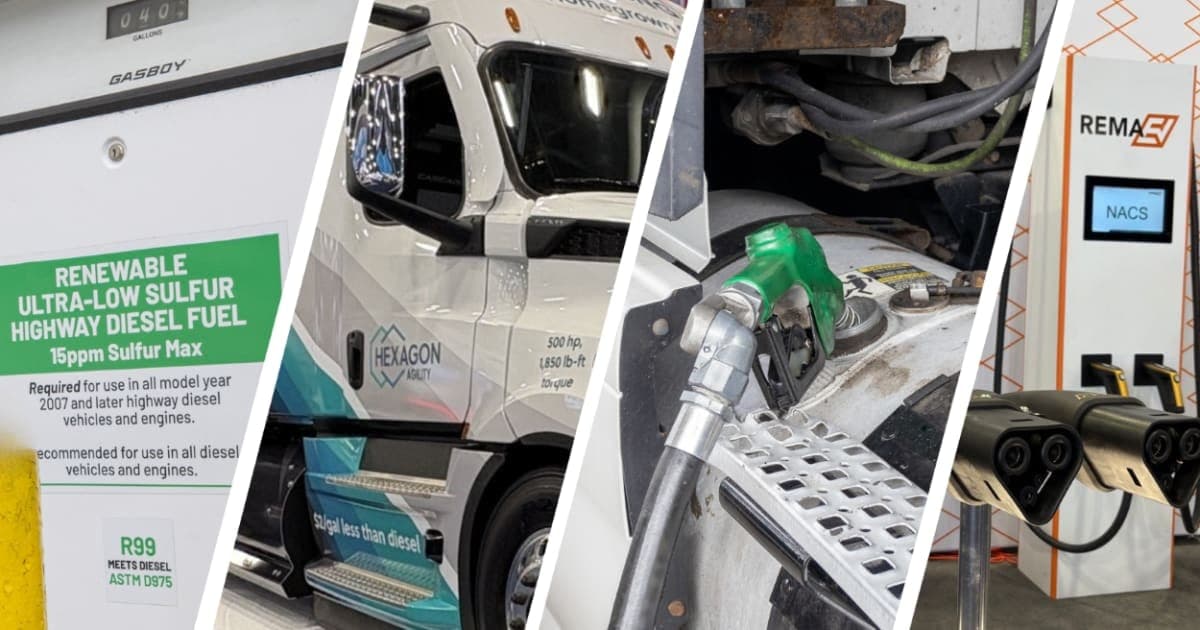
Fuel Prices Hit August Highs for Fleets
AAA data cited by Transport Topics put gasoline at $4 and diesel at $5.40 a gallon in the second week of August, adding late-summer pressure to fleet fuel budgets.
Diesel and Gasoline Set Seasonal Highs
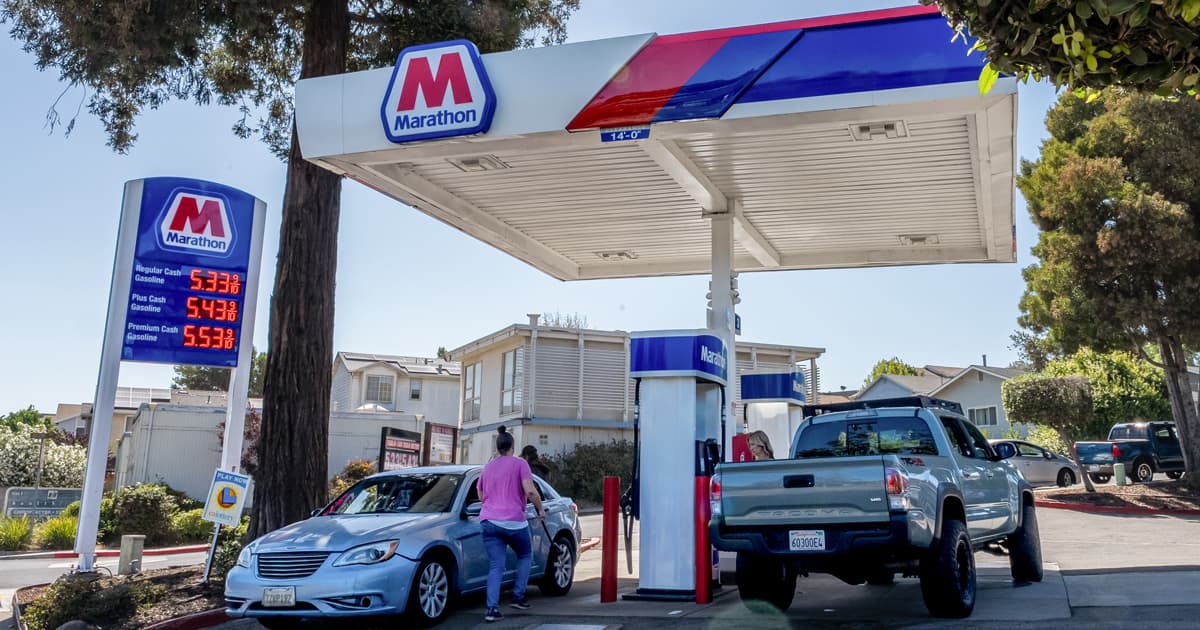
Gasoline and diesel prices reached record August levels in the second week of the month, putting another cost-pressure item back on fleet managers' dashboards. Transport Topics, citing AAA data, reported average prices of $4 per gallon for gasoline and $5.40 per gallon for diesel.
The year-over-year move is steep. At the same point last year, gasoline averaged about $3.20 per gallon and diesel about $3.70 per gallon. For mixed fleets, service fleets, municipal operations, and companies running both light-duty vehicles and diesel work trucks, that gap can show up quickly in fuel-card spend, job costing, and route economics.
Forecasts Still Point to Elevated Costs
The Department of Energy expects some easing later this year, but not a return to normal seasonal levels. Its forecast cited by Transport Topics puts gasoline around $4 per gallon this quarter before falling to $3.72 in the fourth quarter. Diesel is expected to stay just under $5 per gallon by year-end.
Supply remains part of the story. U.S. gasoline inventories were reported at their lowest level since November 2025, while global crude and refined-fuel supply has been pressured by conflict tied to Iran and Russia-Ukraine. That keeps fuel planning exposed even when headline inflation readings appear softer.
Why It Matters for Fleet Budgets
Fuel is one of the few fleet expense lines that can change materially within a single budget cycle. Higher gasoline affects reimbursement programs, sales and service fleets, and any operation using light-duty pickups, vans, or SUVs. Higher diesel hits medium-duty and heavy-duty units, vocational equipment, and delivery networks.
The practical response is less about predicting the pump and more about tightening controllables: idle time, route design, fuel-card exception reporting, preventive maintenance, and vehicle assignment. If prices stay near these levels into the fourth quarter, fleets that budgeted from last year's run rate may need a midyear adjustment rather than waiting for 2027 planning.