North Carolina Fuel-Tax Pause Changes Fleet Receipts
North Carolina set its motor fuel excise tax to zero through Nov. 30, creating a short-term fuel-card, reimbursement and dyed-diesel audit item for fleets operating in the state.
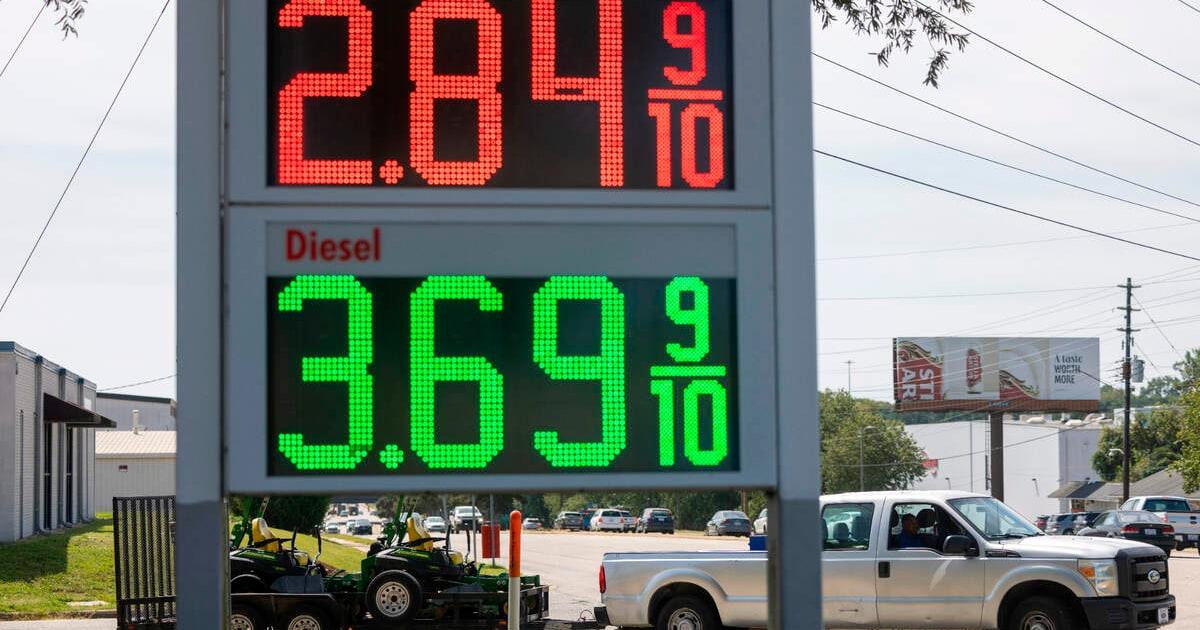
State fuel tax drops to zero
North Carolina has temporarily suspended its motor fuel excise tax after Gov. Josh Stein signed Session Law 2026-62 on Oct. 9, according to the North Carolina Department of Revenue.
The notice says the state tax rate is 0 cents per gallon or gallon equivalent from Oct. 10 through Nov. 30, 2026, for gasoline, diesel and alternative fuel. The state had previously listed the 2026 motor fuels and alternative fuels excise tax rate at 41.0 cents per gallon.
Dyed diesel gets a separate window
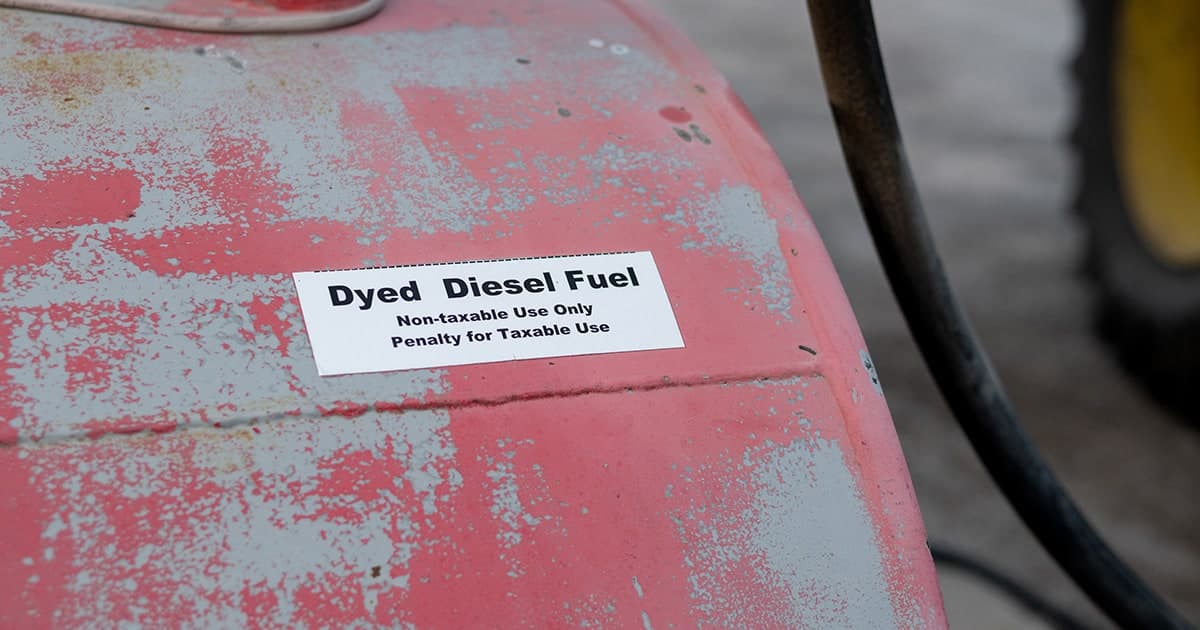
The same law also waives certain civil and criminal penalties tied to highway use of dyed diesel for farming or agricultural purposes in North Carolina. NCDOR says that relief runs through Dec. 31, 2026, and that some dyed-diesel highway use requires an exemption certificate from the department.
That distinction matters because the general tax suspension and the dyed-diesel enforcement relief do not end on the same date. Fleets should avoid turning a short-term fuel-price headline into a blanket assumption about tax handling, dyed fuel or documentation.
What fleet teams should check
For fleets buying fuel in North Carolina, the near-term work is mostly administrative. Fuel-card administrators should confirm that invoices, pump receipts, exception reports and pass-through calculations reflect the temporary rate correctly. Reimbursement programs and chargeback models may also need a short note for managers and drivers.
Mixed-state fleets should pay special attention to trips that cross into or out of North Carolina during the suspension window. The tax change may affect local pump economics, but it does not remove the need to reconcile fuel purchases, IFTA reporting inputs, internal cost centers or customer billing rules. Treat the pause as a receipt-review item, not just a cheaper-fuel story.