DOE Plans 315,000-Barrel Diesel Reserve Loan
The Energy Department plans to loan 315,000 barrels from the Northeast Home Heating Oil Reserve as diesel prices average about $6.32 a gallon. The action is temporary, but it puts fuel-cost controls back on the operating agenda.
Emergency reserve loan targets a short-term disruption
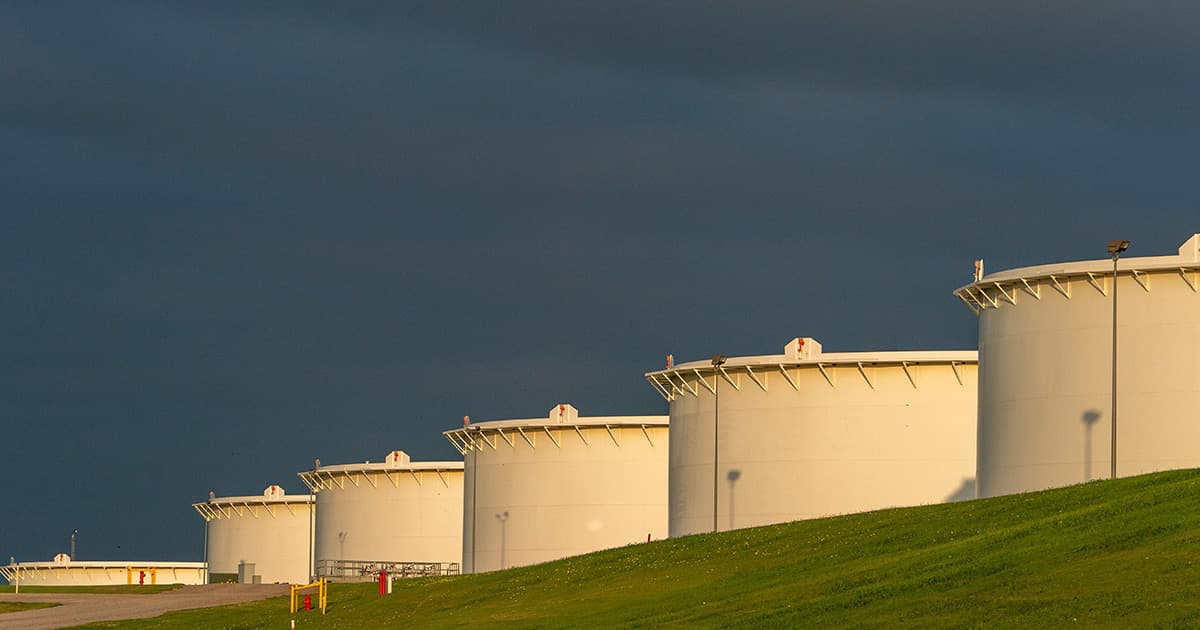
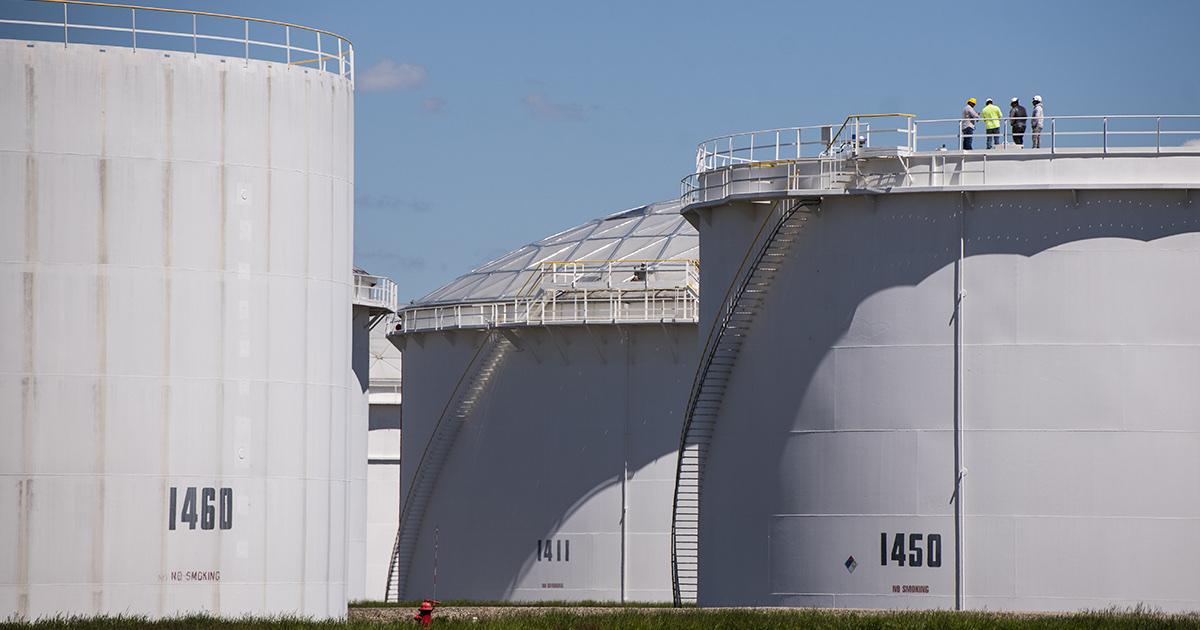
The U.S. Department of Energy plans to loan 315,000 barrels from the one-million-barrel Northeast Home Heating Oil Reserve, according to an Oct. 21 statement reported by Transport Topics. Deliveries are scheduled to be completed by Nov. 13.
The reserve is held in commercial storage facilities across the Northeast and was created to provide roughly 10 days of supply while additional heating oil moves from the Gulf Coast to New York Harbor. Energy Secretary Chris Wright described the loan as a temporary response to a temporary supply disruption.
Diesel costs are the immediate fleet issue
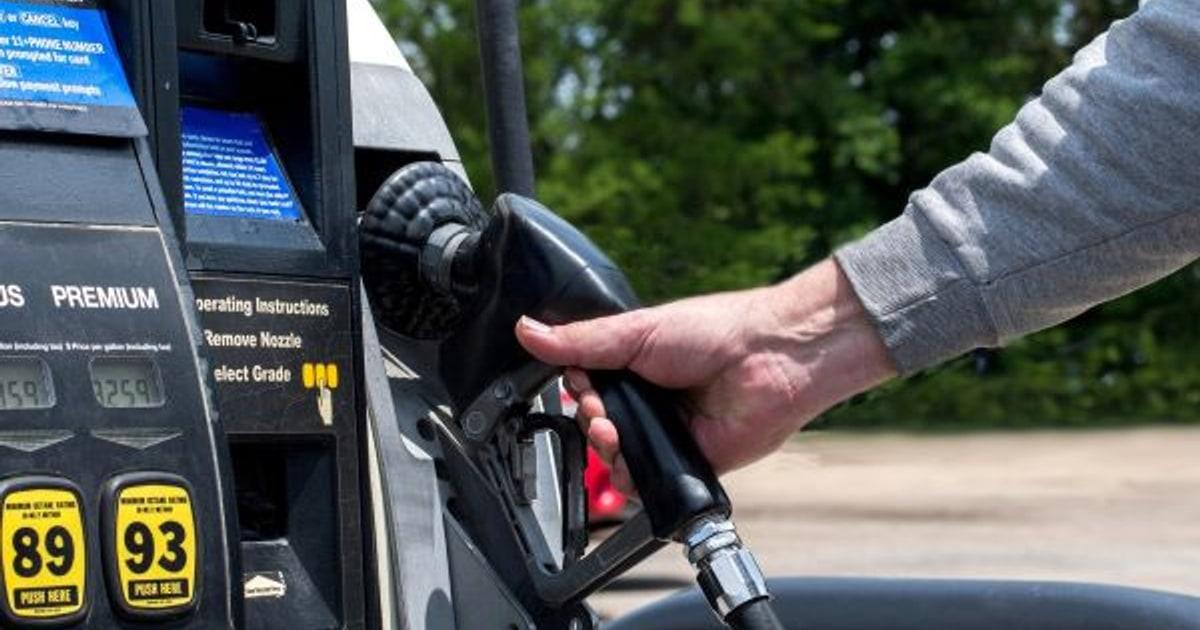
AAA data cited by Transport Topics put average diesel at about $6.32 per gallon as the federal action was announced. The reserve is aimed at heating-oil supply rather than a dedicated commercial-fleet release, so operators should not read the announcement as a direct discount program. It is still relevant to fleet budgets because regional supply pressure and wholesale fuel volatility reach pump pricing quickly.
For mixed fleets, a higher diesel environment can affect more than fuel-card spend. It can alter rental and contractor costs, maintenance scheduling, route choices and the timing of idling-reduction or fuel-efficiency projects.
Practical next step for fleet managers
Now is a good time to confirm daily fuel-price visibility, review exception thresholds and make sure field teams know who owns fuel-card and receipt escalation. The federal release may relieve some near-term pressure, but the operating response is still the same: measure the variance by region, separate price movement from consumption changes and avoid treating a short-term government action as a permanent fuel-cost reset.