Falling Gas Prices Still Leave Fleet Fuel Budgets Exposed
AAA says the national gasoline average fell 6 cents to $4.27 a gallon, but crude near $100 a barrel is limiting relief and keeping fleet fuel budgets under pressure.

A cheaper week does not settle the cost picture
The national average for regular gasoline fell 6 cents in the past week to $4.27 a gallon, according to AAA data cited by Fleet Management Weekly. Winter-blend gasoline costs less to produce, helping bring pump prices down as the seasonal fuel transition begins.
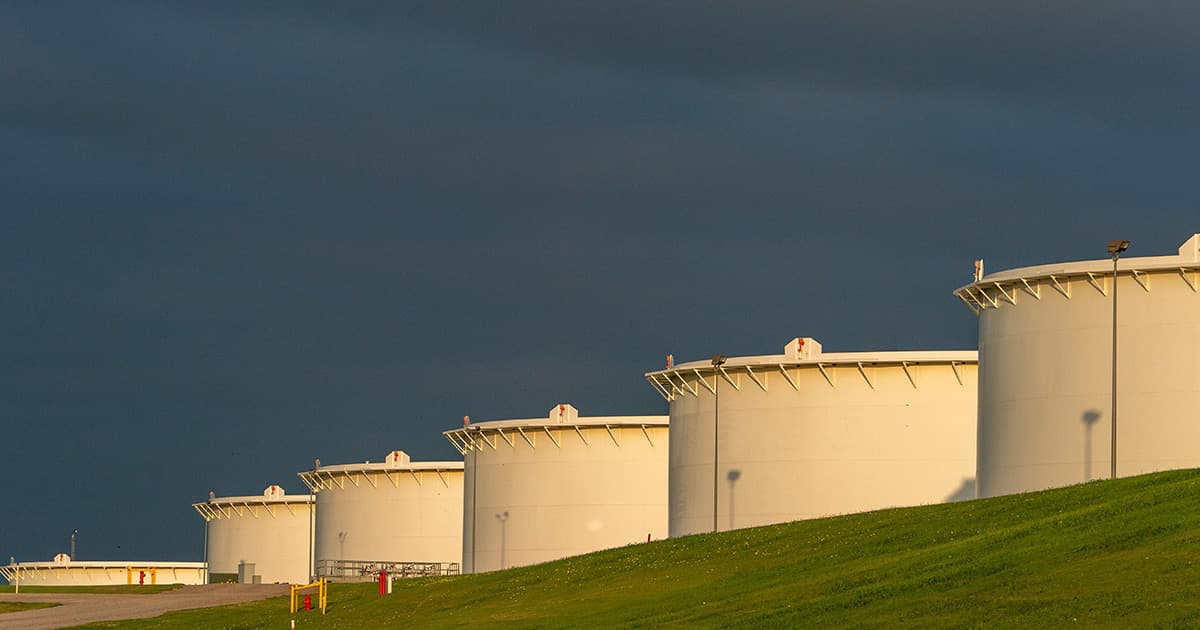
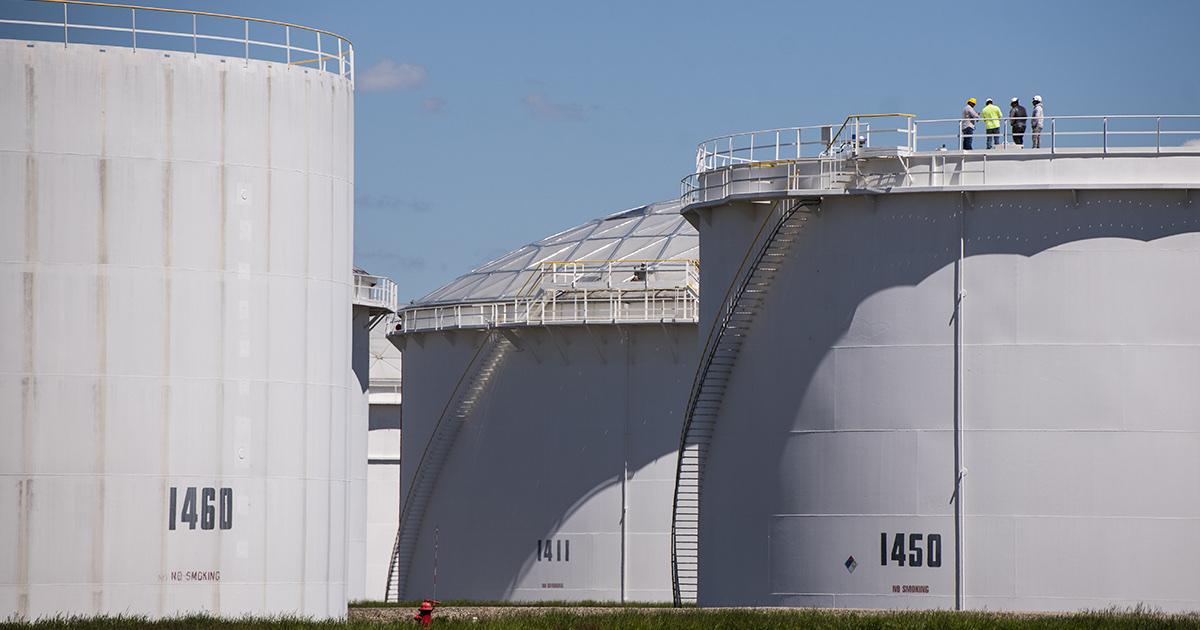
That relief has limits. Crude oil is nearing $100 a barrel amid instability around the Strait of Hormuz, and the publication says October is on pace to become the most expensive October on record for gasoline after record months in August and September.
Why fleet teams should keep the forecast open
For fleet operators, a weekly decline is useful but not a reason to relax fuel controls. The gap between a lower retail average and a durable cost trend can close quickly when crude remains elevated. Teams should keep watching contract pricing, fuel-card reports and reimbursement assumptions rather than treating the seasonal blend change as a new baseline.
Electric charging costs have not offered a fresh offset in the cited data: the national public-charging average held at 41 cents per kilowatt-hour for the week. That leaves both gasoline and EV operating costs on the same budgeting agenda for mixed fleets.
A simple operating response
Finance and operations leaders can use the next few fuel-card cycles to compare actual spend with budget assumptions, flag higher-cost markets and revisit discretionary mileage where appropriate. The immediate story is not a supply emergency. It is a reminder that short-term price improvement and persistent commodity risk can exist at the same time.