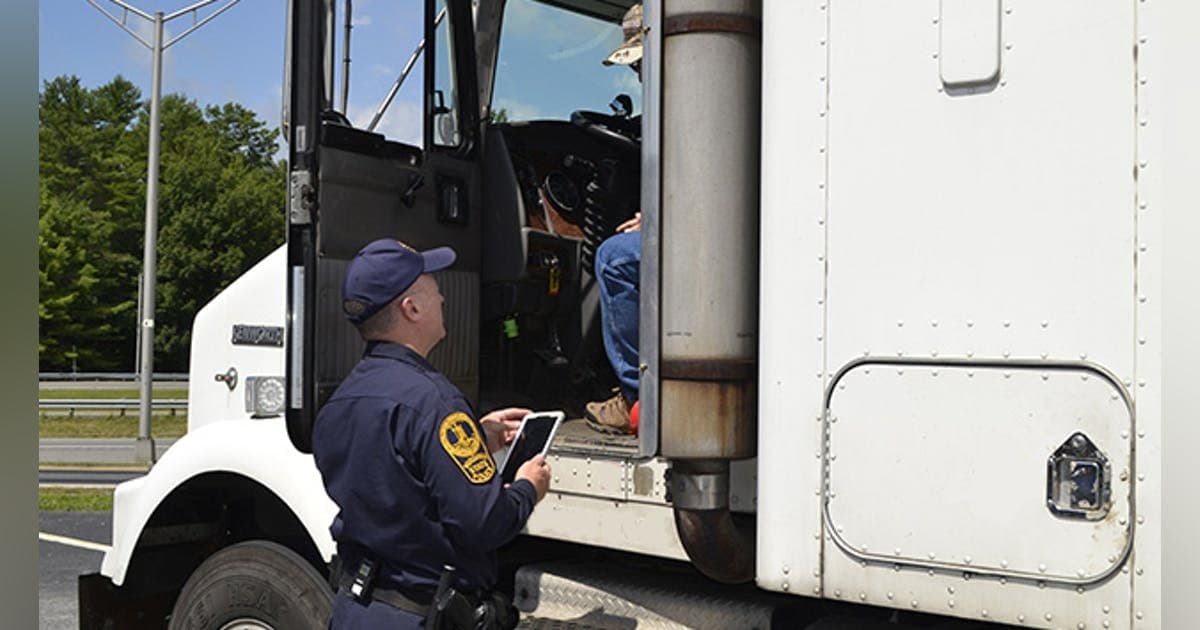
FDA Clears Drug-Testing Rule for Oral Fluid
FDA's Oct. 6 final order removes the 510(k) premarket notification requirement for certain clinical toxicology test systems used in federal drug testing programs.
510(k) Requirement Removed
The Food and Drug Administration finalized an order on Oct. 6 that removes the 510(k) premarket notification requirement for certain class II clinical toxicology test systems used in federal drug testing programs.
NDASA said the order takes effect immediately and removes the largest regulatory barrier that had kept oral-fluid testing from moving into practical use for DOT-regulated and other safety-sensitive employers. The change follows a May proposal and a public comment period that drew roughly 70 responses, most in support, according to NDASA.
DOT Testing Still Needs Certified Labs
The final order does not by itself launch DOT oral-fluid testing for every fleet. NDASA noted that implementation remains dependent on HHS certifying at least two laboratories for oral-fluid testing, one primary and one secondary.
The Federal Register order says FDA is expanding 510(k) exemptions for covered clinical toxicology test systems to include devices intended for federal drug testing programs. The agency also emphasized that exempt devices remain subject to other applicable requirements, including quality, labeling and reporting rules.
Why Fleets Should Watch
DOT authorized oral fluid as an alternative drug-testing method more than three years ago, but implementation has been waiting on the lab-certification path. Once that piece is in place, fleets could have another collection method for random, post-accident, reasonable-suspicion and follow-up testing.
Oral fluid may be easier to observe than urine collection and harder to substitute, but fleet policies should not change overnight. Compliance teams still need collector training, lab availability, MRO processes, vendor readiness and updated driver communications before the method moves from policy to day-to-day practice.