FMCSA DataQs Reform Changes How Fleets Challenge Safety Records
FMCSA says every state, Washington, D.C., and the territories has implemented its reformed DataQs process, giving motor carriers a clearer path to challenge safety data they believe is wrong.
All jurisdictions have adopted the new review process
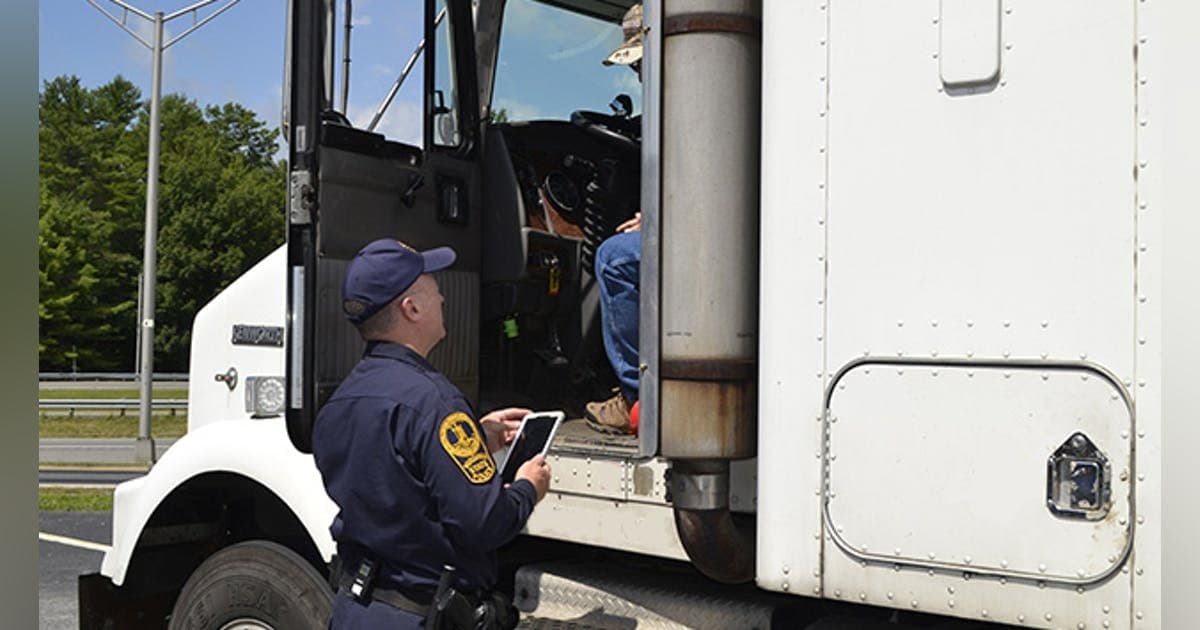
FMCSA said Oct. 15 that all 50 states, Washington, D.C., and U.S. territories have implemented the agency's reformed DataQs review process. DataQs is the channel drivers and motor carriers use to ask that safety information be reviewed when they believe an inspection, crash, or other record is inaccurate.
The update matters because the records at issue can affect how a commercial fleet is viewed by enforcement agencies, insurers, customers, and prospective drivers. FMCSA described the revised approach as clearer, fairer, and more timely for challenges to disputed safety information.
What changed for a fleet compliance team
The federal requirements were announced in April as part of the Motor Carrier Safety Assistance Program grant framework. The rollout put a more consistent process behind state handling of DataQs requests, rather than leaving fleets to navigate materially different expectations from one jurisdiction to another.
All 50 states, D.C., and the territories now meet the updated requirements, according to FMCSA. That does not make every challenge successful, but it gives a fleet a defined path for assembling evidence, tracking the review, and seeking a correction when a record does not match the underlying facts.
Why the timing matters
For fleets, the practical move is to make disputed-record review part of the post-inspection workflow. Preserve inspection reports, photos, repair records, driver statements, and any relevant system data while they are still easy to locate. A DataQs filing is strongest when the compliance team can point to the exact field that is wrong and the documentation that supports the correction.
The reform is not a reason to contest every unfavorable record. It is a reason to give legitimate discrepancies a disciplined review before they become embedded in a fleet's safety history.