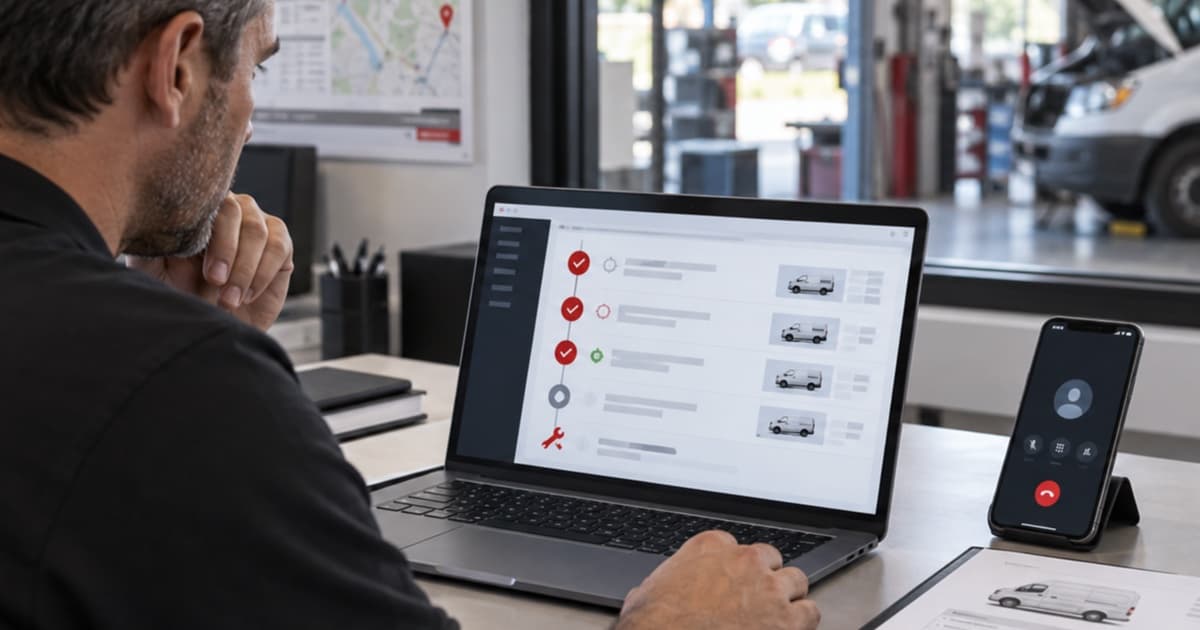
Fleet Industry Faces AI Revolution Amid Fuel Spike Challenges
While AI transforms fleet management operations, carriers struggle with diesel price volatility from Middle East conflicts, creating a challenging environment for fleet operators.

AI Transforms Fleet Operations as Industry Adapts
The fleet industry is experiencing a fundamental shift as artificial intelligence rapidly transforms traditional management practices, according to Geotab CEO Neil Cawse, who warns that fleet operators must "adapt or die" in the face of AI's reinvention of the sector. This technological revolution comes at a critical time when fleets are simultaneously grappling with significant operational challenges, from fuel price volatility to sustainability pressures.
The integration of AI into fleet operations is accelerating across multiple platforms, with companies like Geotab, Samsara, and Motive leading the charge in deploying intelligent systems for everything from predictive maintenance to driver safety. Operational platforms such as Proaction and Fleetio are incorporating AI-powered analytics tools that transform raw fleet data into actionable insights, helping managers optimize everything from total cost of ownership to maintenance scheduling.
Fuel Price Volatility Creates Operational Headwinds
Despite technological advances, fleet operators are facing immediate economic pressures from surging diesel prices linked to Middle East conflicts. Mike Kucharski, vice president of refrigerated carrier JKC Trucking, reports that fuel price spikes are hitting carriers particularly hard as they struggle with already weak freight rates. The timing of these increases compounds existing operational challenges and threatens to squeeze margins across the industry.
The American Trucking Associations (ATA) is actively seeking feedback from motor carriers and drivers about fuel price effects, indicating the widespread nature of these concerns. This data collection effort suggests industry-wide monitoring of how volatile energy costs are impacting fleet operations and potentially informing policy recommendations. The dual challenge of rising operational costs and technological transformation is forcing fleet managers to carefully balance immediate financial pressures with long-term strategic investments.
Industry Consolidation and Technology Integration Accelerate
The competitive landscape continues to evolve through strategic acquisitions and partnerships, with Trafficmaster's recent acquisition of Fleet Management Solutions exemplifying the consolidation trend. Similarly, Bolt and Qualcomm have integrated their fleet management and workflow applications, demonstrating how technology providers are creating more comprehensive solutions for fleet operators.
These integration efforts reflect a broader industry push toward unified platforms that can handle multiple aspects of fleet operations. Companies like Platform Science, Trimble, and Omnitracs are expanding their offerings, while newer platforms such as Proaction are focusing on creating integrated operational layers that connect with existing telematics providers. The result is an increasingly sophisticated ecosystem of interconnected tools that promise greater efficiency but also require careful implementation planning.
Sustainability Focus Gains Momentum Despite Challenges
Heavy Duty Trucking's search for the top green fleets of 2026 highlights the industry's continued commitment to sustainability initiatives, even amid economic pressures. Fleet managers are being invited to showcase their environmental leadership through various programs and exclusive events, including the HDT Exchange Event, which focuses on fleet sustainability strategies and operational improvements.
The emphasis on green practices is driving innovation across the sector, from electric vehicle adoption to fuel efficiency optimization. Training resources, including comprehensive fleet management reference guides and specialized winter driving programs for light-duty fleets, are helping operators balance environmental goals with operational requirements. However, the current fuel price environment creates additional complexity for fleets trying to justify sustainability investments while managing immediate cost pressures.
As the industry navigates these multiple challenges, successful fleet operators will need to carefully balance technological adoption, cost management, and sustainability goals. The companies that can effectively leverage AI-powered tools while maintaining operational efficiency during volatile market conditions are likely to emerge as leaders in this rapidly evolving landscape. Fleet managers must stay informed about both technological developments and market conditions to make strategic decisions that position their operations for long-term success.