Fleet Tech Surge Drives Innovation as Regulatory Changes Loom
New partnerships and platform launches reshape fleet operations while sustainability initiatives and regulatory reforms gain momentum across the industry.

Technology Integration Accelerates Fleet Operations
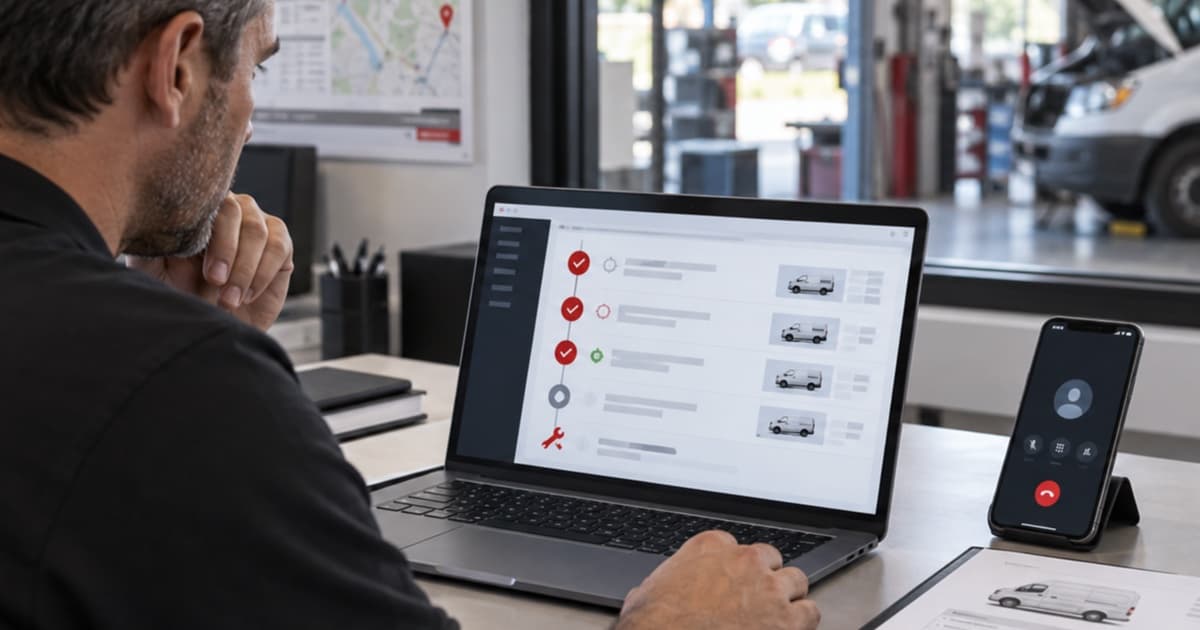
The fleet management technology landscape is experiencing rapid consolidation and innovation, with several major partnerships and product launches reshaping how operators manage their vehicles and drivers. TMW Systems has integrated its TMT Fleet Maintenance platform with Decisiv's Service Relationship Management (SRM) system, creating a more streamlined approach to vehicle servicing and vendor management across commercial fleets.
Similarly, Vehicle Tracking Solutions has partnered with Bestpass to deliver an integrated toll management platform, addressing one of the most complex operational challenges facing long-haul carriers. These partnerships reflect a broader industry trend toward unified platforms that can handle multiple fleet functions through single interfaces.
Netradyne has launched its Driver-i One platform, designed to consolidate fleet management and safety operations into a comprehensive solution. The platform represents the growing demand for integrated systems that can handle everything from driver coaching to compliance monitoring. Meanwhile, companies like Proaction, Fleetio, and Decisiv continue to compete in the operational backbone space, with platforms that integrate with existing telematics providers while offering specialized workflow management capabilities.
Sustainability Focus Intensifies
Environmental initiatives are taking center stage as Heavy Duty Trucking launches its search for the Top Green Fleets of 2026, highlighting the industry's increasing focus on sustainability metrics and carbon footprint reduction. This recognition program comes as Fleet Advantage introduces its EV Path Program, designed to help carriers transition to electric vehicle operations through structured planning and financial modeling.
The sustainability push extends beyond just vehicle electrification, encompassing fuel efficiency improvements, route optimization, and comprehensive environmental impact measurement. Fleet managers are increasingly being asked to demonstrate measurable progress toward sustainability goals, driving demand for analytics platforms that can track and report on environmental metrics alongside traditional operational KPIs.
These initiatives reflect broader market pressures from customers, regulators, and investors who are demanding greater transparency around environmental impact. The green fleet recognition program is expected to showcase best practices that other operators can adopt to improve their own sustainability profiles.
Data Analytics and Professional Development Emerge as Key Differentiators
Fleet management platforms are increasingly incorporating advanced analytics capabilities, with Dossier adding comprehensive audit trail functionality for enhanced fleet management tracking. This development addresses growing compliance requirements and the need for detailed operational documentation across various regulatory frameworks.
Professional development within the fleet industry is also gaining attention, with analysis showing that education investments are paying significant dividends for fleet professionals. The data suggests that operators with formal fleet management training and continuing education are better positioned to leverage new technologies and navigate increasingly complex regulatory environments.
The emphasis on data-driven decision making is transforming how fleet managers approach everything from maintenance scheduling to driver performance management. Platforms that can provide actionable insights from operational data are becoming essential tools for competitive fleet operations, particularly as margins remain tight across many transportation sectors.
Regulatory Landscape Shifts Signal Major Changes Ahead
Significant regulatory developments are reshaping the operational environment for commercial fleets, with the House passing legislation to create a National Motor Carrier Administration. This proposed restructuring of federal oversight could have far-reaching implications for how fleets manage compliance, safety protocols, and operational reporting requirements.
The regulatory changes come as the industry continues to recover from previous economic challenges, with survey data indicating a slow rebound in equipment purchases that began in 2008 and continues to influence fleet investment patterns. Many operators remain cautious about major capital expenditures while simultaneously trying to modernize their operations to meet new regulatory and customer requirements.
Industry consolidation continues with M.S. Carriers' announced acquisition of a Wisconsin-based company, reflecting ongoing efforts by larger operators to expand their geographic footprint and service capabilities. These mergers and acquisitions often drive technology standardization across previously separate operations, creating new opportunities for integrated platform providers.
Fleet managers should prepare for a period of significant regulatory adaptation while continuing to invest in technology platforms that can provide the operational visibility and compliance documentation required in this evolving environment. The successful operators will be those who can balance regulatory compliance with operational efficiency and sustainability goals.