International Sales Rebound Signals Truck Order Shift
International Motors' third-quarter truck and bus sales jumped 48%, giving fleets another sign that North American commercial-vehicle demand is moving into a stronger order cycle.
Q3 reverses the first-half drag
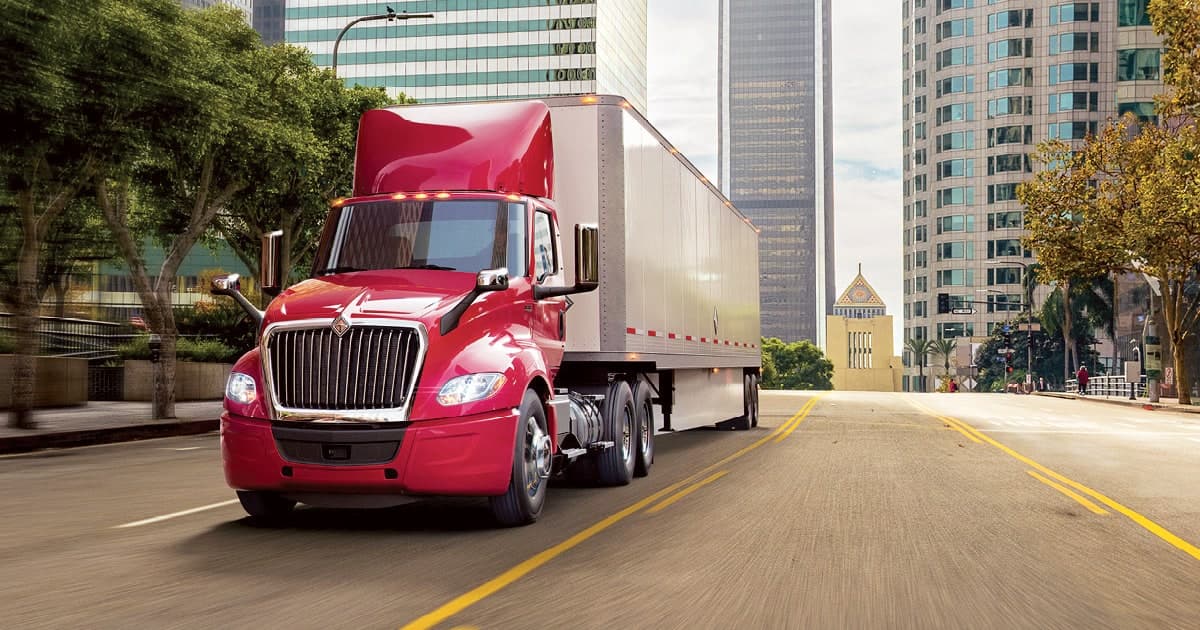
International Motors sold 19,900 trucks and buses in the third quarter of 2026, up 48% from 13,400 vehicles a year earlier, parent company Traton Group said Oct. 12.
The rebound also represented a 22.8% increase from the second quarter. Traton said recovering U.S. customer demand helped International more than offset the company's first-half decline. Through the first nine months of 2026, International sales reached 49,400 vehicles, up 3% from 48,000 in the same period last year.
Production is moving too
The sales recovery is showing up in manufacturing data. Transport Topics reported that International's Escobedo, Mexico, plant built 4,015 trucks in September, more than double the 1,895 vehicles built in September 2025, according to Mexican government data. The plant produced 4,525 trucks in August, also more than twice the year-earlier level.
International has been looking to increase its share of North American Class 8 sales while planning cab updates across its on-highway portfolio. The company has also discussed adding a second shift at its San Antonio assembly plant, which builds Classes 6-8 diesel and electric vehicles.
What fleets should watch
For fleet buyers, the headline is not only that sales improved. It is that stronger demand is arriving as manufacturers manage order boards, regulatory uncertainty and plant capacity. Transport Topics noted that International's results followed a similar Q3 jump at Daimler Truck North America, while Class 8 order data from FTR and ACT Research showed mixed September readings.
That combination matters for replacement planning. A stronger order cycle can improve availability, but it can also tighten production slots if buyers move quickly into 2027 planning. Fleets with medium-duty, heavy-duty or school-bus needs should pressure-test lead times, chassis availability and build-slot commitments before assuming the market has fully loosened.