K&B Uses AI Cameras and Geofencing to Tighten Fleet Safety
K&B Transportation's safety director Lance Evans, a former commercial vehicle enforcement officer, is using multi-camera systems, AI coaching, and geofenced speed controls to manage distracted driving and liability risk.
A Safety Program Built Around What the Data Shows
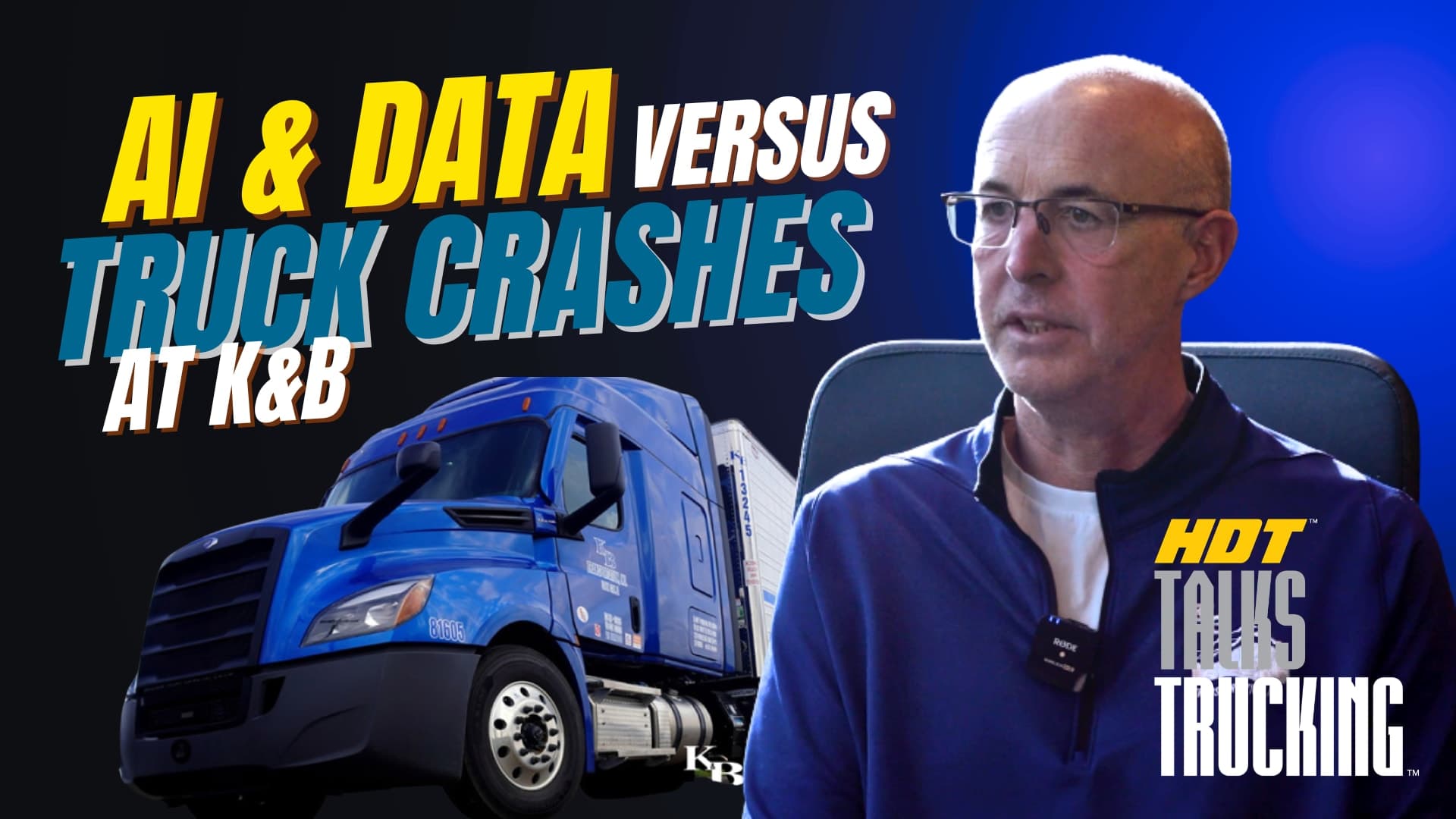
K&B Transportation is using AI-supported cameras, speed controls, and geofencing as part of a broader safety push led by Lance Evans, the carrier's director of safety and a former commercial vehicle enforcement officer.
Evans discussed the program with Heavy Duty Trucking's Deborah Lockridge, framing the technology less as a dashboard exercise and more as a way to see what is actually happening on the road. The episode focused on distracted driving, driver coaching, and the balance between safety investment and driver acceptance.
Cameras, Coaching, and Speed Management
The K&B program uses multi-camera systems to identify risky behaviors and support driver coaching. HDT's summary points to distracted driving as one of the carrier's central concerns, with AI helping safety teams review incidents and patterns that would be hard to manage manually at scale.
Speed management is another piece of the system. K&B is using geofencing to control speed in targeted areas, giving the fleet a way to manage risk around specific roads, customer locations, or operating environments instead of relying only on blanket policies.
Why It Matters for Fleets
The interesting part is not that cameras or AI exist. It is that K&B is putting them inside a practical safety workflow: identify behavior, coach the driver, document the decision, and reduce exposure before a crash or claim happens.
That matters as fleets face higher insurance scrutiny, more litigation risk, and tighter expectations around safety documentation. For operators, the takeaway is not that every tool needs to be bought at once. It is that safety data has to become usable enough for managers to act on it before a pattern turns into a loss.