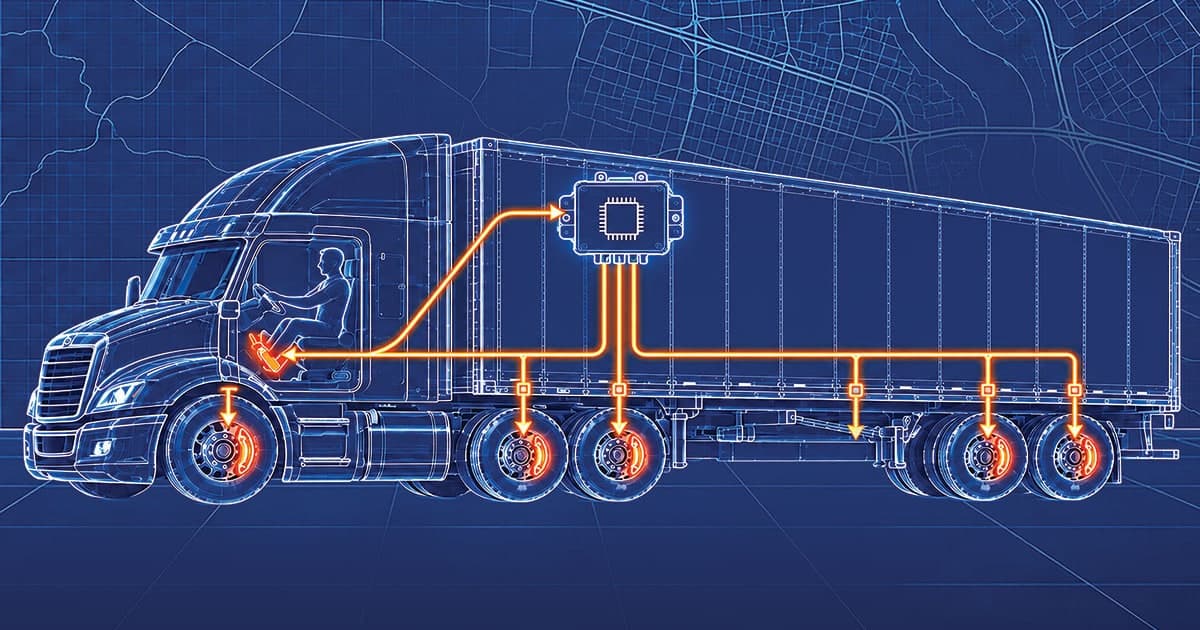
Mack Splits Chassis Coverage Into System Plans
Mack Trucks added four system-specific chassis coverage plans, giving fleets a way to target driveline, cab, HVAC, safety, electronics, and connected-vehicle repair exposure.
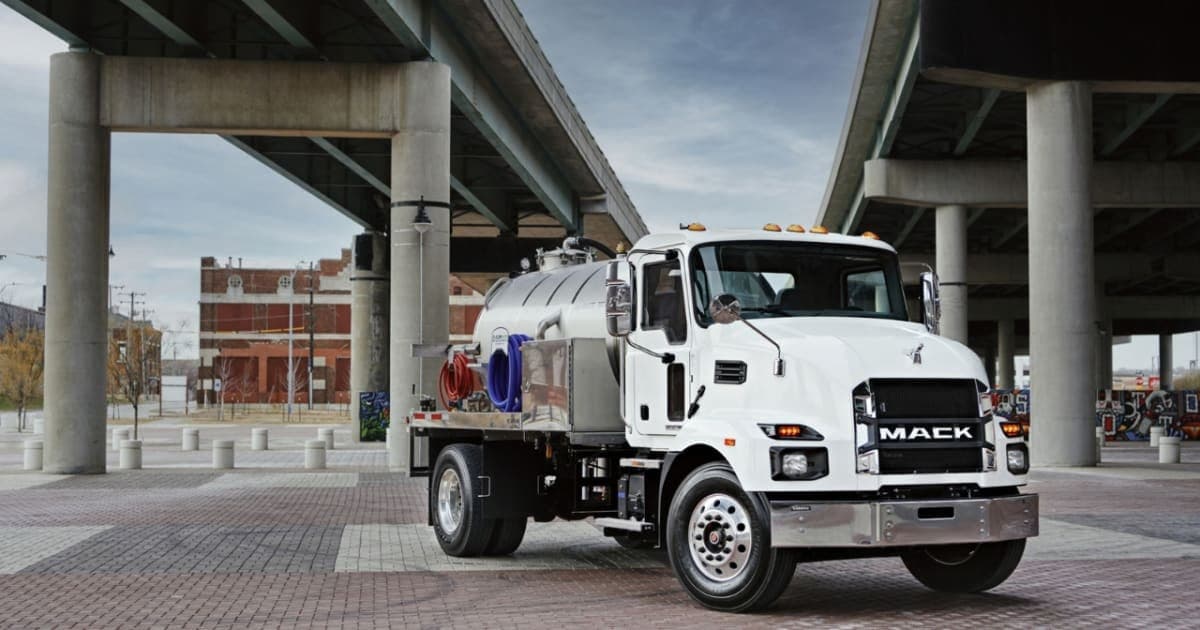
Mack Trucks has added four system-specific Chassis System Plans, giving fleets a more modular way to protect trucks against unexpected repair costs as vehicles get more electronically complex.
The new plans divide coverage into Driveline, Cab and Exterior, HVAC, and Safety and Vehicle Electronics. Customers can buy one plan, combine several, or continue with Mack's broader comprehensive Chassis Plan.
Coverage follows the systems fleets worry about
The Driveline Plan is aimed at components that transfer power and keep the truck moving. Cab and Exterior covers systems tied to structure, ride quality, braking, steering, and the driver environment. HVAC focuses on cab comfort.
The Safety and Vehicle Electronics Plan may be the most telling addition. Mack said it covers electrical and electronic components, connected-vehicle technology, and advanced safety systems, reflecting how much modern truck repair exposure now sits outside traditional mechanical parts.
Repair-cost predictability is the real product
Mack framed the plans as a response to customer demand for more flexible protection. Instead of buying broad chassis coverage for every exposure, a fleet can focus on systems that fit its duty cycle, age profile, or historical repair pattern.
That matters for vocational and work-truck fleets trying to manage downtime without overbuying warranty protection. A truck with heavy electronics exposure, for example, may need a different risk plan than a simpler unit where driveline or HVAC history drives the budget.
The fleet takeaway
The announcement is another sign that maintenance planning is moving from calendar service and broad warranties toward more specific asset-risk management. Fleets with reliable repair history can compare plan costs against actual claims, downtime patterns, and component failures by system.
For operators keeping trucks longer, modular coverage will be most useful when it is paired with disciplined maintenance data. The value is not just what a plan covers, but whether it matches the failures a fleet is most likely to see.