NHTSA Proposes Lighting Rules for Vehicles Without a Driver
NHTSA has proposed updates to federal lighting requirements for vehicles designed to operate only with automated driving systems. The proposal would clarify marker-lamp performance while revisiting controls built around a human driver.
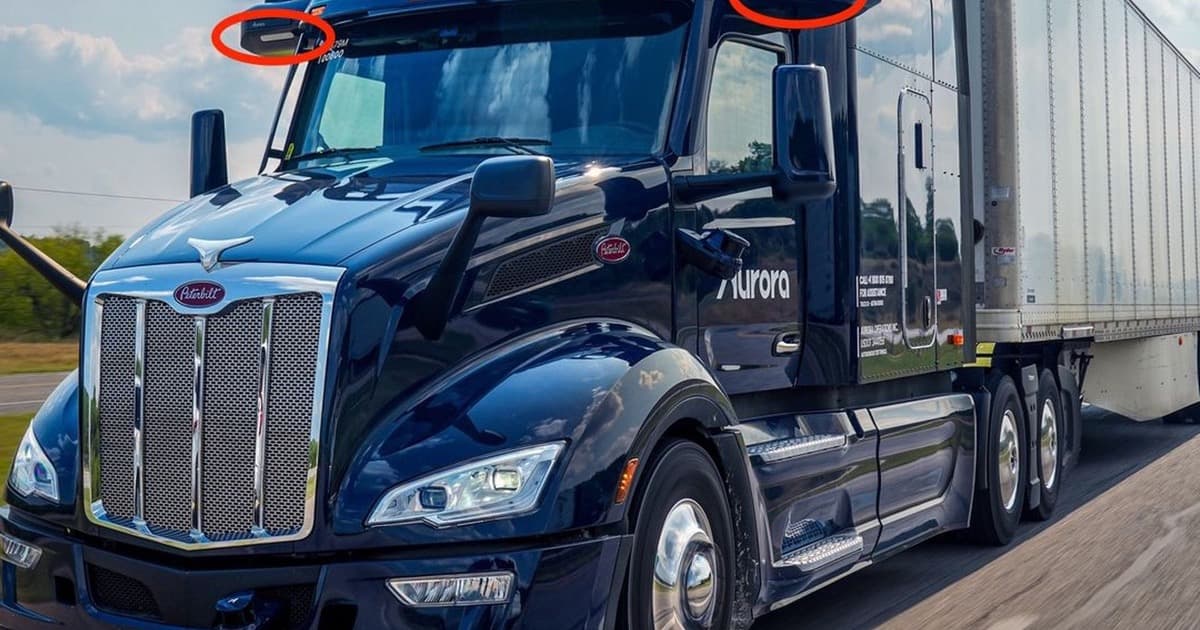
The National Highway Traffic Safety Administration has proposed updates to federal lighting requirements for vehicles designed to operate exclusively with an automated driving system.
The October proposal would modernize parts of Federal Motor Vehicle Safety Standard No. 108 that assume a person is sitting behind the wheel, including certain manual turn-signal, hazard-warning and beam-switching controls. It also proposes performance criteria for marker lamps intended to help identify automated-driving-system-equipped vehicles.
A rulebook built for different controls
Lighting rules are a practical issue for any vehicle operating on public roads, but conventional requirements were written around manual controls and familiar driver behaviors. NHTSA says the proposal is meant to remove requirements that do not fit a vehicle designed never to be driven by a human while retaining clear lighting-performance expectations.
The agency framed the action as part of its broader automated-vehicle work. This is a proposal, not a final rule, and fleets should avoid treating the changes as current operating requirements until the rulemaking process is complete.
What fleet operators should watch
For fleets testing or evaluating automated vehicles, the important questions are likely to be equipment specification, how other road users recognize an automated vehicle, and whether future lighting requirements affect vehicle selection or retrofit plans. Safety and compliance teams should monitor the final rule, any effective dates and whether requirements vary by vehicle type or operating design domain.