NHTSA Lighting Review Puts Glare on Fleet Watchlist
NHTSA is reopening vehicle-lighting standards with glare, adaptive beams and modern lamp technology on the table, giving fleets a safety and specification issue to watch.
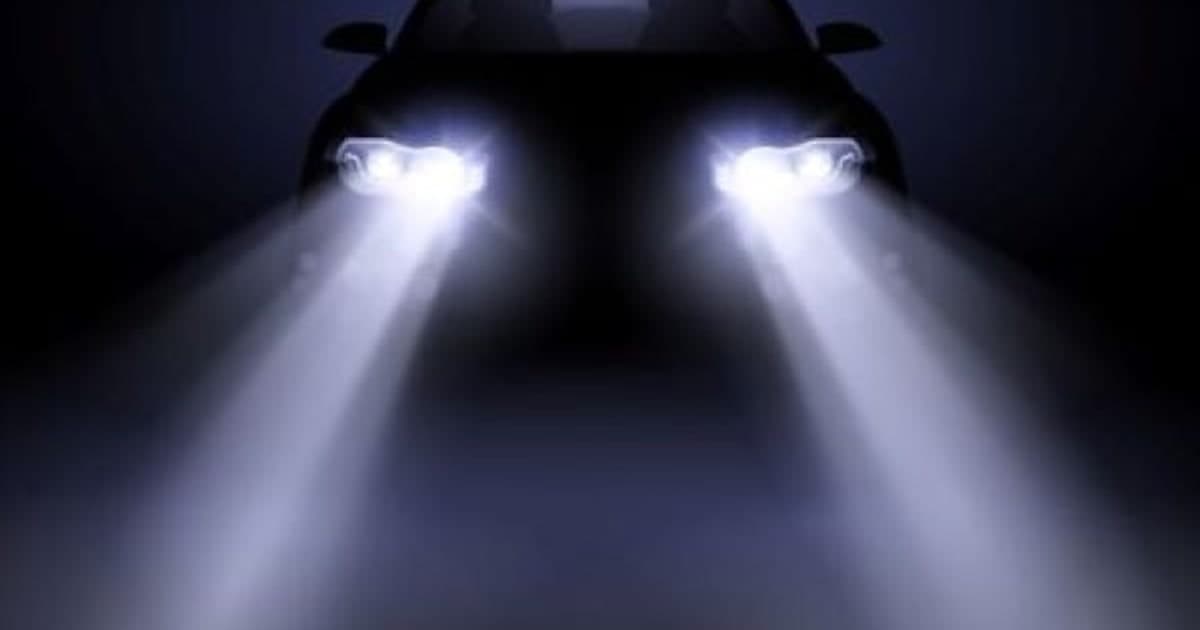
Lighting rules get a fresh review
NHTSA announced on Oct. 6 that it is moving to modernize federal vehicle-lighting standards, including rules that shape headlamps, beam switching, glare, replacement light sources and other equipment covered by Federal Motor Vehicle Safety Standard No. 108.
The agency said the current standards do not fully account for newer safety-improving lighting technologies. Its review is expected to bring regulators, automakers and other stakeholders into the same discussion around glare complaints, adaptive lighting, lamp test procedures and how U.S. rules line up with newer vehicle designs.
Why fleets should track it
For fleet operators, lighting is not just a retail-vehicle feature. It affects nighttime driver visibility, crash exposure, inspection readiness, replacement parts, upfit decisions and maintenance procedures. A rulemaking process around glare and modern headlamp systems could eventually change how fleets spec vehicles, repair damaged lighting assemblies and evaluate aftermarket replacements.
The practical question is whether new rules give automakers more room to deploy advanced lighting while keeping glare under control for other road users. That matters for service fleets, municipal fleets, utilities and delivery operations that run before dawn, after dark or in mixed urban traffic.
The timing is still early
The review does not change fleet requirements overnight. It is an early regulatory step, and the details will depend on the rulemaking process that follows. But it puts headlight glare and modern lighting technology into an active federal conversation instead of leaving fleets to treat the issue as a driver complaint or maintenance nuisance.
Fleet teams should watch for comment deadlines, OEM guidance and any later proposal that affects replacement lamps, adaptive beams or vehicle-order specifications. The first operational takeaway is simple: lighting may become a more active safety and compliance line item in future fleet planning.