Ryder Adds Six East Coast Fleet-Service Locations Through Acquisition
Ryder has acquired Efficiency Enterprises, adding six truck rental, leasing and maintenance locations and about 1,200 units to its East Coast network. The deal brings roughly 50 technicians into Ryder Fleet Management Solutions and is expected to add about $50 million in 2027 gross revenue.
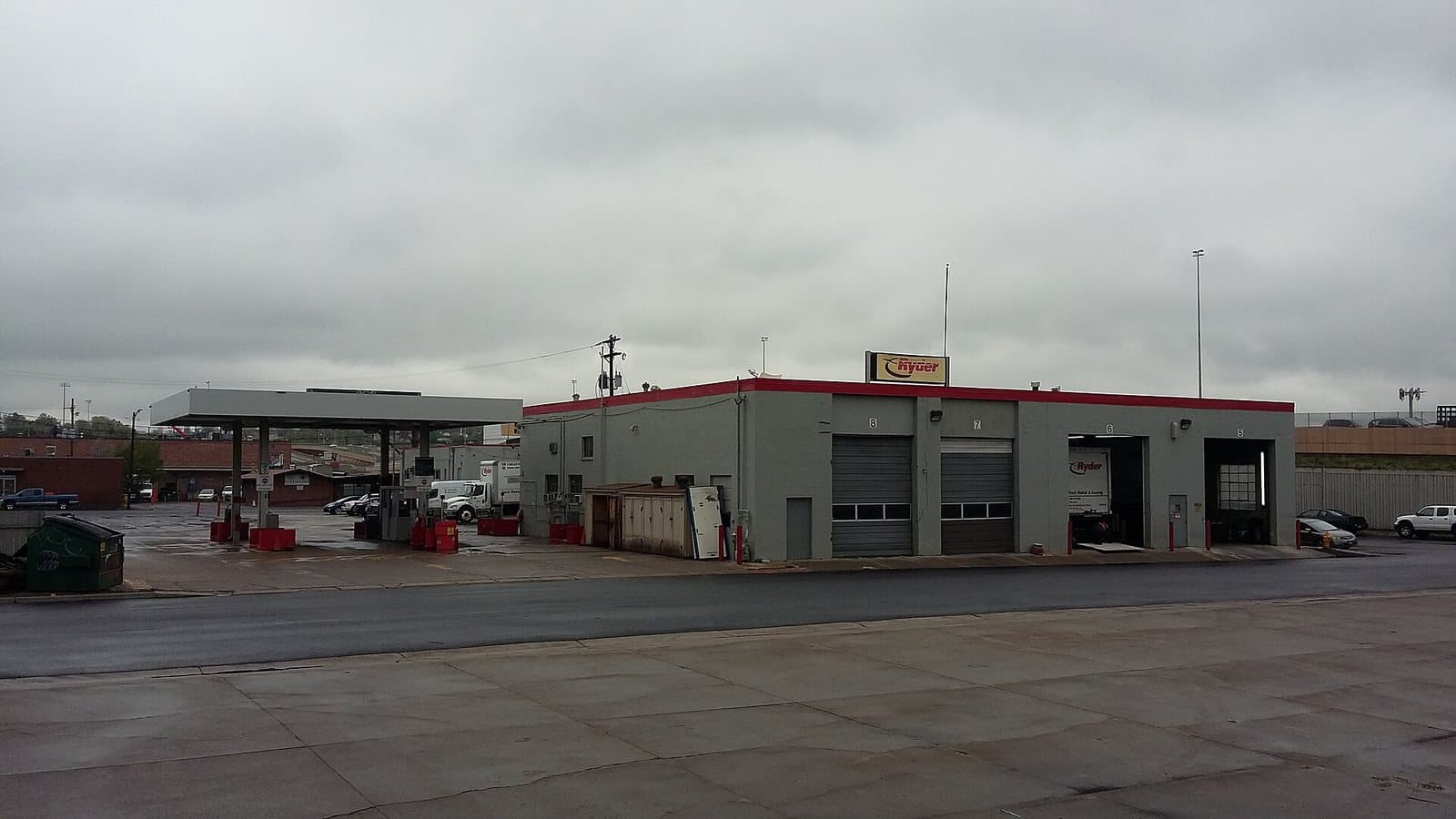
Ryder System has completed its acquisition of Efficiency Enterprises, adding six East Coast fleet-service locations, roughly 1,200 units and about 50 technicians to its Fleet Management Solutions business.
The transaction closed Nov. 1. Ryder did not disclose the purchase price, but says it expects the acquired operation to contribute approximately $50 million in gross revenue in 2027.
Six locations join the network
The acquired locations are in Orlando, Tampa and Fort Myers, Florida; Astoria, New York; Baltimore, Maryland; and Middletown, Delaware. They expand Ryder's truck rental, leasing and maintenance coverage in markets where customers may need shop access, replacement equipment or local support across several states.
Efficiency Enterprises operates across trucks, trailers and material-handling equipment. Its fleet includes more than 900 power and trailer units plus more than 200 pieces of material-handling equipment, according to Ryder.
Integration is the next operating test
Ryder says the business will be integrated into its network through the remainder of 2026, with Efficiency Enterprises president Richard Barbato Jr. supporting the transition. The operational work will include retaining technicians and customer relationships while aligning rental, maintenance and leasing processes.
The acquisition comes only days after Ryder announced an expansion of its Roseville, Michigan facility, but this is a different story: it adds an established regional operator and six service points rather than expanding a single shop.
What fleet customers should watch
For fleets that operate in these markets, a larger local network can change the practical options for maintenance scheduling, rental coverage and equipment support. The useful questions now are whether customer contacts and service levels carry through the integration, how quickly the additional capacity becomes available, and whether the enlarged network improves access for the specific truck, trailer and material-handling work a fleet needs.