Supreme Court Opens Broker Liability Door in Trucking
The unanimous Montgomery ruling lets a negligent-hiring claim against C.H. Robinson move forward, narrowing the federal preemption defense freight brokers have used in crash lawsuits.
Unanimous ruling revives the claim
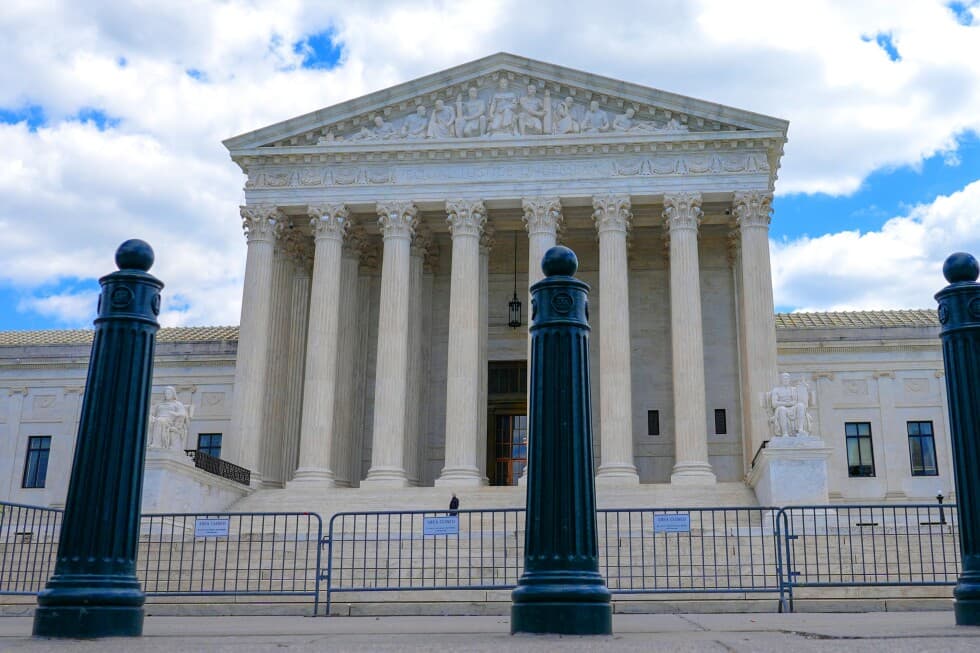
The U.S. Supreme Court ruled on May 14, 2026 that a state-law negligent-hiring claim against a freight broker is not automatically barred by federal transportation law, reviving a lawsuit against C.H. Robinson.
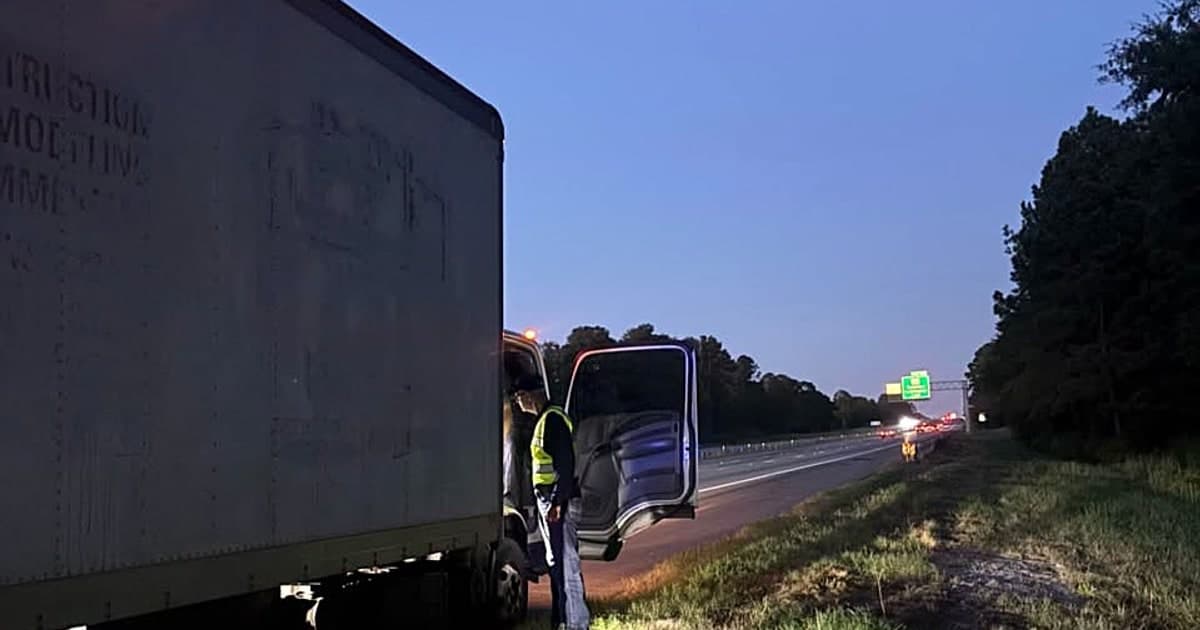
The case, Montgomery v. Caribe Transport II, stems from a 2017 Illinois crash in which Shawn Montgomery's parked vehicle was struck by a truck. Montgomery argues C.H. Robinson should share liability because it hired the motor carrier despite alleged safety red flags.
Safety exception carries the case
The broker argued the Federal Aviation Administration Authorization Act preempted the state claim because it related to broker services. The Court disagreed, holding that state safety authority "with respect to motor vehicles" can cover negligent-selection claims tied to the choice of a motor carrier.
The ruling does not decide whether C.H. Robinson is liable. It sends the case back for further proceedings and makes clear that plaintiffs can try to pursue broker-selection claims under state law when motor-vehicle safety is at issue.
Broker vetting gets more consequential
For fleets, brokers, and shippers, the decision raises the stakes around carrier qualification. Justice Brett Kavanaugh warned in a concurrence that broker insurance and compliance costs could rise, while also noting the ruling should not mean brokers are routinely liable after every truck crash.
The operational takeaway is narrower and more practical: carrier-selection files, safety-score checks, insurance review, and exception handling are likely to matter more in litigation. The brokers with disciplined vetting processes will have a stronger story to tell when a load goes wrong.