Toyota and Hyroad Put Hydrogen Class 8 Trucks Into Fleet Service
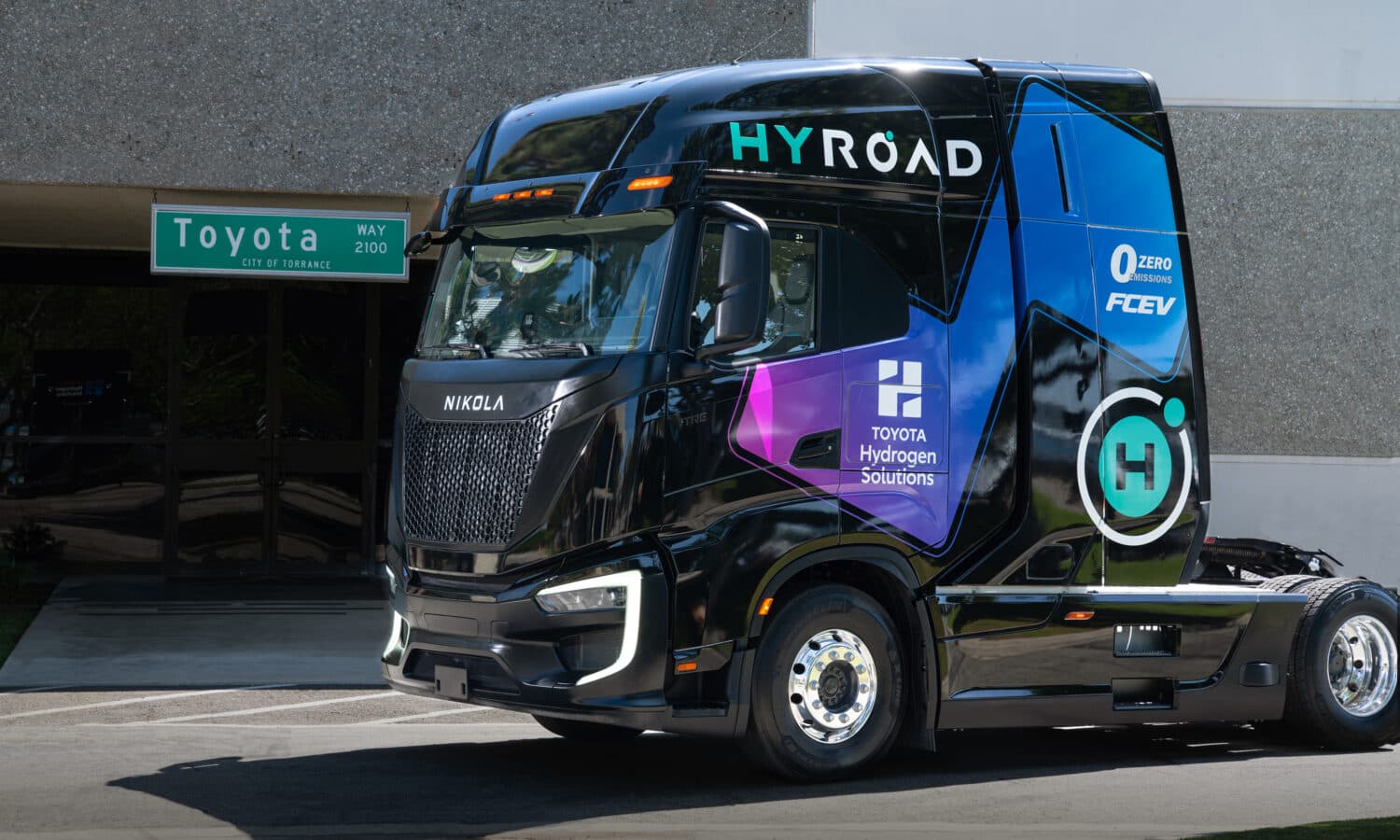
Toyota and Hyroad are putting 40 hydrogen fuel cell Class 8 trucks into Southern California fleet service, giving heavy-duty operators another real-world test of zero-emission freight.
Hydrogen Trucks Move From Demo to Fleet Work
Toyota and Hyroad are moving hydrogen fuel cell Class 8 trucks into commercial fleet service, giving the alternative-fuel market another real-world test outside the passenger-car lane.
The collaboration announced May 4, 2026, pairs Toyota Motor North America's fuel cell work with Hyroad Energy's hydrogen-powered transportation model. Toyota says the definitive agreement covers 40 Class 8 commercial trucks for deployment in Southern California, a market where port, drayage, and regional-haul fleets face heavy pressure to cut emissions without giving up payload or uptime.
Why Toyota Is Still Working on Hydrogen
Battery-electric trucks are getting most of the attention, but hydrogen remains attractive for heavier duty cycles where range, fueling time, and high daily utilization matter. Toyota has spent years testing fuel cell systems in heavy-duty freight applications, and the Hyroad deployment gives the company another route into regular commercial service.
For fleet operators, the technology question is practical: whether hydrogen can be fueled reliably, priced competitively, and serviced consistently enough to justify equipment commitments. A truck that refuels quickly is useful only if the fueling network and maintenance plan can keep up with the route.
The Infrastructure Piece Is the Hard Part
The Hyroad tie-up lands as Toyota is also talking more broadly about hydrogen infrastructure, including fuel supply and support for commercial customers. That matters because Class 8 adoption will not be decided by the truck alone.
Fleet managers evaluating zero-emission equipment are increasingly comparing the whole operating system: vehicle cost, range, dwell time, charger or fueling access, maintenance support, incentives, and residual-value risk. Toyota's bet is that hydrogen can earn a place in that mix for routes where battery weight, charging time, or power availability create friction.