AI Summit Puts Shop Data Ahead of Fleet Hype
TMC panelists said fleets should tie AI projects to clean data, measurable returns and specific maintenance problems such as repair prioritization, invoice checks and parts control.
Start With the Business Problem
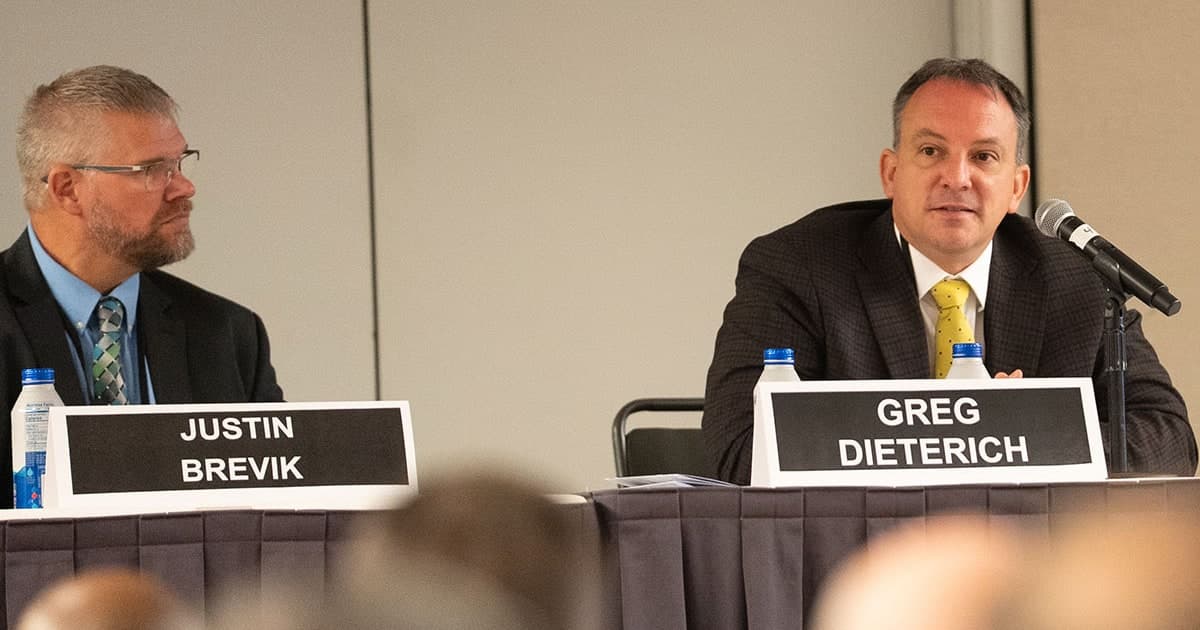
Fleet technology speakers at TMC's AI Summit told operators to start with data quality and practical business problems before buying into artificial-intelligence claims. The Sept. 22 panels, hosted by American Trucking Associations' Technology & Maintenance Council, kept the focus on fleet work: maintenance scheduling, invoice review, document handling, safety risk and uptime.
One panelist cited a first-quarter carrier survey showing roughly 75% of fleets lacked a formal AI approach or clear position, even as more than half were already using the technology in some form. The warning was simple: a model can still be wrong with confidence, so trust, governance and workflow fit matter as much as the tool.
Maintenance Is the Near-Term Test
The most concrete use cases were in the shop. Panelists described systems that can analyze fault codes, repair history, invoices and parts data overnight, then help shop managers prioritize work by fleet risk instead of by the loudest request. Other examples included matching jobs to technician skills, creating work orders, staging parts and turning spoken technician notes into structured repair records.
Invoice automation was another practical lane. A repair-invoice import tool can scan outside repair invoices in about 15 seconds and reach about 92% accuracy, according to one panelist, leaving staff to review exceptions rather than key in every part and labor line.
Data Quality Sets the Ceiling
The panels kept returning to the same operating constraint: incomplete records limit what AI can do. Fleets still relying on paper, unstructured shop notes, phone calls and disconnected systems may need to clean up their architecture before advanced tools can produce reliable results.
That makes AI less of a software shopping exercise and more of an operations discipline. Fleet leaders should pick a few high-value problems, require measurable returns, protect sensitive data and ask vendors to prove their claims against the fleet's actual workflow. The useful question is not whether a system is labeled AI. It is whether it improves uptime, compliance, cost control or technician productivity in a way the fleet can verify.