Fleet Data Is Growing. The Work Is Turning It Into Decisions
A new Automotive Fleet commentary argues that managers have more data than ever, but increasingly capable analytics and AI tools can help turn it into maintenance, safety, utilization and lifecycle decisions. The real operating question is whether teams have the controls to act on the signal.

Fleet managers have more vehicle, driver, fuel, maintenance and cost data than they can reasonably review by hand. A new commentary from Automotive Fleet argues that the change is no longer simply collecting that information. It is making it usable in time to make a decision.
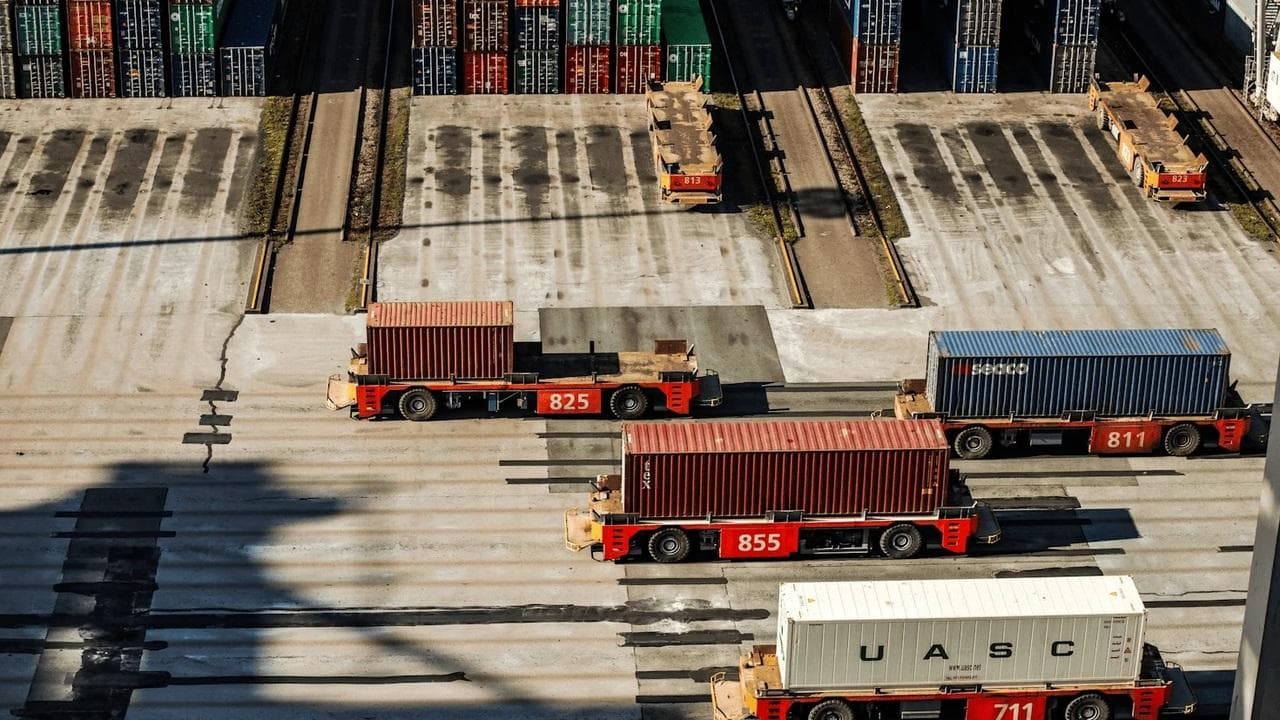
The publication describes the familiar problem as a growing "firehose" of information from telematics, fleet systems and other connected tools. Earlier versions of that problem often became data paralysis: reports existed, but the people responsible for fleet operations did not have enough time or analytical support to turn them into action.
The useful questions are specific
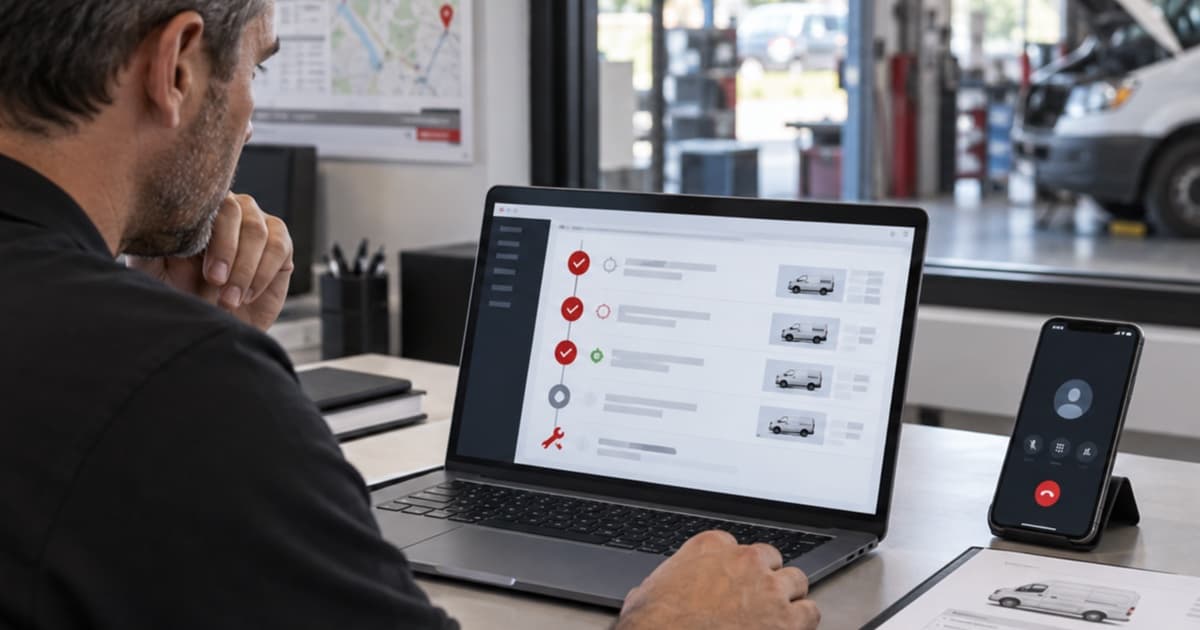
Automotive Fleet points to the kind of questions a better-connected fleet system should help answer: when a cargo van with more than 75,000 miles should be sold, whether lower safety scores correlate with higher maintenance costs, and where utilization or downtime is moving in the wrong direction.
Those are not dashboard questions for their own sake. They connect data to concrete choices about replacement timing, service work, driver coaching and budget priorities. The article also argues that generative AI, agentic AI and more sophisticated analytics could reduce the need for a fleet manager to be a data specialist before asking a useful question.
Automation needs operating controls
That opportunity comes with a practical boundary. A recommendation is different from an automated workflow, and neither should quietly replace accountability for safety, maintenance approvals or vehicle disposal decisions. Before adding automation, teams need clear data owners, a defined review path for exceptions and a way to check whether the proposed action made operations better.
The story is not that fleet teams need every new tool. It is that the best use of more data is narrower: identify a real decision, define the trusted inputs, assign who acts on the result and measure whether the action changed cost, uptime, safety or utilization.
What fleet teams can do now
A sensible starting point is to choose one recurring decision that still requires assembling several reports. Build a consistent view of the inputs, set an exception threshold, and keep a human review step for the action. That is a more durable use of analytics than adding another report to an already crowded weekly packet.