OpenAI Feature Shows Proaction Moving Fleet Work to Agents
OpenAI's new Proaction case study details how the fleet platform uses Codex and voice agents to build tailored workflows, inspect vehicle damage and coordinate maintenance work.
OpenAI Profiles Proaction's Fleet AI Work
OpenAI has published a customer story detailing how Proaction uses Codex and its models across sales, product development and fleet operations. The feature, published Sept. 25, moves beyond a general AI partnership and describes specific workflows for vehicles, maintenance and customer delivery.
Proaction builds software for organizations managing cars, trucks, trailers and construction equipment. According to the OpenAI case study, the company uses customer conversations, emails and spreadsheets to create tailored interactive demos that mirror a prospect's fleet and operating process.
Faster Demos Feed Clearer Product Requirements
Proaction co-founder Colin Knudsen builds four to six customized demos per month, with each taking roughly 30 to 45 minutes. OpenAI reports that comparable work would otherwise consume an estimated 40 to 60 engineering hours per month.
The case study says those demos have increased the share of deals moving from an initial conversation into solution development by 50% to 60%. When a prospect becomes a customer, the same interactive demo gives engineers a visual reference for what to build, reducing follow-up questions and translation between sales and product teams.
Marty Coordinates Maintenance Work
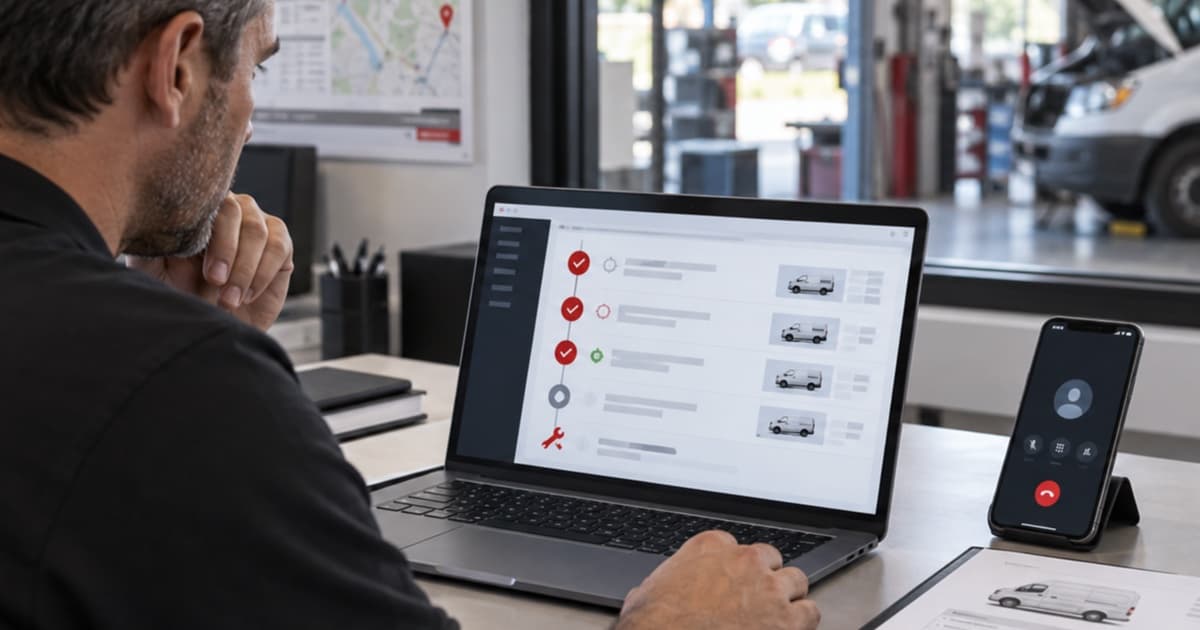
The more consequential fleet feature is Proaction's Managed Execution Layer. OpenAI says Proaction uses its models to review vehicle-damage photos and is building specialized voice agents that can make calls, analyze documents and images, interpret text and respond in chat.
One maintenance agent, called Marty, is designed to speak with a driver about a vehicle problem, call repair shops, arrange service and help move an estimate through approval and payment. Proaction staff step in when a task needs human review or intervention.
That design points to a practical dividing line for fleet AI. The value is not simply answering questions about maintenance records; it is carrying a repair workflow forward while preserving a human escalation path for exceptions, judgment calls and approvals.