AI-Powered Fleet Intelligence Transforms Truck Operations and Uptime
Major truck manufacturers are integrating artificial intelligence into telematics platforms, turning vehicle data into predictive insights that boost uptime and operational efficiency.
From Tracking to Intelligence: The AI Revolution in Fleet Telematics
The fleet industry is witnessing a fundamental shift as traditional telematics evolve into comprehensive intelligence platforms powered by artificial intelligence. What began as simple vehicle tracking has transformed into sophisticated systems capable of predicting maintenance needs, optimizing specifications, and delivering actionable insights in real-time.
Mack executives highlight how AI is enabling fleets to convert massive volumes of vehicle data into faster, smarter decision-making processes. This evolution represents more than incremental improvement—it's a complete reimagining of how fleet managers approach operations, moving from reactive maintenance to predictive strategies that maximize uptime and minimize costs.
The transformation is particularly evident in how modern platforms handle data processing. Where traditional telematics required fleet managers to sift through reports and dashboards manually, AI-powered systems now surface critical insights automatically, alerting operators to potential issues before they become costly breakdowns.
Software-Defined Trucks Reshape Performance Metrics
The concept of software-defined vehicles is gaining traction across the commercial trucking sector, with digital intelligence becoming as important as mechanical engineering in determining fleet performance. This shift represents a fundamental change in how trucks are designed, operated, and maintained throughout their lifecycle.
Modern commercial vehicles are increasingly built around digital architectures that can be updated, customized, and optimized through software rather than hardware modifications. This approach allows fleet operators to adapt vehicle behavior to specific operational requirements, route conditions, and efficiency targets without physical alterations.
The implications extend beyond individual vehicle performance to fleet-wide optimization. Software-defined trucks can share learnings across entire fleets, with AI algorithms identifying patterns and best practices that improve performance across all vehicles in the network. This collective intelligence approach is proving particularly valuable for large fleets operating diverse routes and carrying varied cargo types.
OEM Platforms Focus on Configurable Intelligence
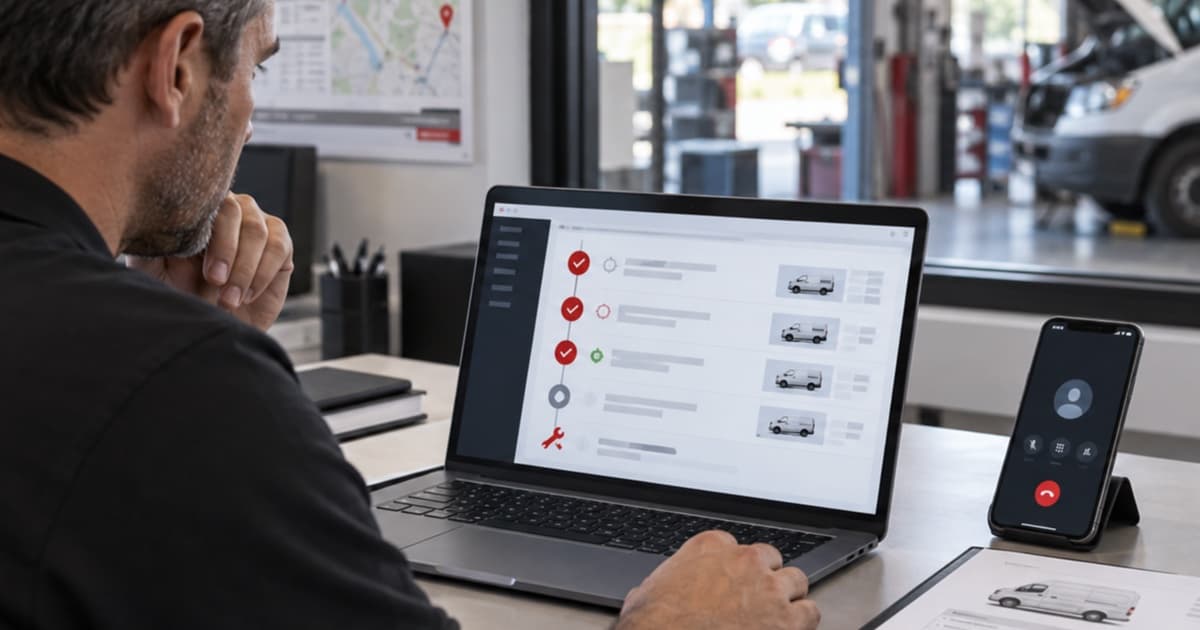
Major manufacturers are developing increasingly sophisticated fleet intelligence platforms that prioritize customization and uptime optimization. Ford Pro Intelligence exemplifies this trend with its focus on configurable fleet dashboards that allow operators to tailor data visualization to their specific operational needs.
The emphasis on configurability reflects the industry's recognition that different fleet operations require different insights and metrics. A long-haul trucking company prioritizes different data points than an urban delivery fleet, and modern platforms are designed to accommodate these varying requirements through customizable interfaces and reporting structures.
Uptime optimization has become a central focus for these platforms, with predictive maintenance capabilities that can identify potential issues days or weeks before they would typically manifest. This proactive approach allows fleet managers to schedule maintenance during planned downtime rather than dealing with unexpected breakdowns that disrupt operations and increase costs.
The competitive landscape includes established telematics providers like Samsara and Geotab, which are enhancing their platforms with advanced AI capabilities, while fleet management platforms such as Fleetio and Proaction are integrating with these telematics systems to provide comprehensive operational oversight. Platform Science and Omnitracs are also advancing their offerings to remain competitive in this rapidly evolving market.
Industry Impact and Future Implications
The shift toward AI-powered fleet intelligence represents more than a technological upgrade—it's reshaping fundamental business models and operational strategies across the commercial vehicle industry. Fleet managers are increasingly viewing data as a strategic asset that can drive competitive advantages through improved efficiency, reduced costs, and enhanced service reliability.
The integration of AI into fleet operations is also creating new skill requirements and organizational structures within fleet management companies. Traditional maintenance schedules are giving way to dynamic, data-driven approaches that require different expertise and decision-making processes.
Looking ahead, the convergence of telematics data, AI analytics, and software-defined vehicle architectures suggests that fleet intelligence will become even more sophisticated. Future systems are likely to incorporate external data sources such as weather patterns, traffic conditions, and supply chain information to provide holistic optimization recommendations.
The competitive implications are significant, as fleets that effectively leverage these advanced intelligence platforms may gain substantial operational advantages over those relying on traditional approaches. Early adopters are already reporting measurable improvements in uptime, fuel efficiency, and maintenance cost reduction, suggesting that AI-powered fleet intelligence will become a competitive necessity rather than a luxury feature.
As these technologies continue to mature, the fleet industry can expect further integration between vehicle systems, operational platforms, and broader business intelligence tools, creating comprehensive ecosystems that optimize every aspect of commercial vehicle operations.