Atlas Targets 100 Driverless Sand Trucks by 2027
Atlas Energy Solutions is expanding its Kodiak Robotics driverless truck program in the Permian Basin, with a second load-out point and a target of 100 autonomous sand-hauling trucks by mid-2027.
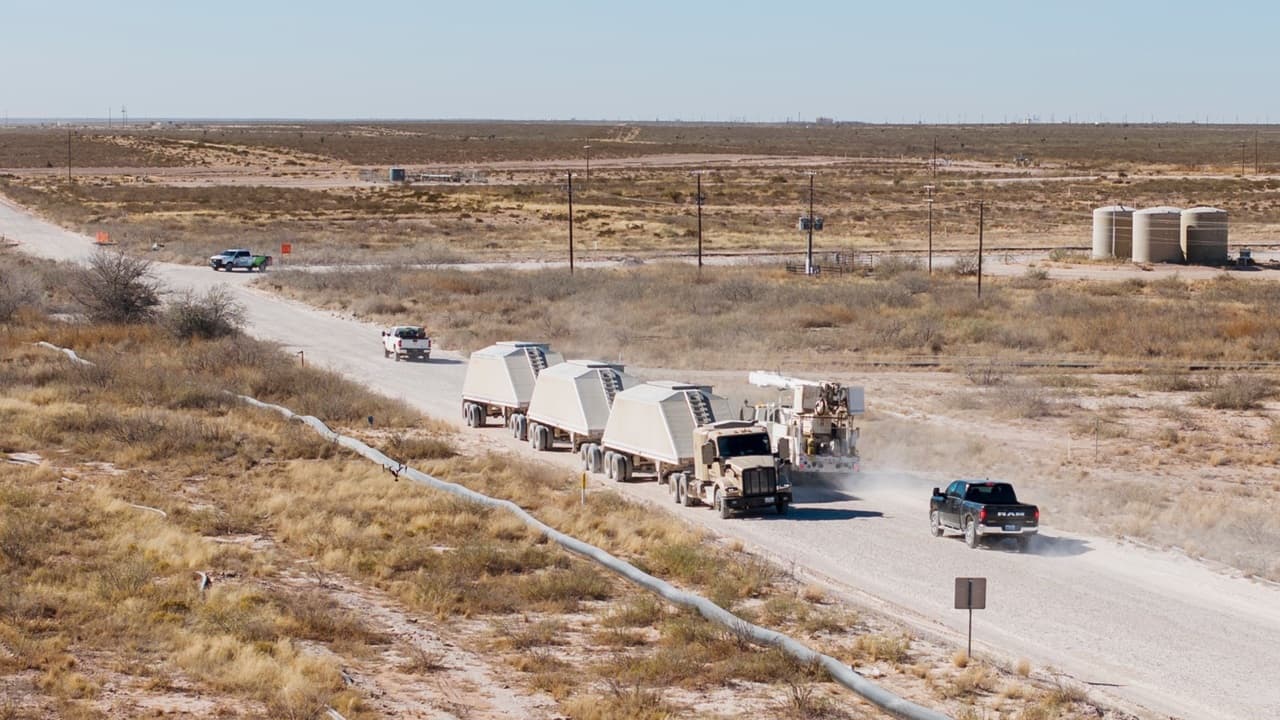
Atlas Adds a Second Permian Load-Out Point
Atlas Energy Solutions is expanding its driverless truck program with Kodiak Robotics, adding a second Permian Basin load-out point for frac sand hauling and setting a target of 100 autonomous trucks by mid-2027.
The program has 28 driverless trucks in operation today. Moving beyond a single load-out location gives Atlas a broader operating footprint for repetitive sand-hauling routes between production sites and well pads, the kind of fixed-route work autonomy developers have been trying to commercialize before wider open-highway deployment.
Why This Fleet Use Case Matters
Frac sand hauling is not the same as parcel delivery or long-haul freight. It is high-mileage, route-dense, and tied to predictable industrial demand. That makes it a practical test bed for autonomy in vocational fleet work, where uptime, dispatch discipline, maintenance planning, and duty-cycle economics matter as much as the self-driving system itself.
For Atlas, scaling from 28 to 100 trucks would more than triple the autonomous fleet in roughly a year. The company has not disclosed the full size of its conventional hauling fleet, the capital cost of the expansion, or how driver staffing changes as more autonomous units enter service.
What Other Fleets Should Watch
Fleet operators in mining, aggregates, construction materials, utilities, and other fixed-route industrial sectors will likely watch the Permian program for evidence on reliability and operating cost. The broader question is whether autonomy can move from controlled pilots into repeatable fleet operations without creating new maintenance, inspection, or recovery burdens for the teams running the equipment.