ATRI Wants Your Telematics Data -- and the Carrier Count Is Climbing Again
ATRI is asking carriers how they actually use telematics for safety and maintenance -- and fresh FMCSA numbers showing the carrier population back in growth give the study an unexpectedly upbeat backdrop.
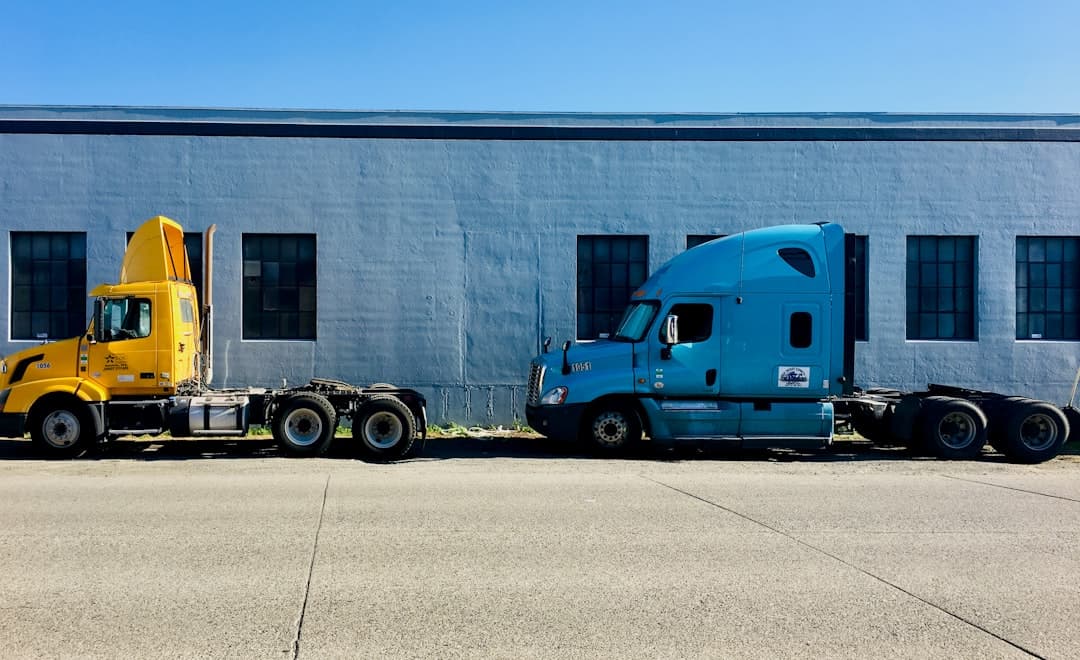
ATRI Wants to Hear From Carriers on Telematics
The American Transportation Research Institute (ATRI) has launched a new research initiative focused on how telematics technology can improve fleet safety and maintenance operations. The organization is actively seeking carrier participation, asking fleets to share how they're currently using telematics platforms and where opportunities exist for better implementation across the industry.
ATRI plans to use the collected data to develop industry-wide best practices and deployment recommendations. If you're operating a fleet with telematics installed, this is a concrete opportunity to shape the guidance that will influence how other operators adopt similar systems. Participation details are available through ATRI directly.
Carrier Population Is Growing Again
The study launches against a backdrop of early industry stabilization. New quarterly data from the Federal Motor Carrier Safety Administration (FMCSA) shows the trucking carrier population has shifted back into growth after a stretch of contraction -- a signal that new entrants are offsetting the closures that have dominated recent headlines.
That optimism carries a caveat. Separate research from Ritchie Bros. indicates carrier sentiment remains subdued, weighed down by weak freight rates and economic uncertainty. Growth in carrier numbers doesn't necessarily mean the operators already in the market are thriving -- it means the industry remains accessible to new entrants even as veterans grind through a difficult rate environment. Both data points matter.
Technology and Labor Are Trending in Different Directions
The American Trucking Associations has launched a driver compensation study to better understand wage trends across the industry. The timing is notable: separate data shows trucking job postings declined and wage growth slowed in 2025, pointing to a labor market in transition rather than expansion. Industry observers continue to describe the driver shortage as a quality problem more than a quantity problem -- experienced, reliable drivers remain hard to find even as application volumes hold steady.
On the technology side, some LTL carriers are now deploying AI-based software to automate shipment pricing. Meanwhile, House members have established a bipartisan Congressional Trucking Caucus, signaling that the industry's regulatory and economic challenges are drawing more formal attention at the federal level than they have in recent years.