California EV Truck Pricing Bill Heads to Newsom
SB 1213 would require truck manufacturers to disclose pricing data before participating in California zero-emission incentive programs, giving fleets and agencies a clearer view of electric-truck costs.
Price Transparency Moves To The Governor
A California bill meant to make battery-electric truck pricing more transparent is headed to Gov. Gavin Newsom after passing both houses of the State Legislature.
SB 1213, introduced by Sen. Eloise Gomez Reyes, would require truck manufacturers to provide vehicle pricing information to the state as a condition of participating in zero-emission incentive programs, including the Hybrid and Zero-Emission Truck and Bus Voucher Incentive Project, or HVIP.
Why Fleets Care
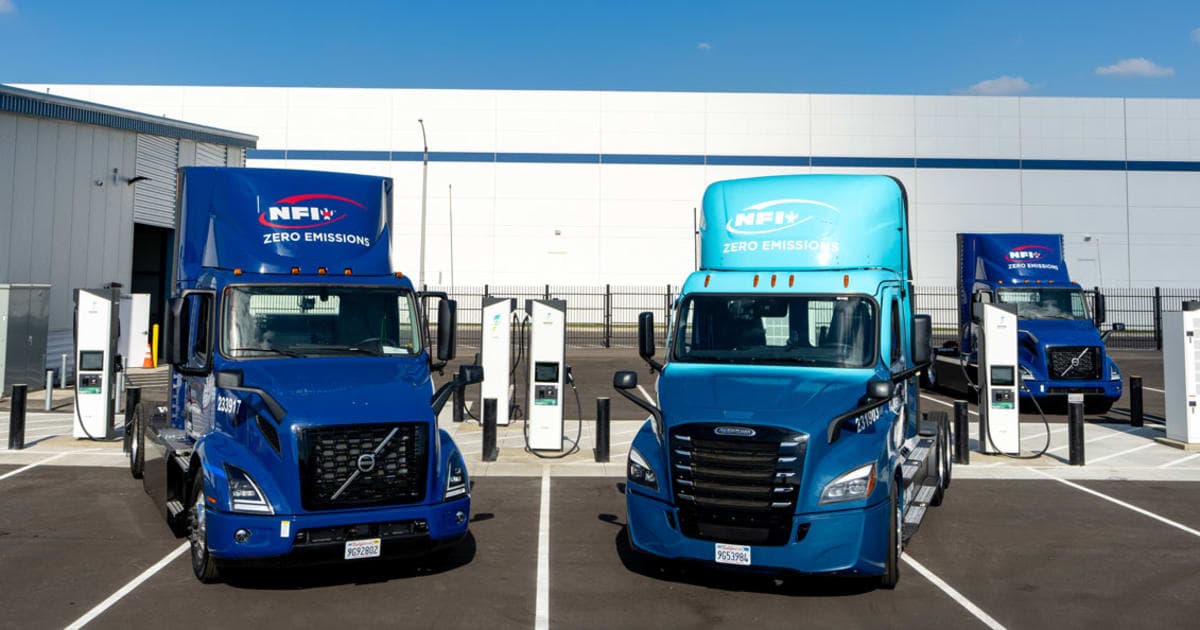
For fleets considering medium- and heavy-duty electric trucks, the practical question is simple: what does the truck really cost before and after public incentives?
Heavy Duty Trucking reported that supporters want state agencies to better understand whether incentive dollars are reducing buyer costs at the point of sale or being absorbed into vehicle pricing. That matters as California tries to stretch incentive funding across more zero-emission truck purchases.
Class 8 Costs Are Still Moving The Wrong Way
The bill lands while larger battery-electric commercial vehicles remain expensive relative to diesel equipment. Heavy Duty Trucking cited International Council on Clean Transportation research finding that U.S. prices for smaller battery-electric commercial vehicles have generally declined, while prices for Class 6 and heavier battery-electric trucks have increased more often than they have fallen.
The same analysis found that the median U.S. price of a battery-electric Class 8 tractor increased 27% between model year 2020 and the period covered by the study, including a 40% increase between 2020 and 2021.
Procurement Implications
If signed, SB 1213 would not immediately make electric trucks cheaper. It would, however, give fleets, financing partners and public agencies a clearer benchmark for comparing equipment prices, incentive values and total-cost assumptions before committing to replacement plans.