Crash Tech Raises Repair Bills, Avoids Bigger Losses
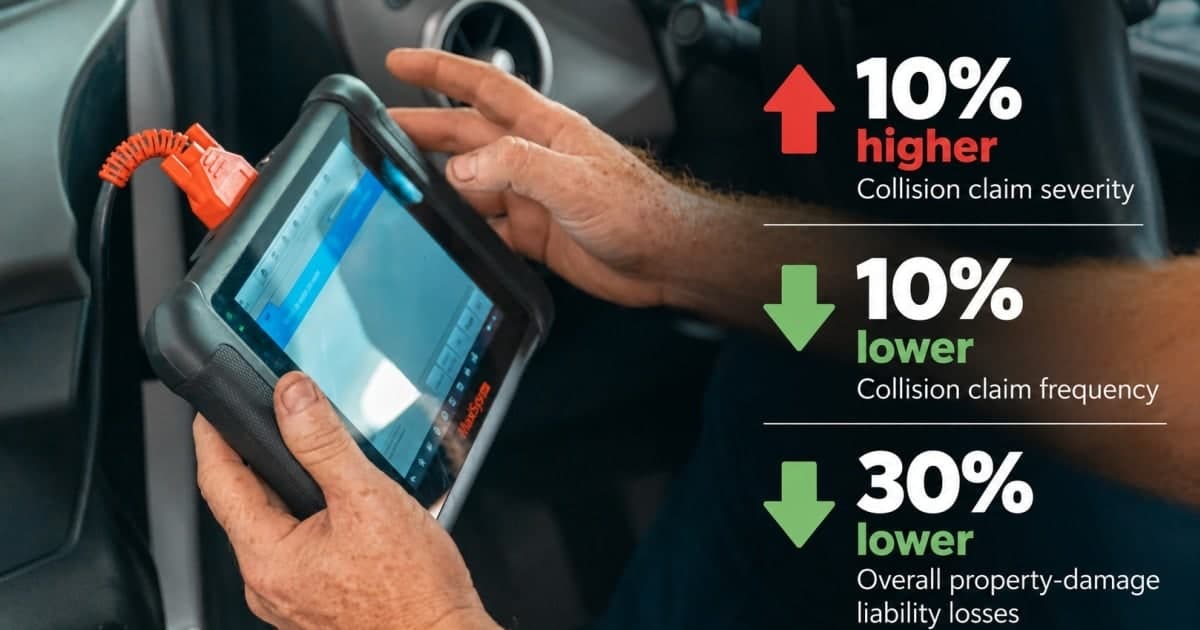
IIHS says crash-avoidance sensors can make individual repairs more expensive, but the larger fleet math also has to count crashes, claims, downtime, and injuries that never happen.
Repair Costs Are Up
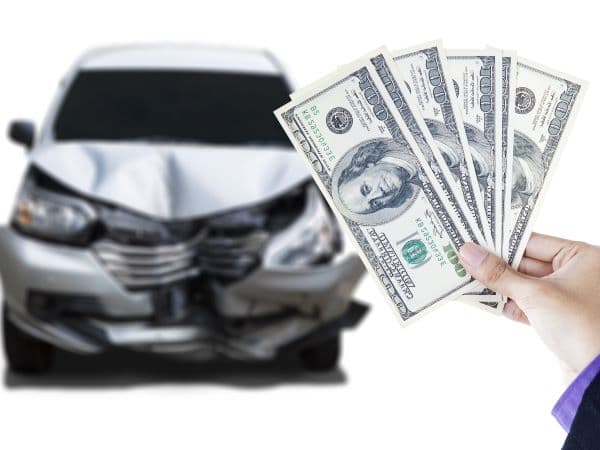
Crash-avoidance technology is back in the repair-cost debate, after IIHS-HLDI highlighted why advanced sensors can both raise individual repair bills and reduce overall crash exposure.
The Institute noted that the U.S. Bureau of Labor Statistics' average vehicle repair price has risen more than 40% since 2020. Sensors for automatic emergency braking, blind-spot detection, and related systems often get blamed when a bumper, windshield, grille, mirror, or calibration job costs more than it used to.
The Missing Line Item Is Avoided Crashes
IIHS's point is that repair inflation does not capture the collisions that never happen. A fleet can see a higher invoice after one crash while still coming out ahead if automatic emergency braking, lane support, and blind-spot detection prevent more incidents across the vehicle population.
There are other cost drivers too. IIHS pointed to more sophisticated lighting, the shift toward SUVs and pickups, all-wheel and four-wheel-drive systems, turbocharged and hybrid powertrains, and more technology that used to be limited to luxury vehicles.
Fleet Policy Needs Both Sides
For fleet managers, the takeaway is not to ignore repair severity. ADAS calibration, parts availability, vendor capability, and cycle time all need to be built into maintenance and claims planning.
But safety technology should not be judged only by the worst invoice. A better scorecard looks at crash frequency, claim severity, downtime, driver injury risk, and preventable-loss trends together. The practical question is whether the technology lowers total risk enough to justify the added repair complexity.