Smith System Links Driver Alerts to Coaching Loops
Smith System's Driver Risk Management program ties telematics, violations, and behind-the-wheel observations to targeted coaching and follow-up analytics.
A Closed Loop for Driver Risk
Smith System has launched a Driver Risk Management program that connects driver training, monitoring, coaching, and analytics into one continuous safety process for commercial fleets.
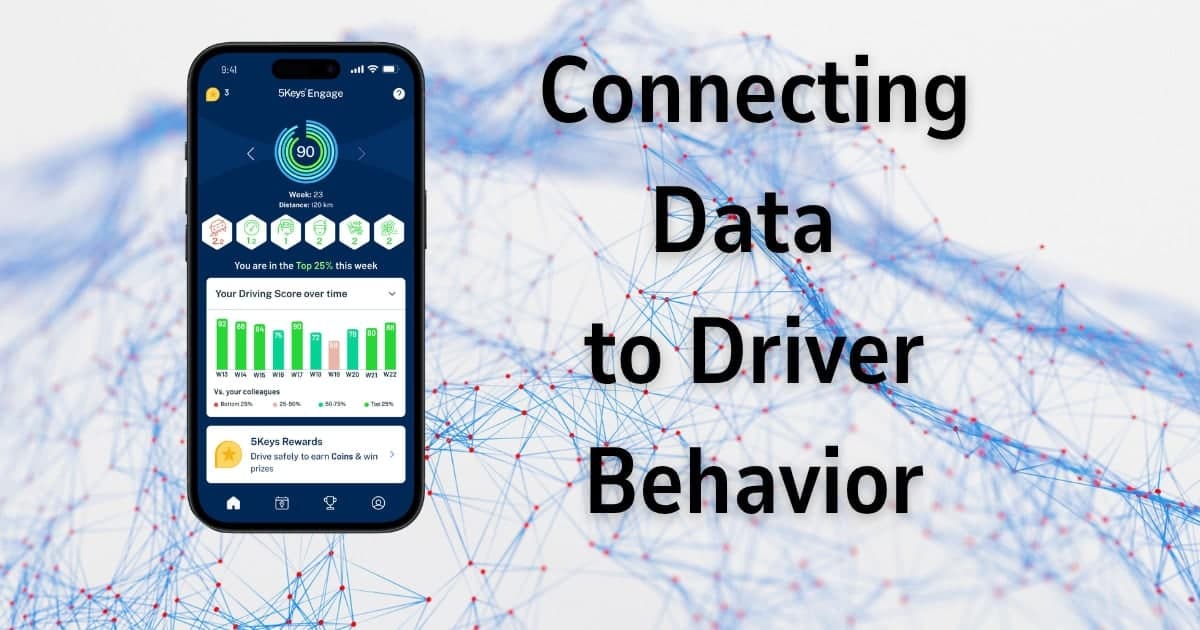
The program is built around the company's Smith5Keys methodology. It takes risk signals from sources such as telematics events, camera alerts, traffic violations, driver scorecards, and behind-the-wheel observations, then translates them into a 5Keys Score tied to specific driver behaviors.
After the Alert
The premise is simple: identifying a risky event is not the same as changing behavior. Smith System says the program starts with behind-the-wheel training to establish a baseline, then uses monitoring to trigger targeted coaching or reinforcement when a pattern appears.
After an intervention, fleet managers can track whether the targeted behavior changed instead of treating the coaching session as the end of the work. The company says the analytics can also show where additional reinforcement is needed across a location, group, or driver population.
The Fleet Safety Angle
Smith System reported that one deployment covering more than 2,000 drivers across 22 distribution centers reduced preventable accidents by 38% over two years. Because that result comes from a company-provided case study rather than an independent evaluation, fleets should treat it as a reference point, not a guaranteed outcome.
The broader takeaway is useful for mixed fleets with growing amounts of driver data. Telematics and cameras can flag speeding, harsh braking, and other events, but safety performance still depends on whether managers can turn those signals into consistent coaching, documented follow-up, and measurable behavior change.