Utah's 0.05% BAC Limit Offers a Fleet Safety Data Point
A new IIHS analysis links Utah's lower impaired-driving threshold with a nearly 9% decline in alcohol-related crashes over four years, giving fleet safety teams a concrete policy result to watch.
Utah's lower threshold shows a sustained result
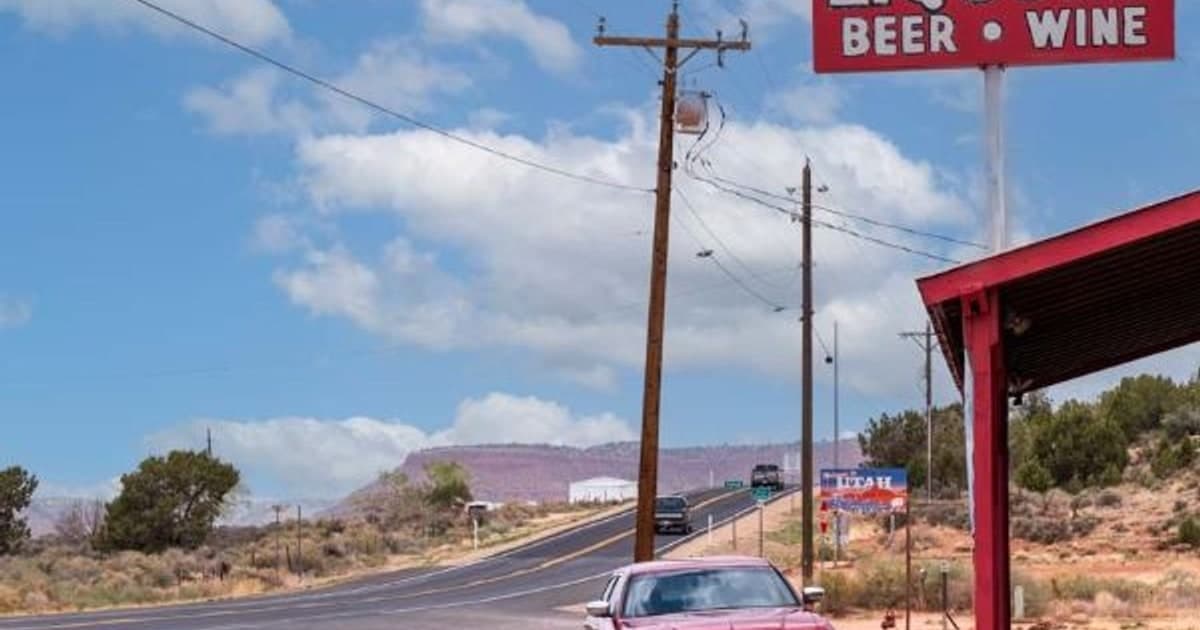
Utah's decision to lower its impaired-driving threshold to 0.05% blood alcohol concentration was associated with a nearly 9% drop in alcohol-related crashes over the following four years, according to research highlighted by the Insurance Institute for Highway Safety. Utah adopted the lower limit in December 2018, replacing the 0.08% standard used in every other state.
The finding matters because the effect held up against comparison states, where the rate of alcohol-involved crashes increased over the same period. IIHS President David Harkey said crash risk rises with alcohol consumption and increases noticeably at 0.05%.
A policy signal fleet teams can use
The study does not change federal rules or a company's own driver policy. It does give safety leaders a data-backed example when they review impairment training, after-hours vehicle use and escalation protocols after a positive alcohol test.
For mixed fleets, the practical question is not whether every driver operates in Utah. It is whether company policy makes the risk threshold clear enough before a driver gets behind the wheel. A standard built around fitness to drive, rather than only the legal limit in a particular state, can make manager coaching and employee communication more consistent.
What to watch next
Utah remains the only state with the 0.05% threshold, so there is no immediate nationwide operating change. Fleet teams should watch for further state-level debate and use the IIHS result as a prompt to check that their policies, training and incident-review process address impairment before it becomes a crash claim.