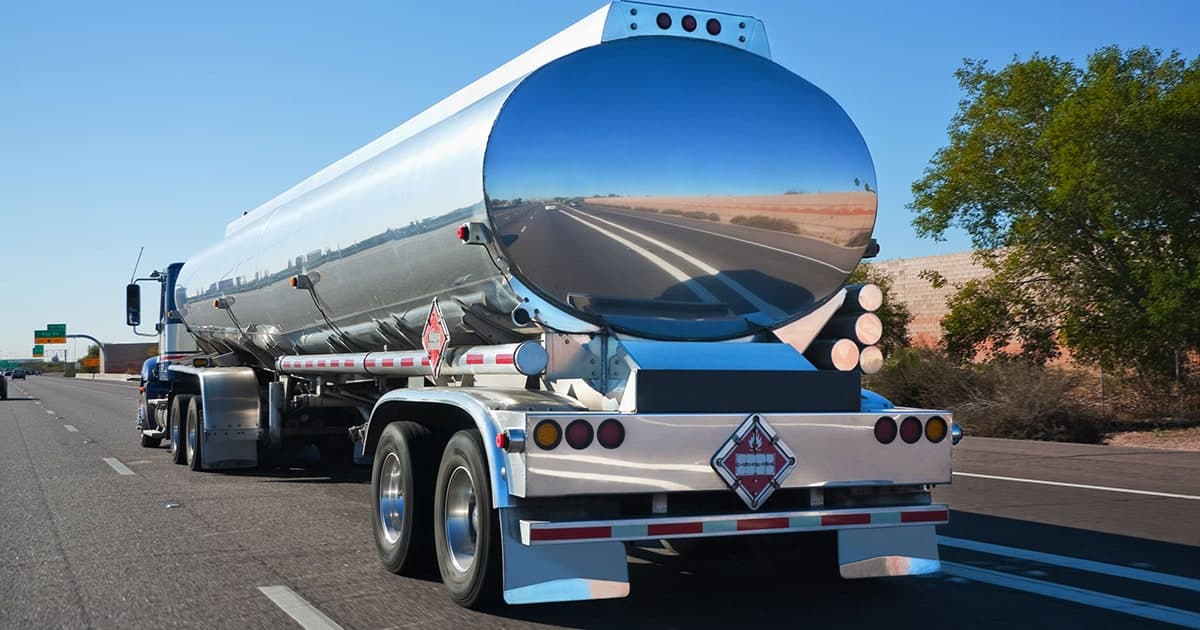
EPA Delay Keeps 2027 NOx Truck Planning Unsettled
Daimler Truck North America says it is ready for EPA's 2027 NOx rule as written, but late proposed changes are keeping engine certification, warranty, and customer planning details unsettled.
Rule timing is now the fleet issue
Daimler Truck North America is pressing the EPA to finish proposed revisions to the model-year 2027 nitrogen oxide rule, saying the delay is creating uncertainty for manufacturers and customers even as production deadlines approach.
The rule on the books would cut heavy-duty engine NOx emissions to 35 milligrams per horsepower-hour, down from 200 mg/hp-hr, beginning Jan. 1. EPA proposed changes on July 9 that would ease several compliance and warranty requirements, then held public hearings in late July and took comments through Aug. 29.
DTNA says engines are ready
DTNA told Transport Topics that its Detroit engine lineup can meet the 2027 rule as originally written. The company debuted its sixth-generation EPA 2027-compliant engines in February, opened DD13 and DD15 order books on Sept. 1, and plans January production for those engines. The DD16 follows in January 2028.
That does not remove the planning problem. Dan Potter, DTNA's director of compliance and regulatory affairs, said the company cannot certify products to rules it does not yet know and is currently working from the existing 2027 standard while waiting for EPA's final version.
Warranty and useful life are in play
The proposed revisions would reduce emissions-equipment warranty requirements to 100,000 miles or five years. They would also delay an increase in regulatory useful life to 2030 from 2027 and lower the mileage component to 435,000 miles from 650,000.
For fleets, the practical question is less political than operational: what the final rule does to truck prices, warranty choices, engine availability, and replacement timing for 2027-spec equipment. With January production nearing, procurement teams need the rulebook to stop moving.