Fleet Costs Mount as Fuel Fees, Maintenance Expenses Challenge Operators
Rising diesel prices and aging vehicle fleets are driving up operational costs, though some relief comes from fee waivers and digital efficiency tools.
Fuel Cost Pressures Prompt Industry Relief Measures
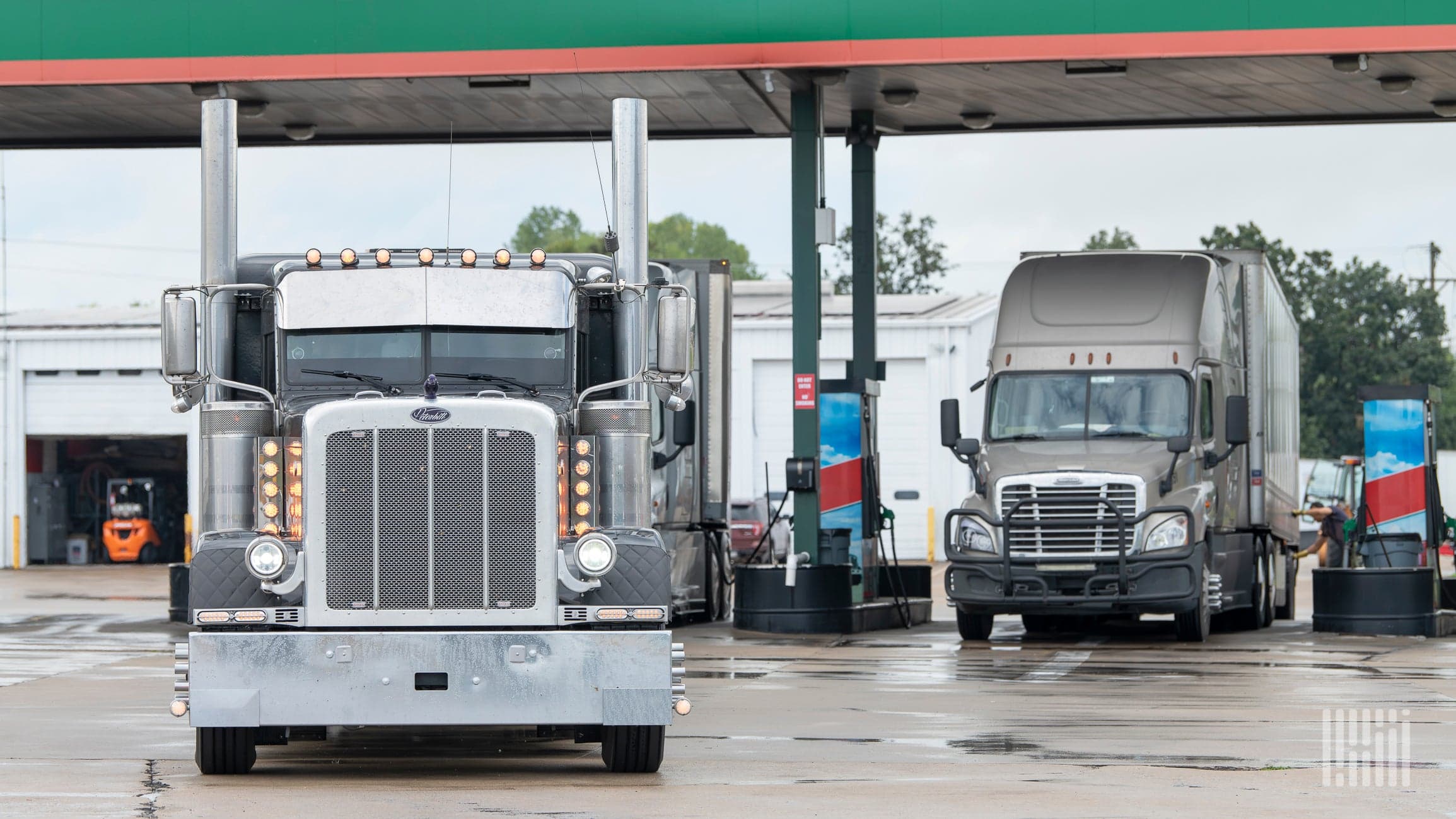
Fleet operators are facing mounting cost pressures as diesel prices surge amid ongoing Middle East conflicts, prompting major logistics providers to offer temporary relief measures. C.H. Robinson has announced it will waive fees on discount fuel cards and cash advances for contract carriers during April and May, directly responding to the spike in fuel costs that continue to squeeze carrier margins.
The move by one of North America's largest third-party logistics providers signals broader industry recognition that fuel cost volatility remains a critical challenge for fleet sustainability. With diesel prices experiencing sharp increases tied to geopolitical tensions, carriers are finding themselves caught between rising operational expenses and contract rates that may not fully account for sudden fuel spikes.
This temporary fee relief, while limited in duration, provides immediate cash flow benefits for carriers who rely on fuel card programs to manage their diesel purchases. The timing suggests C.H. Robinson expects fuel cost pressures to persist through the spring months, potentially impacting summer shipping seasons if geopolitical tensions continue.
Maintenance Costs Show Mixed Signals Despite Digital Gains
While fuel costs grab headlines, fleet maintenance expenses continue their steady climb, though recent data suggests the rate of increase may be moderating slightly. Benchmark data from Decisiv and the Technology & Maintenance Council (TMC) indicates that repair expenses are still rising across the industry, but fleets are beginning to see efficiency improvements through digital tool adoption.
The trend reflects a complex dynamic where aging vehicle fleets drive higher maintenance needs, but technology platforms are helping operators optimize service schedules and reduce downtime. Fleets investing in digital maintenance management systems are reporting better visibility into repair patterns and more effective preventive maintenance programs.
However, the underlying cost pressures remain significant. Parts availability issues that emerged during the pandemic continue to affect service costs, while labor shortages in the maintenance sector are driving up shop rates across many markets. Fleet managers are increasingly turning to data-driven approaches to balance immediate repair needs with longer-term asset replacement strategies.
Aging Fleet Assets Drive Outsized Service Spending
A comprehensive analysis by Fleetio examining 1.2 million commercial vehicles reveals that aging assets are creating disproportionate maintenance burdens for fleet operators. The benchmark report highlights how older vehicles in fleet rotations are driving outsized service spending, creating budget pressures that force difficult decisions about asset lifecycle management.
The data underscores a challenge many fleets have faced since supply chain disruptions extended vehicle replacement cycles. Equipment that might typically be rotated out after specific mileage or age thresholds has remained in service longer, leading to higher maintenance frequencies and costs. This trend is particularly pronounced in sectors where vehicle availability trumps optimal replacement timing.
Platforms like Fleetio, Proaction, and TMT are helping fleet managers quantify these maintenance cost impacts through better data collection and analysis tools. However, the report notes that most fleets remain cautious about artificial intelligence adoption in maintenance planning, suggesting room for further efficiency gains as these technologies mature.
Strategic Implications for Fleet Cost Management
The convergence of fuel cost volatility and rising maintenance expenses is forcing fleet operators to reassess their cost management strategies. The combination of external factors like geopolitical tensions affecting fuel markets and internal challenges from aging assets creates a complex operational environment that requires more sophisticated planning approaches.
Fleet managers are increasingly looking for integrated solutions that can address multiple cost centers simultaneously. This has driven interest in platforms that combine fuel management, maintenance scheduling, and operational analytics into unified systems. The temporary relief measures from providers like C.H. Robinson provide short-term breathing room, but long-term sustainability requires more comprehensive cost control strategies.
The cautious approach to AI adoption noted in recent benchmarking studies suggests many fleets are still in the early stages of leveraging advanced analytics for cost optimization. As these tools become more proven and accessible, they may offer significant opportunities for fleets to better predict and manage both fuel and maintenance expenses.
For fleet operators navigating these challenges, the key appears to be balancing immediate cost relief opportunities with longer-term investments in technology and asset management strategies that can provide more predictable operational expenses regardless of external market volatility.