Fleet Industry Tackles Fuel Costs, Tech Innovation Amid Economic Pressures
Rising fuel costs from Middle East conflicts squeeze carriers while new technology solutions and sustainability initiatives reshape fleet operations in 2026.

Fuel Price Volatility Hits Fleet Margins
Fleet operators are grappling with significant diesel price increases tied to Middle East geopolitical instability, adding pressure to an industry already dealing with weak freight rates. Mike Kucharski, vice president of refrigerated carrier JKC Trucking, warns that the fuel spikes are hitting carriers particularly hard given the challenging economic environment.
The timing couldn't be worse for fleet operators who have been struggling with compressed margins throughout the freight downturn. Diesel price volatility historically represents one of the largest variable costs for trucking operations, making fuel management strategies increasingly critical for fleet survival.
This economic pressure comes as the industry simultaneously faces operational challenges including technician shortages and aging infrastructure. Connecticut truckers are also pushing for studies on corrosive de-icers that damage vehicles, adding another layer of maintenance costs to fleet budgets.
Technology Providers Address Operational Pain Points
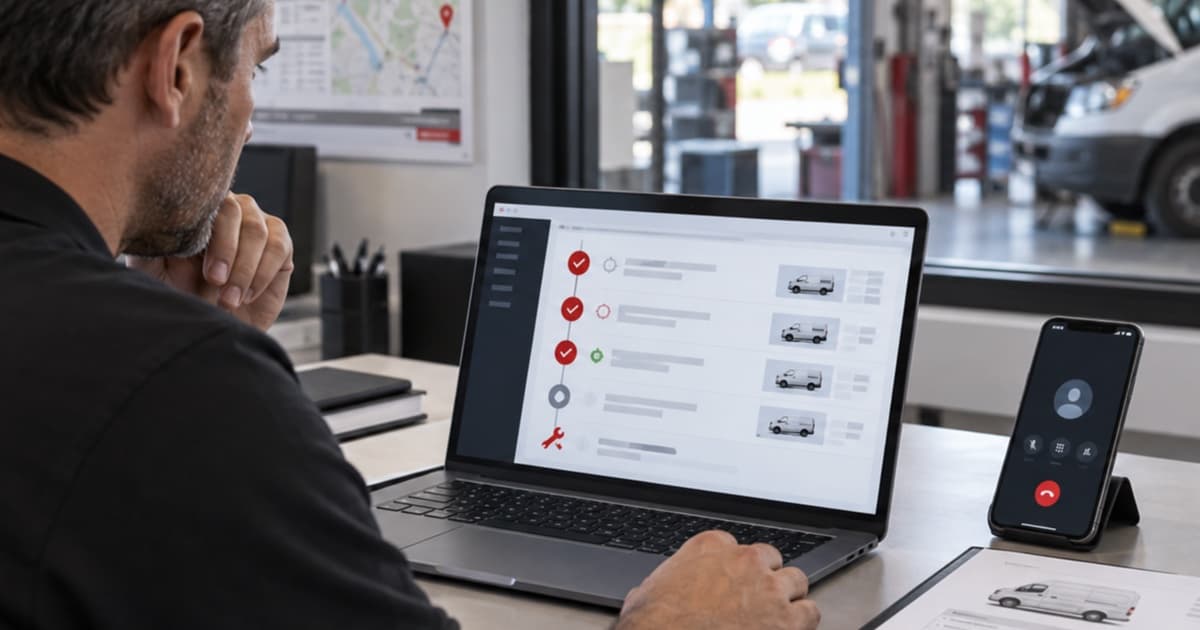
Despite economic headwinds, fleet technology providers continue rolling out solutions targeting core operational challenges. Mitchell 1 has launched new features specifically addressing technician search difficulties, while several companies are advancing cloud-based fleet management platforms.
Trimble has moved its fleet management solutions to the cloud, following industry trends toward more scalable and accessible platforms. Similarly, new transportation management systems are being developed specifically for small fleets, recognizing that not all operators need enterprise-level complexity.
Platforms like Omnitracs have updated their Roadnet Anywhere solution, while Rand McNally announced TrueTrack for fleet managers. These developments reflect the industry's push toward more integrated operational tools. Companies like Proaction and Fleetio continue expanding their unified fleet operations platforms, with many integrating directly with established telematics providers like Samsara and Geotab.
Industry Events Focus on Future Operations
The fleet management sector is actively addressing current challenges through educational initiatives and industry gatherings. Upcoming webinars on "The Future of Fleet Operations" indicate strong interest in operational transformation strategies.
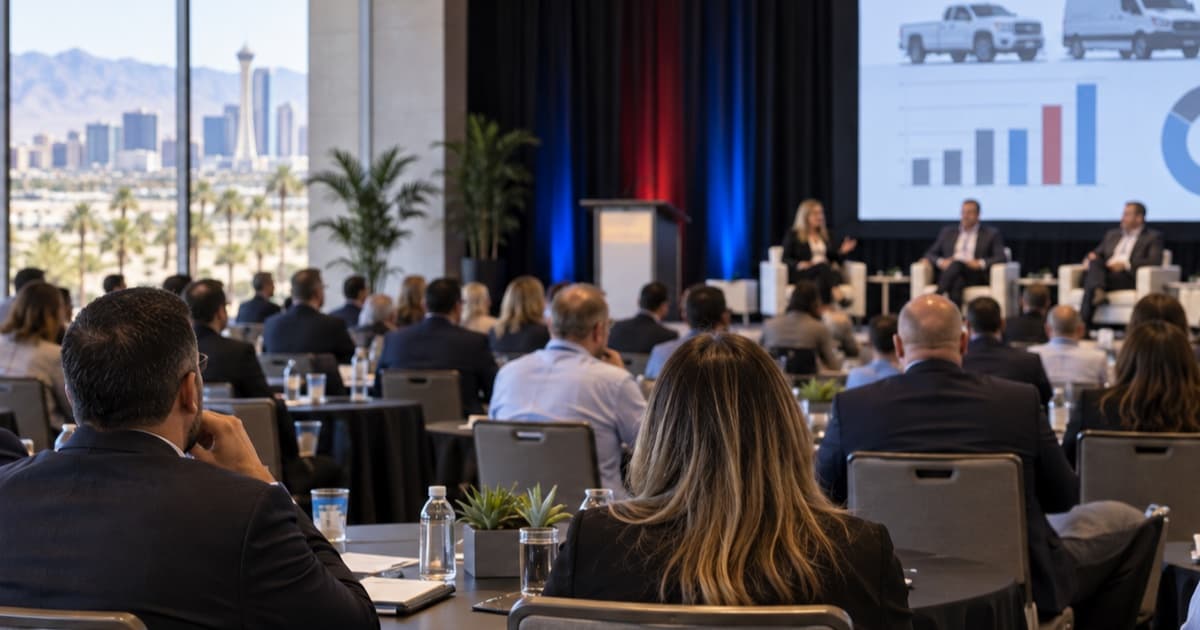
The NTEA Convention is specifically addressing "woes of the fleet manager," highlighting persistent operational challenges across the industry. Zonar has announced its inaugural Fleet Management Conference, adding another venue for industry professionals to share best practices and emerging solutions.
These events come at a critical time when fleet managers must balance immediate cost pressures with long-term technology investments. The focus on fleet manager challenges suggests the industry recognizes that operational efficiency improvements are essential for weathering current economic conditions.
Sustainability Efforts Gain Momentum Despite Economic Pressures
Even amid fuel cost concerns and operational challenges, sustainability remains a priority for forward-thinking fleets. Heavy Duty Trucking is actively searching for the top green fleets of 2026, indicating continued industry commitment to environmental initiatives.
This focus on sustainability demonstrates that leading fleet operators view environmental responsibility as both a competitive advantage and operational necessity. Companies implementing comprehensive green strategies often benefit from improved fuel efficiency, reduced maintenance costs, and enhanced customer relationships.
The emphasis on identifying top green fleets suggests that sustainability metrics are becoming increasingly standardized and measurable. Fleet managers are encouraged to document their environmental initiatives, as recognition programs help validate return on investment for green technology implementations.
The convergence of economic pressure and sustainability goals is driving innovation in areas like route optimization, vehicle specifications, and fuel management strategies. Fleets that successfully integrate environmental considerations with operational efficiency are positioning themselves for long-term success despite current market challenges.