Fleet Management Revolution: AI, Autonomous Tech Set to Transform 2026
Advanced AI integration, autonomous driving partnerships, and innovative EV battery subscriptions are reshaping fleet operations for 2026.

AI and Autonomous Technologies Drive Fleet Innovation
The fleet management industry is experiencing a technological revolution as artificial intelligence and autonomous driving capabilities prepare to fundamentally reshape operations in 2026. Industry leaders are witnessing unprecedented convergence of AI-powered fleet management systems with emerging autonomous vehicle technologies, creating new opportunities for efficiency gains and cost reductions across commercial transportation sectors.
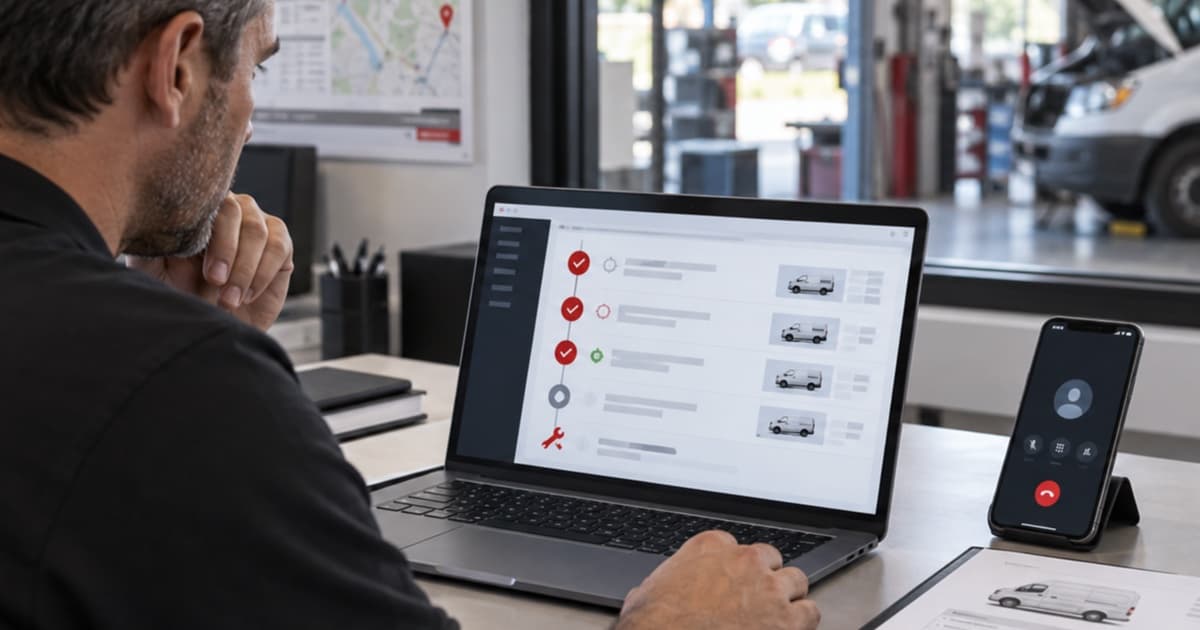
The integration of AI into fleet management systems is enabling predictive maintenance capabilities, route optimization algorithms, and real-time decision-making tools that promise to reduce operational costs by up to 30% while improving service reliability. These advances are particularly crucial as fleet operators face mounting pressure to optimize operations amid rising fuel costs, driver shortages, and increasingly complex regulatory requirements.
Strategic Partnerships Accelerate Autonomous Development
A significant milestone in autonomous vehicle development emerged with the partnership between AUMOVIO and Amazon Web Services (AWS), designed to transform autonomous driving development through advanced cloud computing capabilities. This collaboration represents a critical step toward mainstream deployment of autonomous commercial vehicles, leveraging AWS's computing infrastructure to process the massive data requirements necessary for safe autonomous operations.
The partnership addresses one of the industry's most significant challenges: the computational complexity of autonomous vehicle systems. By utilizing cloud-based processing power, fleet operators can access sophisticated autonomous driving capabilities without requiring substantial on-premises infrastructure investments. This approach democratizes access to autonomous technologies, enabling smaller fleet operators to compete with larger organizations in adopting next-generation transportation solutions.
Supply chain and logistics management are particularly positioned to benefit from autonomous trucking integration. The technology promises to address persistent driver shortage issues while enabling 24/7 operations that could revolutionize freight transportation efficiency. Industry analysts project that autonomous trucking could reduce logistics costs by 25-40% once fully implemented, representing billions in potential savings across the commercial transportation sector.
New EV Regulations and Battery Innovation Models
The electric vehicle segment of fleet management is undergoing rapid transformation driven by new regulatory frameworks and innovative financing models. Fleet operators are navigating an increasingly complex landscape of EV mandates, incentive programs, and infrastructure requirements that will significantly impact operational strategies throughout 2026.
A particularly innovative development is the emergence of battery subscription models for fleet operations. This approach allows fleet managers to access advanced battery technologies without the substantial upfront capital investments traditionally associated with EV adoption. The subscription model addresses key concerns about battery degradation, technology obsolescence, and maintenance complexity that have historically slowed commercial EV adoption.
Battery subscription services typically include regular performance monitoring, predictive maintenance, and guaranteed replacement schedules that provide fleet operators with predictable operating costs. This model is particularly attractive for logistics companies and delivery services that require consistent vehicle availability and performance. Early adopters report improved cash flow management and reduced total cost of ownership compared to traditional EV purchase models.
Strategic Implications for Fleet Managers
These technological advances present both opportunities and challenges for fleet managers preparing for 2026 operations. The convergence of AI, autonomous capabilities, and innovative EV solutions requires strategic planning and significant operational adjustments. Fleet managers must evaluate their current technology infrastructure, driver training programs, and maintenance capabilities to effectively integrate these emerging technologies.
The most successful fleet operators are adopting phased implementation strategies that gradually introduce AI-powered management systems while preparing for eventual autonomous vehicle integration. This approach allows organizations to build internal expertise and optimize operational procedures before full-scale autonomous deployment.
Cost management remains a critical consideration as fleet operators balance technology investments with immediate operational requirements. The subscription-based models emerging for both battery systems and AI software platforms provide more flexible financial arrangements that align technology costs with operational benefits.
Regulatory compliance is becoming increasingly complex as different jurisdictions implement varying requirements for autonomous vehicles, AI systems, and electric vehicle operations. Fleet managers must stay informed about evolving regulations while ensuring their technology choices support compliance across multiple operating territories.
The competitive landscape is shifting rapidly as early adopters of these technologies gain significant operational advantages. Fleet operators that delay technology integration risk falling behind competitors who achieve lower operating costs and improved service capabilities through AI and autonomous systems.
Training and workforce development represent additional strategic considerations as fleet operations become increasingly technology-dependent. Successful implementation requires comprehensive training programs that prepare staff for AI-assisted decision-making and autonomous vehicle oversight responsibilities.
As the industry approaches 2026, fleet managers who proactively embrace these technological advances while carefully managing implementation risks will be best positioned to capitalize on the efficiency gains and competitive advantages these innovations provide. The transformation of fleet management through AI, autonomous technologies, and innovative EV solutions represents one of the most significant shifts in commercial transportation since the adoption of GPS tracking systems.