Fleet Strategies Reshape for 2026: Tech Integration, Extended Life Cycles
Fleets are adopting smarter maintenance strategies, advanced telematics, and life extension tactics after a turbulent 2025, reshaping operations for the year ahead.
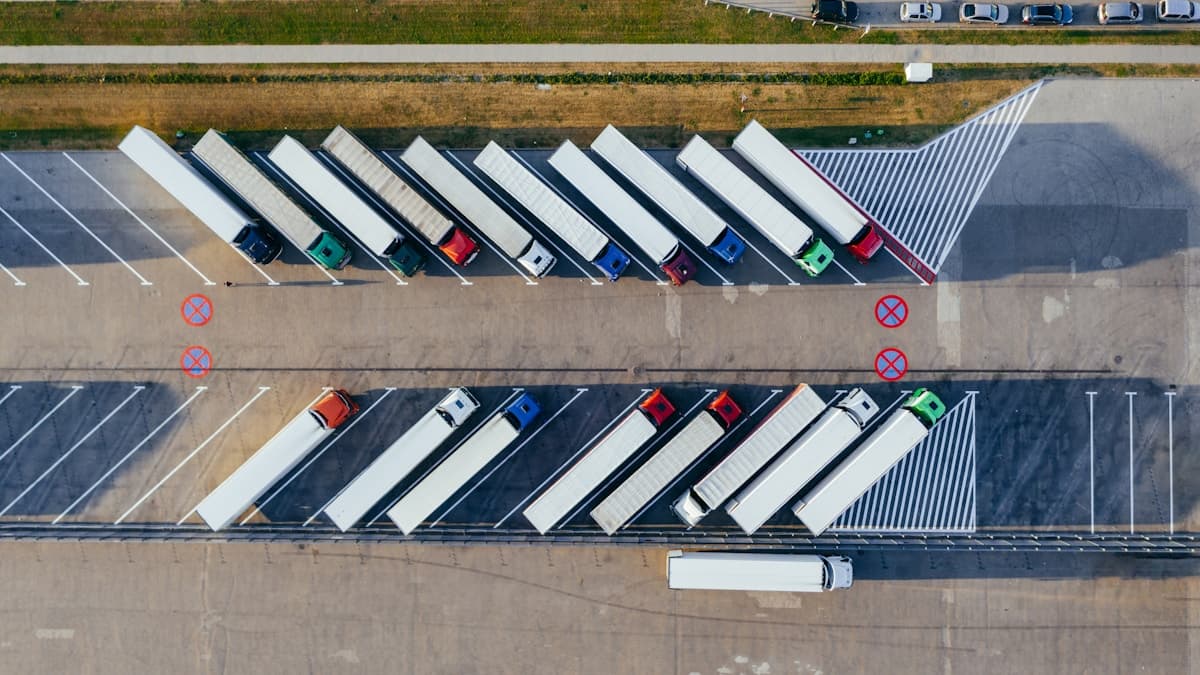
2026 Fleet Operations Reset After Turbulent Year
Fleet managers are fundamentally rethinking their operational strategies in 2026, moving beyond the disruptions of 2025 to embrace more sophisticated approaches to vehicle lifecycle management, technology integration, and cost optimization. The shift represents a maturation of fleet management practices, driven by economic pressures and technological advances that are reshaping industry standards.
The transformation is most evident in parts procurement decisions, where fleets are abandoning traditional cost-cutting measures that compromised reliability. Instead, operators are implementing strategic maintenance programs that balance upfront investment with long-term operational efficiency, recognizing that penny-wise approaches often prove pound-foolish in today's competitive environment.
Industry recognition programs are reflecting these evolving standards. CarriersEdge announced its 2026 Best Fleets to Drive For awards, while the Truckload Carriers Association revealed its 2026 Elite Fleet Certified Carriers, highlighting operators who have successfully navigated the transition to more sophisticated fleet management practices.
Technology Integration Drives Operational Excellence
The technology landscape is experiencing rapid consolidation and enhancement, with fleet management platforms integrating multiple functions to provide comprehensive operational oversight. LandCare has implemented integrated video safety and telematics across its 1,200-vehicle fleet, exemplifying the trend toward unified technology ecosystems that eliminate data silos and improve decision-making capabilities.
Telematics providers are expanding their service offerings significantly. RAC and CalAmp have expanded their Connected Telematics platform with advanced fleet management and AI video capabilities for UK fleets, while Linxup launched new Driver Safety Score and Leaderboard features to gamify safety performance. These developments reflect the industry's move toward predictive analytics and real-time performance optimization.
The mapping and routing sector is also evolving, with Trimble integrating PC*Miler Mapping into its Fleetsafe.ai platform and INRIX expanding real-time parking and loading occupancy coverage. These integrations address the growing complexity of urban deliveries and the need for dynamic route optimization based on real-time conditions.
International partnerships are strengthening technology deployment globally. Zetifi partnered with Geotab to deliver connected fleet safety solutions in Australia, demonstrating how regional expertise combines with global technology platforms to address local market needs while maintaining operational consistency across international operations.
Vehicle Life Extension Becomes Strategic Priority
Fleet operators are dramatically shifting their approach to vehicle lifecycle management, with life extension becoming a cornerstone strategy rather than an emergency measure. The focus on idle-reduction technologies exemplifies this trend, as fleets recognize that extending vehicle life requires comprehensive approaches to minimize wear and operational stress.
This strategy extends beyond traditional maintenance to encompass proactive technology deployment that monitors vehicle health in real-time. Modern Materials Handling reports that improved fleet visibility keeps downtime at bay for lift truck operations, a principle that's being applied across all vehicle categories as operators seek to maximize asset utilization while minimizing unexpected failures.
The shift reflects broader economic realities facing fleet operators. With vehicle acquisition costs remaining elevated and supply chain disruptions continuing to affect replacement cycles, extending the productive life of existing assets has become both a financial necessity and a competitive advantage for operators who can execute these strategies effectively.
Industry Consolidation and Service Expansion
The fleet industry is experiencing significant consolidation and service expansion activities that are reshaping competitive dynamics. KAG announced expansion into new territories through private fleet conversions, while Tremcar Pacific Truck Tank's acquisition signals strategic positioning for western expansion in the specialized tank transport sector.
Financial services are evolving to meet changing fleet needs, with Mack Financial Services adding physical damage insurance for fleet assets, providing integrated financing and risk management solutions that simplify fleet operations while potentially reducing overall costs through bundled services.
The electric vehicle sector continues to gain momentum, with M&S expanding its London-based electric truck fleet through Vertellus's EV Discovery Programme. This expansion reflects the growing maturity of electric commercial vehicle technology and the increasing confidence of fleet operators in deploying these solutions for specific operational requirements.
Infrastructure development remains critical, with continued focus on truck parking solutions. Fleets are being asked to participate in the third Jason's Law truck parking surveys, highlighting the ongoing challenge of adequate parking infrastructure and its impact on operational efficiency and driver satisfaction.
For fleet managers, these developments signal a fundamental shift in operational thinking. Success in 2026 requires moving beyond reactive cost management to proactive strategic planning that integrates technology, extends asset life, and optimizes total cost of ownership. The winners will be operators who can effectively balance immediate operational needs with long-term strategic positioning in an increasingly sophisticated and competitive market environment.